Best Probiotics for Autism: A Gut-Brain Axis Guide
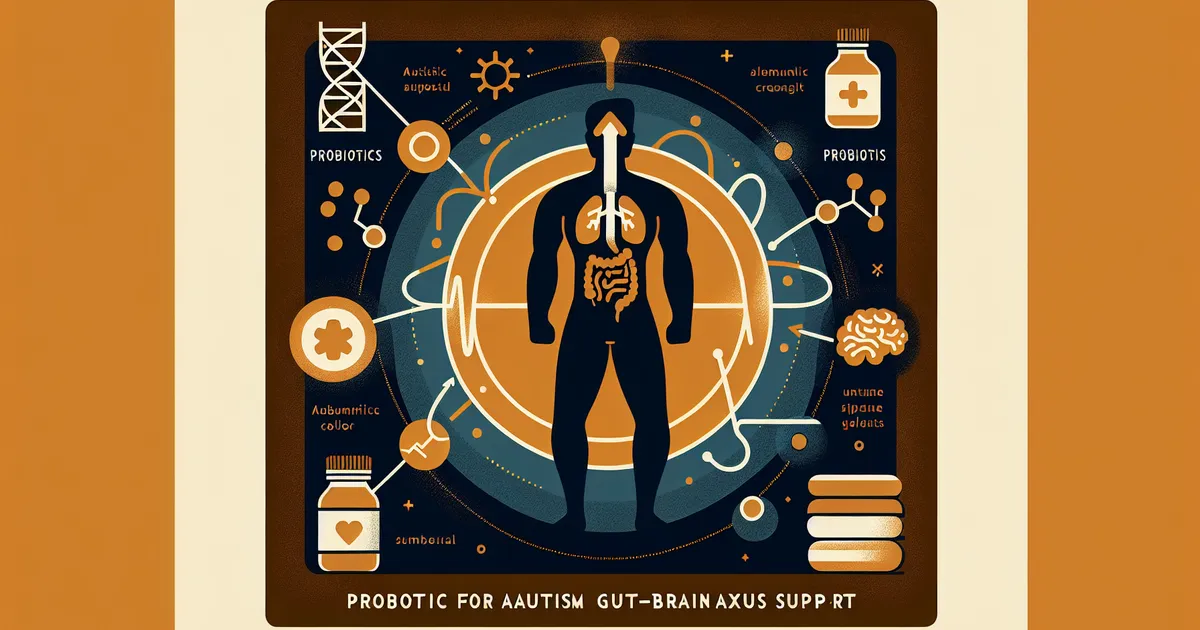
I am going to be upfront about something before we start: I am not writing this article purely as a pharmacist. I am writing it as the parent of an autistic child. For years, I have sat on both sides of the table — reading clinical papers by day and sitting in pediatric gastroenterology waiting rooms by afternoon. I have watched my child struggle with stomach pain that they could not articulate, and I have spent late nights cross-referencing probiotic strains against the limited but growing body of research on the gut-brain axis in autism spectrum disorder (ASD).
This guide exists because most of what you will find online about probiotics and autism is either oversimplified clickbait or buried deep in academic journals that no busy parent has time to decode. I want to give you a clear, honest, evidence-based breakdown of what the research actually says, what probiotics may (and may not) do for your child, which strains have real clinical data behind them, and how to choose a product that is appropriate for the unique sensory and GI needs of autistic children.
A critical note before we begin: probiotics do not treat, cure, or reverse autism. Anyone who tells you otherwise is selling something. What the research does suggest is that probiotics may support gastrointestinal comfort, and there is emerging evidence that gut health may influence certain behavioral and neurological outcomes through the gut-brain axis. That is a meaningful distinction, and I will be careful to maintain it throughout this article.
TL;DR
Research suggests that probiotics — particularly Lactobacillus and Bifidobacterium strains — may help reduce GI symptoms commonly seen in autistic children. Some studies indicate potential improvements in behavioral scores, though results are mixed and more research is needed. Start with 5–10 billion CFU for children in unflavored powder form, increase gradually, and always consult your child's pediatrician first. See our top probiotic picks →
Important: This content is for informational purposes only. Always consult your child's pediatrician before starting any supplement.
Is your child getting enough nutrition?
Many children with ASD have restrictive eating patterns. Use our free Macro Calculator to check whether their diet covers essential nutritional needs.
Try the Macro Calculator →The Gut-Brain Axis Explained for Autism Families
The gut-brain axis is a bidirectional communication network between your gastrointestinal tract and your central nervous system. It operates through the vagus nerve, the immune system, and the metabolites produced by the trillions of microorganisms living in your gut — collectively known as the gut microbiome. This is not fringe science. The gut-brain axis is one of the most active areas of research in neuroscience and gastroenterology today.
In simple terms: your gut talks to your brain, and your brain talks back to your gut. The bacteria in your intestines produce neurotransmitters like serotonin (roughly 90 percent of the body's serotonin is produced in the gut), GABA, and dopamine. They also produce short-chain fatty acids that influence inflammation, immune function, and even the integrity of the blood-brain barrier. When the gut microbiome is disrupted — a state called dysbiosis — these communication pathways may be impaired.
Why does this matter for autism? Multiple studies have found that children with ASD tend to have significantly different gut microbiome compositions compared to neurotypical children. They often show reduced diversity of beneficial bacteria, lower levels of Bifidobacterium and Lactobacillus species, and higher levels of certain potentially harmful bacteria like Clostridium species. This altered microbiome composition correlates — though does not necessarily cause — the high prevalence of GI issues seen in this population.
What Research Says About Probiotics and ASD
The research on probiotics for autism is still in its early stages, but the findings so far are genuinely interesting. Let me walk you through the key studies that have shaped our current understanding.
Sanctuary et al. (2019)
This pilot study examined the effects of a combined Lactobacillus and Bifidobacterium probiotic, given with bovine colostrum, in children with ASD and gastrointestinal symptoms. The researchers found that children receiving the probiotic combination showed reductions in certain GI symptoms, including abdominal pain and stool consistency issues. Some improvements in behavioral measures were also observed, though the sample size was small and the authors were careful to note that larger trials are needed.
Shaaban et al. (2018)
This study specifically examined Lactobacillus acidophilus, Lactobacillus rhamnosus, and Bifidobacterium longum supplementation in children with ASD over a three-month period. The researchers reported improvements in both GI symptoms and behavioral scores as measured by the Autism Treatment Evaluation Checklist (ATEC). The children showed measurable improvements in severity of constipation, stool consistency, flatulence, and abdominal pain. Behavioral improvements were noted in areas of sociability and communication, although the study lacked a placebo control group, which limits the strength of its conclusions.
Navarro et al. (2020) — Systematic Review
This systematic review examined the collective evidence from multiple probiotic trials in ASD populations. The authors concluded that while probiotics showed promise for reducing GI symptoms in children with autism, the evidence for behavioral improvements was inconsistent across studies. The review highlighted the need for larger, well-designed randomized controlled trials with standardized probiotic formulations and outcome measures. This is an honest assessment: probiotics may help with gut comfort, but we cannot yet make strong claims about behavioral changes.
Disclaimer: This content is for informational purposes only. The studies cited above are preliminary and do not establish probiotics as a treatment for autism. Always consult your child's pediatrician before starting any supplement.
GI Issues in Autism: Why This Matters So Much
If you are a parent of an autistic child, you probably already know this, but the numbers are staggering. Research estimates that between 40 and 90 percent of children with ASD experience gastrointestinal problems — a rate dramatically higher than in the general pediatric population. These issues include chronic constipation, diarrhea, abdominal pain, bloating, gastroesophageal reflux, and food selectivity.
What makes this especially challenging is that many autistic children — particularly those who are minimally verbal or nonverbal — cannot effectively communicate their discomfort. GI pain often manifests as behavioral changes: increased irritability, self-injurious behavior, sleep disruption, or regression in skills. As a parent, you learn to read these signals, but it can take weeks or months of detective work to identify the root cause.
This is precisely why the probiotic conversation matters. If a safe, well-tolerated supplement can help reduce GI discomfort in children who struggle to express their pain, that is a meaningful quality of life improvement — for the child and for the entire family. The goal is not to “fix” autism. The goal is to help your child feel more comfortable in their own body.
Which Probiotic Strains Show Promise for ASD
Not all probiotics are equal. The term “probiotic” covers thousands of different bacterial strains, and their effects can vary significantly. Based on the current research, the following strains have the most evidence in the context of autism:
- Lactobacillus rhamnosus GG — One of the most extensively studied probiotic strains overall. Research suggests it may help restore microbial balance, reduce intestinal inflammation, and improve stool consistency. It has a strong safety record in pediatric populations.
- Lactobacillus acidophilus — Used in the Shaaban et al. (2018) study where improvements in both GI and behavioral scores were observed. L. acidophilus is known for its ability to survive stomach acid and colonize the intestinal lining, supporting a healthier gut environment.
- Bifidobacterium longum — Multiple studies have noted that children with ASD tend to have lower levels of Bifidobacterium species. B. longum is associated with reduced intestinal inflammation, improved gut barrier integrity, and GABA production — a neurotransmitter involved in calming the nervous system.
- Lactobacillus plantarum — Emerging research suggests L. plantarum may support the gut-brain axis by modulating inflammatory cytokines and supporting short-chain fatty acid production. Some smaller studies have specifically investigated this strain in ASD populations with encouraging preliminary results.
A practical note: Multi-strain formulas that include several of the above strains are generally preferred over single-strain products. The gut microbiome is a diverse ecosystem, and research suggests that strain diversity in probiotics may support broader benefits.
What Probiotics Will NOT Do
I want to be completely transparent here, because the internet is full of misleading claims. Let me be clear about what probiotics cannot do:
- Probiotics will not cure autism. Autism is a neurodevelopmental condition with complex genetic and environmental underpinnings. No supplement can “reverse” it.
- Probiotics will not replace therapy. Applied behavior analysis (ABA), speech therapy, occupational therapy, and other evidence-based interventions remain the cornerstone of ASD support. Probiotics are a potential complement, not a substitute.
- Probiotics may not produce noticeable behavioral changes. While some studies show improvements in behavioral scores, the evidence is inconsistent. The most reliable benefit is GI symptom relief. Any behavioral improvements should be viewed as a potential bonus, not an expectation.
- Probiotics are not regulated like medications. Quality varies significantly between brands. Third-party testing, clinical-grade formulations, and transparency about strain specificity are essential when choosing a product.
Disclaimer: This content is for informational purposes only. Probiotics are not FDA-approved to diagnose, treat, cure, or prevent any disease. Always consult your child's pediatrician before starting any supplement.
Compare probiotic supplements side by side
See strains, CFU counts, certifications, and pricing in one place
Compare All Probiotic Supplements →How to Choose a Probiotic for an Autistic Child
Choosing a probiotic for a child with autism requires more thought than picking one off the shelf at a pharmacy. Sensory sensitivities, GI fragility, and dietary restrictions all play a role. Here is a systematic approach based on both clinical evidence and practical parenting experience.
CFU Count Guidance
CFU stands for colony-forming units — it tells you how many live organisms are in each dose. More is not always better, especially for children. Here are the general guidelines supported by pediatric research:
- Children (ages 3 to 12): Start with 5 to 10 billion CFU per day. This is enough to influence the microbiome without overwhelming a developing digestive system. Some children do well at 1 to 5 billion CFU initially, particularly if they have severe GI sensitivity.
- Adolescents and adults (13+): 15 to 50 billion CFU per day is the typical therapeutic range. Adults with ASD who experience chronic GI issues may benefit from the higher end of this range, but should still start lower and work up.
Powder vs. Capsule vs. Liquid: What Works for Sensory-Sensitive Children
This is where the rubber meets the road for autism families. A probiotic is only effective if your child will actually take it. Many autistic children have extreme sensory aversions to taste, texture, smell, or appearance of supplements. Here is how the formats compare:
- Unflavored powder — The most versatile option. Can be mixed into yogurt, applesauce, a smoothie, or even sprinkled onto food. Choose a truly unflavored product with no artificial colors or sweeteners. For children who are extremely taste-sensitive, mix it into a strongly flavored food that they already accept.
- Liquid — Products like Bio-K+ come in drinkable form and are clinical-grade. Liquid probiotics deliver live cultures efficiently and can be easier for children who struggle with textures. The downside is that they require refrigeration and may have a slight dairy-like taste (dairy-free options exist).
- Capsule — Best for older children and adolescents who can swallow pills. Capsules typically have better shelf stability and more precise dosing. Many capsules can also be opened and the contents sprinkled onto food, giving you the flexibility of powder with the convenience of capsule packaging.
- Avoid: Gummies with artificial colors and flavors — While gummies are popular, many contain artificial dyes (Red 40, Yellow 5), added sugar, and fillers that are counterproductive for children with ASD. The sensory appeal of gummies also fades quickly for many autistic children once the novelty wears off.
The Starting Protocol: Start Low, Increase Gradually
This is critical and is the single most common mistake parents make. Do not start with the full recommended dose. Introducing too many live organisms at once can cause a temporary worsening of GI symptoms — increased gas, bloating, or loose stools — which is especially distressing for children who already have GI sensitivity.
- Week 1: Start with one-quarter to one-half of the recommended dose. For a product with 10 billion CFU per serving, give 2.5 to 5 billion CFU.
- Week 2: If tolerated well (no significant increase in GI symptoms), move to three-quarters of the full dose.
- Week 3 onward: Move to the full recommended dose. Continue for at least 8 to 12 weeks before evaluating effectiveness.
- If symptoms worsen: Drop back to the previous tolerated dose and hold there for another week before attempting to increase again. If significant GI distress occurs, discontinue and consult your child's pediatrician.
What Else to Look For
- Third-party testing — Look for products tested by independent labs (NSF, USP, ConsumerLab, or ISURA). This ensures what is on the label is actually in the product.
- Strain specificity — The label should list specific strain designations (e.g., Lactobacillus rhamnosus GG), not just the species name. Strain-level identification matters because effects can vary dramatically between strains of the same species.
- Free from common allergens and artificial additives — Many autistic children have food sensitivities. Look for products free from gluten, soy, dairy (if applicable), artificial colors, and artificial flavors.
- Storage requirements — Some probiotics require refrigeration. Shelf-stable formulas are more practical for families on the go but must use technology like delayed-release capsules or protective packaging to maintain viability.
Related reading: Magnesium is another supplement that may support calming and sleep in autistic children. Read our Magnesium for Autism guide →
Looking for halal probiotics? Check our Halal Probiotics section →
Our Top Probiotic Picks for Autism Families
These products were selected based on strain diversity, clinical evidence, absence of artificial additives, format suitability for sensory-sensitive children, and third-party testing standards. All three are appropriate for autism families, though you should always consult your child's pediatrician before starting any new supplement.
Seed
DS-01 Daily Synbiotic
Pre- and post-biotic combo with 24 clinically studied strains
Bio-K+
Extra Drinkable Probiotic
Clinical-grade liquid format — ideal for sensory-sensitive children
Garden of Life
RAW Probiotics
85 billion CFU, 32 strains, organic — comprehensive formula
See all probiotic supplements compared →
Probiotics & Autism: Frequently Asked Questions
For most children, probiotics are considered safe and well-tolerated. However, children with compromised immune systems, central venous catheters, or severe illness should avoid probiotics unless cleared by their medical team. Always start with a low CFU count (1 to 5 billion) and increase gradually over 2 to 4 weeks. The most common side effect is mild gas or bloating during the first few days, which typically resolves on its own. Never start a probiotic without consulting your child's pediatrician first — this is especially important for children on medication or with complex medical histories.
The strains with the most published research in the context of ASD include Lactobacillus rhamnosus GG, Lactobacillus acidophilus, Bifidobacterium longum, and Lactobacillus plantarum. The Sanctuary et al. 2019 study used a combination of Lactobacillus and Bifidobacterium strains and observed improvements in GI symptoms and some behavioral measures. No single strain has been proven to be definitively superior, and multi-strain formulas are generally preferred in clinical research.
Most families report noticing improvements in GI symptoms (less bloating, more regular bowel movements) within 2 to 4 weeks. Changes in behavior, mood, or focus — if they occur at all — tend to be more gradual and may take 8 to 12 weeks of consistent daily use. It is important to set realistic expectations: probiotics may support gut comfort and overall well-being, but they are not a treatment for autism itself. Keep a simple daily log of GI symptoms and behavior to track any changes objectively.
No. Probiotics should never be used as a replacement for evidence-based interventions such as applied behavior analysis (ABA), speech therapy, occupational therapy, or prescribed medications. Probiotics may be a helpful addition to an existing care plan — particularly for managing GI discomfort — but they are a complementary tool, not a primary treatment. Always discuss any supplement additions with your child's care team.
For children with sensory sensitivities — which is common in autism — unflavored powder is often the best starting point. It can be mixed into cool or room-temperature food or drinks without altering taste or texture significantly. Liquid probiotics like Bio-K+ are another good option, especially for children who cannot swallow capsules. Avoid gummy probiotics with artificial colors, flavors, or high sugar content, as these can be counterproductive and may trigger sensory aversions in some children.
Constipation is one of the most common GI complaints in children with ASD, affecting an estimated 40 to 60 percent. Some studies suggest that specific probiotic strains — particularly Lactobacillus rhamnosus GG and Bifidobacterium lactis — may help improve stool frequency and consistency. However, probiotics alone may not resolve chronic constipation. A comprehensive approach that includes adequate fiber, hydration, physical activity, and guidance from a pediatric gastroenterologist is recommended for persistent cases.
The Bottom Line
As both a pharmacist and an autism parent, here is my honest assessment: probiotics are not a miracle cure for autism. No supplement is. But the evidence supporting the gut-brain axis in ASD is real and growing, and the potential for probiotics to improve gastrointestinal comfort in autistic children is supported by multiple clinical studies. For a population where 40 to 90 percent experience chronic GI issues — issues that directly affect sleep, behavior, and quality of life — that is genuinely meaningful.
If you decide to try probiotics for your child, choose a multi-strain formula with Lactobacillus and Bifidobacterium strains, start with 5 to 10 billion CFU, use an unflavored powder or liquid format for sensory-sensitive children, and increase the dose gradually over 2 to 4 weeks. Give it at least 8 to 12 weeks of consistent daily use before evaluating results. Keep a simple log of GI symptoms and any behavioral observations to share with your child's care team.
Most importantly: talk to your child's pediatrician or pediatric gastroenterologist before starting. Probiotics are generally safe, but every child is different, and your medical team should be part of the conversation. You know your child better than anyone. Trust that instinct, pair it with evidence, and make decisions you feel confident about.
Use our probiotic comparison page to evaluate products side by side, and explore our Macro Calculator to ensure your child's overall nutritional needs are being met.
Medical Disclaimer: This article is written by a pharmacist and autism parent for informational purposes only. It does not constitute medical advice and should not be used as a substitute for professional medical consultation. Probiotics are not FDA-approved to diagnose, treat, cure, or prevent any disease, including autism spectrum disorder. Always consult your child's pediatrician, pediatric gastroenterologist, or qualified healthcare provider before starting any new supplement. Individual results may vary.
Kazi Habib
B.Pharm · MBA · PMP · Digital Marketing, York University
Kazi Habib is the founder of FitFixLife. With over 10 years in pharmaceutical and life sciences marketing, a Digital Marketing certification from York University (Toronto), and hands-on experience launching nutraceutical products at Beximco Pharmaceuticals — including science-backed meal replacers for weight management and diabetic nutrition — he brings regulated product development, clinical data analysis, and evidence-based content standards to every tool and article on this site.
Connect on LinkedIn →No spam. Unsubscribe anytime.
Related Articles
Omega-3 / Fish Oil for Autism — What Dose Works?
Omega-3 fatty acids may support brain development and reduce inflammation in autistic individuals. A pharmacist and autism parent reviews the clinical evidence, optimal EPA/DHA ratios, dosing by age, and the best fish oil products.
Magnesium for Autism: Which Type Works Best?
Magnesium deficiency is common in autistic children and may worsen hyperactivity, sleep issues, and anxiety. A pharmacist and autism parent covers the best forms, child dosing, clinical evidence, and top product picks.
Melatonin for Autistic Children — A Parent's Evidence-Based Guide
Up to 80% of autistic children struggle with sleep. Melatonin is the most studied supplement for autism sleep issues. A pharmacist and autism parent covers safe dosing (start low at 0.5-1mg), timing, clinical evidence, and top product picks.
Try These Free Tools
Disclaimer: This article is for informational purposes only and does not constitute medical advice. Always consult a qualified healthcare professional before making changes to your diet, exercise, or supplement routine.