Probiotics for Autism 2026: Pharmacist Strain & Dose Guide
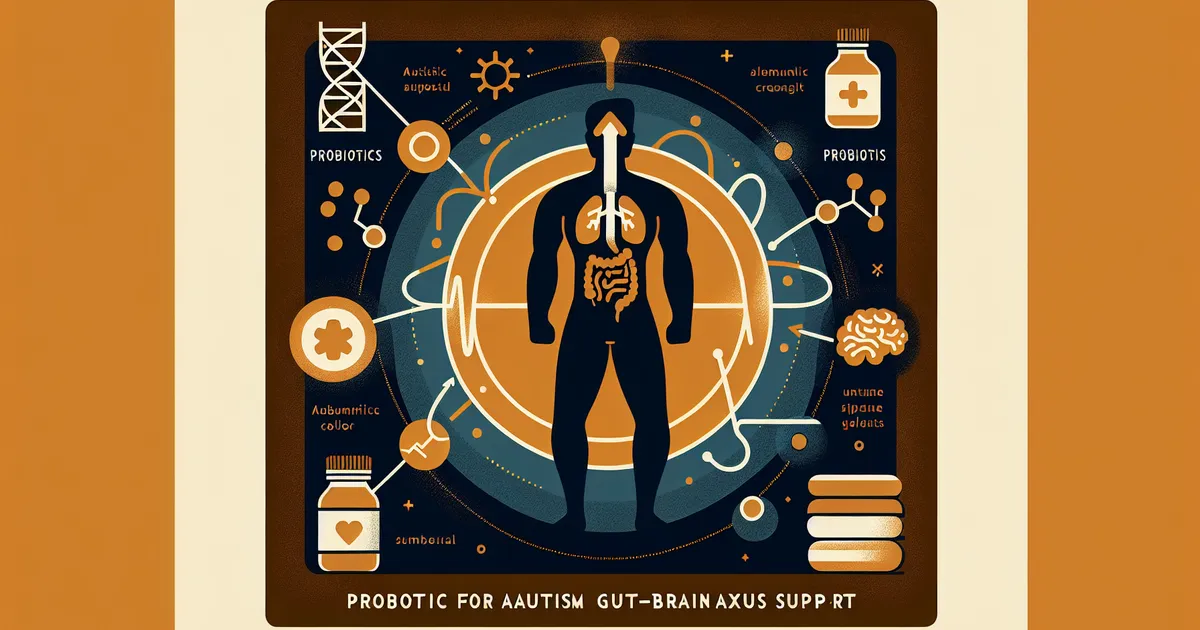
The probiotic strain with the strongest pediatric autism trial evidence is Lactobacillus plantarum PS128, tested in a 2019 randomized double-blind placebo-controlled trial in boys with autism aged 7-15 in Taiwan (Liu et al., Nutrients) at 6 x 10^10 CFU daily for 4 weeks, with significant improvements in opposition/defiance behaviors and SNAP-IV scores in the 7-12 age subgroup. Preliminary evidence from a 2024 systematic review and meta-analysis (Soleimanpour et al., 318 participants across 8 RCTs) suggests multi-strain probiotic blends outperform single-strain products for behavioral symptoms in autism, with stronger effects on interventions running longer than 3 months.
Important medical disclaimer
Probiotics are live microorganisms that interact with the immune system and may cause issues in immunocompromised children or those with central lines. Talk to your pediatric provider FIRST before starting probiotics or any supplement. This post is education, not a prescription.
TL;DR
- The most recent meta-analysis (Soleimanpour 2024, 8 RCTs, 318 participants) found a pooled SMD of -0.38 for behavioral symptom improvement, with multi-strain blends and durations over 3 months performing best.
- The single best-studied strain is Lactobacillus plantarum PS128 (Liu 2019 RCT). PS128 may help opposition, defiance, and ADHD-like behaviors in the 7-12 age subgroup.
- The Kang 2017 / 2019 microbiota transfer therapy (MTT) studies showed dramatic improvements in GI and behavioral symptoms in 18 children sustained at 2-year follow-up, but MTT is fecal microbiota transplant, not a probiotic supplement, and remains investigational.
- For gut comfort and behavior, start with a multi-strain pediatric blend at 5-10 billion CFU daily, for at least 12 weeks, with pediatric-provider sign-off.
- Drug interactions are minimal but real: probiotics can interact with immunosuppressants and broad-spectrum antibiotics (timing spacing required during a course).
- Halal status varies by strain growth medium, capsule shell, and excipients; vegetable capsule blends from disclosed-source brands are halal-friendly by default.
Why trust this guide
I am Kazi Habib, B.Pharm, MBA, PMP, with 10+ years across pharmaceutical sciences and life-sciences marketing. The strain selection, dose ranges, drug interaction list, and brand picks below come from peer-reviewed pediatric autism RCTs (Liu 2019 PS128, Kong 2021 PS128 + oxytocin pilot), the He 2023 and Soleimanpour 2024 systematic reviews and meta-analyses, Health Canada NPN database lookups, and the broader probiotic safety literature applied carefully to pediatric autism.
What the evidence actually shows
The Liu 2019 PS128 RCT. Published in Nutrients, Liu and colleagues randomized boys with ASD aged 7-15 in Taiwan to 4 weeks of Lactobacillus plantarum PS128 or placebo. PS128 ameliorated opposition/defiance behaviors in the overall sample. The younger subgroup (ages 7-12) showed significant SNAP-IV improvements versus placebo. This is the most-cited single-strain autism probiotic RCT and the basis for the PS128 product line.
The Kong 2021 PS128 + oxytocin combination pilot. Kong and colleagues ran a 28-week RCT in 35 individuals with ASD ages 3-20. PS128 at 6 x 10^10 CFU daily was paired with oxytocin starting at week 16. The combination group improved on Aberrant Behavior Checklist and Social Responsiveness Scale scores, with significant Clinical Global Impression improvement.
The He 2023 systematic review. He and colleagues pooled 7 clinical trials. Overall behavioral effect was non-significant (SMD -0.24), but probiotic blends specifically showed significant effects (SMD -0.42, p = 0.04). The "blends are better" finding is the most actionable piece.
The Soleimanpour 2024 updated meta-analysis. Pooled SMD on behavioral symptoms was -0.38 (95% CI -0.58 to -0.18, p < 0.01). Multi-strain probiotics outperformed single-strain (SMD -0.53 vs -0.28), and interventions exceeding 3 months outperformed shorter trials (SMD -0.43). This is the strongest meta-analytic evidence supporting "multi-strain blend, 12+ weeks, pediatric-provider-supervised" as the protocol most likely to help.
The Kang microbiota transfer therapy data. Kang and colleagues' 2017 open-label trial of fecal microbiota transplant in 18 children with ASD and GI symptoms produced dramatic improvements. The 2019 2-year follow-up showed improvements were maintained and in some measures intensified after treatment ended. MTT is not something to attempt outside a clinical trial; the long-term signal is one of the most provocative in the autism intervention literature.
What the data does not support. Probiotics are not a cure for autism. They do not change core autism characteristics in the meta-analyses. They are not a substitute for evidence-based behavioral, educational, or speech-language interventions. Effect sizes on behavioral measures are modest (SMD -0.38).
The gut-brain axis: where the story is real and where it is oversold
Three legitimate mechanisms link gut microbes to brain function:
Vagal nerve signaling. The vagus nerve carries afferent signals from the gut to the brain stem. Probiotic strains that alter the gut immune environment (Lactobacillus rhamnosus, Bifidobacterium longum) can change vagal afferent firing patterns. In autism, where sensory and autonomic regulation differences are common, this is the most direct mechanistic case.
Short-chain fatty acid (SCFA) production. Gut bacteria ferment dietary fiber into acetate, propionate, butyrate. Butyrate in particular has effects on intestinal epithelial integrity and anti-inflammatory signaling. Some autistic children have measurable differences in fecal SCFA profiles.
Tryptophan metabolism and neurotransmitter precursors. Gut microbes regulate tryptophan metabolism, which affects peripheral serotonin (most of the body's serotonin is gut-resident) and the kynurenine pathway. Effects on brain serotonin are indirect (gut serotonin does not cross the blood-brain barrier) but real via inflammatory mediators.
Where the story is oversold. "Heal the gut, cure the autism" is the marketing framing in some commercial probiotic spaces, and it is not supported by the trial data. Effect sizes are modest. Strain specificity matters and most consumer probiotic products do not use the strains that have trial evidence.
The GI symptom overlap. GI symptoms affect roughly 30-50% of autistic children. This is the subgroup most likely to show measurable benefit. For the GI-symptomatic autistic child, the case for a probiotic trial is the strongest; for the GI-asymptomatic child, the case is weaker.
Strain selection: which strains have actual evidence
Lactobacillus plantarum PS128. The single strain with the most pediatric autism RCT evidence (Liu 2019, Kong 2021). Commercial brands: BeBio Pro PS128, Bened PS128. Trial dose: 6 x 10^10 CFU (60 billion) daily. Effect domains: opposition, defiance, ADHD-like behaviors, particularly ages 7-12.
Lactobacillus rhamnosus GG (LGG). The most studied general probiotic strain in pediatrics, with strong evidence for antibiotic-associated diarrhea and acute infectious diarrhea. Autism-specific evidence is thinner but shows up in many multi-strain blends used in the meta-analyzed RCTs.
Bifidobacterium longum and Bifidobacterium infantis. Frequently included in multi-strain pediatric blends. Bifidobacterium species are typically reduced in the autistic gut microbiome; supplementation aims at repletion.
Saccharomyces boulardii. A probiotic yeast (not a bacterium) with strong evidence for antibiotic-associated diarrhea and Clostridioides difficile prevention. Useful in autistic children with recurrent GI infections or post-antibiotic dysbiosis.
Pediatric dosing protocol
The starting point for most autistic children is a multi-strain pediatric blend at 5-10 billion CFU daily for at least 12 weeks, with pediatric-provider sign-off. For the PS128 single-strain trial dose, 60 billion CFU daily.
- Age 4-6: 5 billion CFU daily, multi-strain pediatric blend, with breakfast or dinner.
- Age 7-12: 10-25 billion CFU daily, multi-strain pediatric blend; or PS128 60 billion CFU if targeting opposition/defiance.
- Age 13+: 25-50 billion CFU daily; PS128 at 60 billion CFU is an option.
- Duration: 12 weeks minimum before judging effect. Track GI symptoms, behavioral measures, sleep.
Drug interactions worth knowing
Broad-spectrum antibiotics. Antibiotics kill probiotic strains alongside pathogens. Space probiotic doses by 2 hours from the antibiotic. Continue the probiotic through and after the antibiotic course to support microbiome recovery.
Immunosuppressants. Rare cases of bacteremia have been reported in critically ill or severely immunocompromised populations on Lactobacillus or Saccharomyces probiotics. Pediatric infectious disease consultation needed if your child is on immunosuppressive therapy.
Central venous lines. Live probiotics in children with central lines carry a small risk of catheter colonization. Avoid in this setting unless cleared by ID.
Psychiatric medications. No direct pharmacokinetic interaction with risperidone, aripiprazole, SSRIs, clonidine, guanfacine, or anticonvulsants.
Top picks for pediatric autism probiotics in 2026
Solace Nutrition / Bened
BeBio Pro PS128 (Lactobacillus plantarum PS128)
The PS128 strain from the Liu 2019 RCT, 60 billion CFU per dose. Single-strain, behavior-targeted product. Vegetable capsule.
Garden of Life
Garden of Life Dr. Formulated Kids Probiotic
Multi-strain pediatric blend at 5-10 billion CFU. Vegetable capsule, NSF Certified. Available at Shoppers Drug Mart, Whole Foods Canada, Amazon Canada.
Renew Life
Renew Life Ultimate Flora Kids
Multi-strain pediatric blend at 3-5 billion CFU, chewable berry-flavored tablet for children who reject capsules. Widely available at Canadian drugstores.
Natural Factors
Natural Factors Children's Multi Probiotic
Canadian-formulated, NPN-licensed multi-strain pediatric blend. 5 billion CFU per serving. Halal-friendly default by ingredient profile.
Side effects and what to watch for
Initial gas, bloating, or loose stool. Common in the first 1-2 weeks; usually self-resolves. If it persists, reduce the dose or switch to a different strain blend.
Dairy reactions. Some autistic children with food sensitivities react to dairy-derived growth media rather than the bacteria themselves. If symptoms persist on multiple blends, consider a dairy-free formulation.
Immunocompromise warning. Avoid in children on immunosuppressive therapy or with central venous lines unless cleared by pediatric infectious disease.
Bottom line
Probiotics for autism are preliminary-evidence supportive of modest behavioral and GI benefit for some children, particularly the GI-symptomatic subgroup. The Soleimanpour 2024 meta-analysis pooled SMD of -0.38 is statistically significant and clinically modest. Best evidence: multi-strain pediatric blends at 5-25 billion CFU for at least 12 weeks, or PS128 at 60 billion CFU for the opposition/defiance subgroup. Drug interactions are minimal (separate from antibiotics by 2 hours; avoid in immunocompromised children). Halal-friendly Canadian picks: Garden of Life Dr. Formulated Kids, Natural Factors Children's Multi, Renew Life Ultimate Flora Kids, BeBio Pro PS128.
If you want to go deeper, start with fish oil for autism, magnesium for autism, or melatonin for autistic children.
Frequently Asked Questions
Preliminary evidence supports a modest benefit for some autistic children, particularly those with GI symptoms. The Soleimanpour 2024 meta-analysis of 8 RCTs (318 participants) found a pooled SMD of -0.38 on behavioral symptoms (statistically significant, clinically modest-to-moderate), with multi-strain blends and 12+ week durations performing best. Effect sizes do not reach 'cure' magnitude; this is a low-risk experiment that may help some kids.
Lactobacillus plantarum PS128. The Liu 2019 RCT in 80 boys with ASD aged 7-15 found improvements in opposition/defiance behaviors and SNAP-IV scores in the 7-12 age subgroup at 6 x 10^10 CFU daily for 4 weeks. The Kong 2021 28-week pilot pairing PS128 with oxytocin showed Aberrant Behavior Checklist and Social Responsiveness Scale improvements. Commercial products: BeBio Pro PS128, Bened PS128, PS128 Psychobiotic.
At least 12 weeks. The Soleimanpour 2024 meta-analysis subgroup analysis found interventions exceeding 3 months outperformed shorter trials. Single-week or 4-week trials are usually too short to see behavioral effects. Track GI symptoms (constipation frequency, abdominal pain, food selectivity) and behavioral measures across the 12-week window.
Generally yes. No direct pharmacokinetic interaction with risperidone, aripiprazole, SSRIs, clonidine, guanfacine, or anticonvulsants. The two real concerns: probiotics with broad-spectrum antibiotics (space by 2 hours to avoid the antibiotic killing the probiotic), and probiotics in immunocompromised children or those with central lines (rare cases of bacteremia have been reported; pediatric infectious disease consultation needed).
Not necessarily. CFU count is the marketing metric; specific strain identity at clinically validated doses is the trial metric. PS128 trials used 6 x 10^10 CFU (60 billion). General multi-strain pediatric blends typically use 5-25 billion CFU and that range is reasonable. Above 50 billion CFU does not show additional clinical benefit in most pediatric trials.
Halal status varies by strain growth medium, capsule shell, and excipients. The probiotic strains themselves are bacterial and halal-suitable. Growth medium concerns include dairy-derived substrates (acceptable to most halal interpretations). Capsule shell is the main flag: vegetable capsule (HPMC) is halal-friendly; gelatin capsule (porcine or unspecified) is not. Garden of Life, Natural Factors, and Renew Life all have vegetable-capsule pediatric blends.
FMT (also called microbiota transfer therapy or MTT) is a clinical procedure that transfers stool from a healthy donor to an autistic recipient via colonoscopy, capsule, or enema. The Kang 2017 open-label trial of 18 children with ASD and GI symptoms produced dramatic improvements; the 2019 2-year follow-up showed sustained gains. FMT is regulated very differently from probiotic supplements and remains investigational; not something to attempt outside a clinical trial.
Possibly. Multi-strain blends including Lactobacillus rhamnosus GG and Bifidobacterium species have moderate evidence for pediatric constipation. The effect is usually less dramatic than osmotic laxatives (magnesium citrate, polyethylene glycol) but probiotics are often used in combination with the laxative for the underlying microbiome support. For a child with both autism and constipation, the dual case for probiotics plus magnesium citrate is reasonable with prescriber oversight.
Common in the first 1-2 weeks; usually self-resolves. If it persists, reduce the dose (split a 25-billion-CFU capsule into halves over the day) or switch to a different strain blend. Some autistic children with food sensitivities react to specific strain growth media (dairy-derived) rather than the bacteria themselves; if symptoms persist on multiple blends, consider a dairy-free formulation.
Garden of Life Dr. Formulated Kids Probiotic (Shoppers Drug Mart, Whole Foods Canada, Amazon Canada), Natural Factors Children's Multi Probiotic (London Drugs, Rexall), Renew Life Ultimate Flora Kids (drugstores, Costco Canada), and BeBio Pro PS128 (iHerb Canada, Amazon Canada). All halal-friendly default by vegetable capsule and ingredient profile.
Kazi Habib
B.Pharm · MBA · PMP · Digital Marketing, York University
Kazi Habib is the founder of FitFixLife. With over 10 years in pharmaceutical and life sciences marketing, a Digital Marketing certification from York University (Toronto), and hands-on experience launching nutraceutical products at Beximco Pharmaceuticals — including science-backed meal replacers for weight management and diabetic nutrition — he brings regulated product development, clinical data analysis, and evidence-based content standards to every tool and article on this site.
Connect on LinkedIn →No spam. Unsubscribe anytime.
Related Articles
Fish Oil for Autism 2026: Pharmacist Dose & Evidence Guide
Pediatric omega-3 for autism: Cochrane found no strong evidence; Mazahery 2017, Doaei 2021 show modest signals. Dosing, drug interactions, IFOS-certified halal-friendly picks.
Magnesium for Autism 2026: Pharmacist Form & Dosing Guide
Pediatric magnesium for autism: glycinate vs citrate vs threonate, 3-6 mg/kg dosing, Cochrane B6+Mg context, drug interactions, halal-friendly Canadian picks.
Melatonin for Autistic Children 2026: Pharmacist Dosing Guide
Pediatric melatonin for autism: start at 0.5-1 mg immediate-release, evidence from Gringras 2017 and Malow 2021, drug interactions with risperidone and SSRIs, halal product picks.
Try These Free Tools
Disclaimer: This article is for informational purposes only and does not constitute medical advice. Always consult a qualified healthcare professional before making changes to your diet, exercise, or supplement routine.