Ramadan Weight Loss: What Happens to Your Body?

Ramadan weight loss is a common topic among those observing the fast. During this holy month, Muslims refrain from eating and drinking from dawn until sunset. While some people experience weight loss, others might gain weight. But what exactly happens to your body during this time? Let's explore how fasting affects your body composition and whether it truly burns fat.
For many, Ramadan is not only a spiritual journey but also a time to reconsider health and nutrition. Despite the fasting hours, the food choices made during Iftar and Suhoor can significantly impact overall health. Understanding these effects can help you make informed decisions about your diet and lifestyle during Ramadan.
TL;DR
Ramadan can lead to weight changes, depending on dietary choices and lifestyle. Understanding fasting's impact can help manage weight effectively.
Try Our Calorie Calculator
Get personalized numbers based on your body and goals
Try the Calorie Calculator →Understanding Fasting During Ramadan
Fasting during Ramadan involves abstaining from all food and drink from dawn to sunset. This practice can lead to significant changes in metabolism and energy expenditure. According to a 2024 study published in the Journal of Sports Medicine, fasting can improve insulin sensitivity and promote fat oxidation.
However, the outcomes heavily depend on what is consumed during non-fasting hours. Consuming high-calorie, high-fat foods during Iftar can lead to weight gain rather than loss. Therefore, it is crucial to maintain a balanced diet to harness the benefits of fasting.
Additionally, staying hydrated and incorporating physical activity into your routine can further enhance the positive effects of fasting.
- Fasting improves insulin sensitivity
- Balanced diet is crucial
- Staying hydrated is essential
Impact on Body Composition
Body composition changes during Ramadan can vary based on individual habits. Some may experience muscle loss if protein intake is inadequate. Research from the National Institutes of Health shows that consuming sufficient protein can help maintain muscle mass.
On the other hand, a focus on whole grains, fruits, and vegetables can promote fat loss. These foods are nutrient-dense and help maintain energy levels throughout the day.
Supplementing with halal-certified protein powders can also support muscle maintenance and recovery after workouts.
- Adequate protein intake prevents muscle loss
- Whole foods promote fat loss
- Halal-certified supplements support nutrition
Does Fasting Burn Fat?
Fasting can indeed promote fat oxidation, particularly when combined with regular exercise. According to examine.com, intermittent fasting, like that observed during Ramadan, can increase the body's ability to burn fat as a fuel source.
However, it's essential to avoid overeating during Iftar, which can negate the fat-burning benefits of fasting. Portion control and mindful eating practices are vital.
Using tools such as the FitFixLife Calorie Calculator can help you monitor your caloric intake and ensure you're in a caloric deficit, if weight loss is your goal.
- Fasting increases fat oxidation
- Overeating can negate benefits
- Calorie monitoring supports weight goals
Common Pitfalls and How to Avoid Them
A common pitfall during Ramadan is consuming sugary drinks and desserts, which can lead to weight gain. Opting for water, herbal teas, and natural fruit juices can help mitigate this risk.
Skipping Suhoor, the meal before dawn, is another mistake that can lead to overeating later in the day. Ensuring a balanced Suhoor can help maintain energy levels.
Planning meals ahead using the FitFixLife Meal Planner can prevent impulsive eating and help maintain a balanced diet.
- Avoid sugary drinks and desserts
- Don't skip Suhoor
- Plan meals ahead
Optimal Nutritional Choices
Incorporating lean proteins, complex carbohydrates, and healthy fats into your meals can support weight management. According to Harvard Health, these macronutrients promote satiety and stable energy levels.
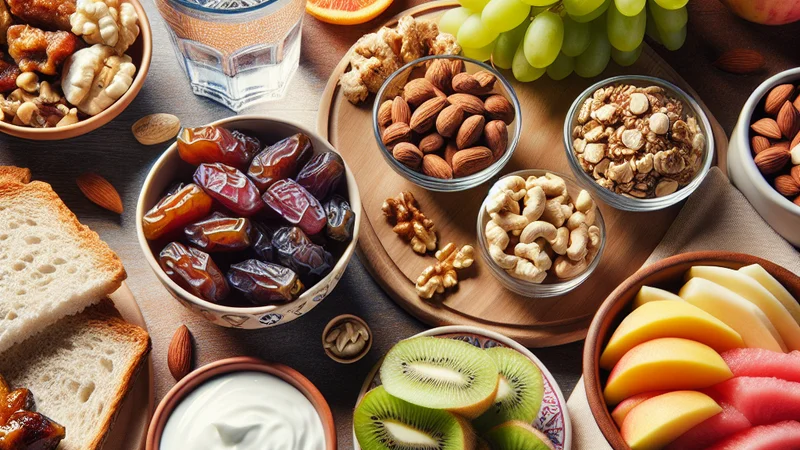
Consider traditional dishes that are nutrient-dense. For instance, dates are not only a staple for breaking the fast but also provide natural sugars and fiber.
Integrating a variety of fruits and vegetables ensures adequate vitamin and mineral intake, essential for overall health during fasting.
- Include lean proteins and complex carbs
- Dates provide natural sugars and fiber
- Fruits and veggies ensure nutrient intake
Frequently Asked Questions
Yes, many people experience weight loss during Ramadan due to reduced caloric intake and increased fat oxidation. However, the outcome depends on food choices during non-fasting hours.
Weight gain can occur if individuals consume high-calorie foods and sugary drinks during Iftar and Suhoor. Overeating and lack of physical activity also contribute to weight gain.
Focus on whole foods like lean proteins, whole grains, fruits, and vegetables. These foods promote satiety and help maintain energy levels. Using a meal planner can help organize balanced meals.
Fasting may not be suitable for everyone, including pregnant women, individuals with chronic illnesses, or those with disordered eating patterns. It's important to consult a healthcare provider before starting any fasting regimen.
Yes, incorporating moderate exercise can enhance fat loss and improve overall fitness. Activities like walking or light jogging are beneficial when aligned with fasting routines.
The Bottom Line
Ramadan offers a unique opportunity to reset your dietary habits. By focusing on balanced meals and mindful eating, you can achieve your weight management goals. Use available tools like the FitFixLife Calorie Calculator to track your intake and make informed choices.
Kazi Habib
B.Pharm · MBA · PMP · Digital Marketing, York University
Kazi Habib is the founder of FitFixLife. With over 10 years in pharmaceutical and life sciences marketing, a Digital Marketing certification from York University (Toronto), and hands-on experience launching nutraceutical products at Beximco Pharmaceuticals — including science-backed meal replacers for weight management and diabetic nutrition — he brings regulated product development, clinical data analysis, and evidence-based content standards to every tool and article on this site.
Connect on LinkedIn →No spam. Unsubscribe anytime.
Try These Free Tools
Disclaimer: This article is for informational purposes only and does not constitute medical advice. Always consult a qualified healthcare professional before making changes to your diet, exercise, or supplement routine.