Sleep and Recovery for Athletes: The Performance Multiplier (2026)
Sleep is the recovery intervention with the largest single effect size in sport science. The Mah 2011 Stanford basketball trial in Sleep extended 11 collegiate male players to 10 hours in bed for 5-7 weeks. Result: sprint time 16.2 to 15.5 s, free-throw +9%, three-point +9.2%, plus improved reaction time and reduced daytime sleepiness. The Cunha 2023 systematic review in Sports Medicine Open confirmed sleep extension as the most consistent performance-improving recovery intervention.
TL;DR
- 8 hours minimum, 9-10 hours optimal during heavy training.
- Schedule consistency beats duration variability. Same bedtime 7 days/week beats weekend catch-up.
- Supplement stack: magnesium glycinate 200-400 mg elemental + glycine 3 g, 30-60 min before bed.
- Melatonin is a specialty tool for travel/circadian shift, not routine sleep onset.
- Halal-friendly: Thorne Magnesium Bisglycinate, CanPrev (Canadian), NOW Foods Glycine powder.
- Highest leverage is the schedule change, not the supplement stack. 90 extra minutes of sleep beats every pill.
Why trust this guide
I am Kazi Habib, B.Pharm, MBA, PMP, 10+ years across pharmaceutical sciences and life-sciences marketing, founder of FitFixLife and PharmoniQ. I have been a recreational athlete (Toronto rec hockey, distance running, occasional pickleball) for years. The recommendations below come from PubMed-verified primary sources plus the Canadian halal-friendly sleep-supplement picture.
Why sleep is the biggest single recovery lever
The Ritland 2019 RCT in Sleep Medicine on 50 military tactical athletes documented immediate and residual cognitive/motor improvements from sleep extension. The Walker & Stickgold 2005 review in Clinics in Sports Medicine established sleep's central role in motor skill consolidation. The mechanism stacks: growth hormone pulse during N3 deep sleep, glymphatic clearance of neurotoxic waste, protein synthesis upregulation, immune support, and consolidation of motor learning.
Sleep hygiene basics (do these first)
- Consistent bedtime and wake time 7 days a week, within a 30-minute window. The biggest leverage in sleep is here, not in supplements.
- Cool, dark, quiet bedroom. 18-20C, blackout shades, white noise if needed.
- Caffeine cutoff 8-10 hours before bedtime. Half-life is 5-6 hours; 200 mg at 2pm still leaves 25-50 mg active at midnight.
- No alcohol within 3-4 hours of bed. Alcohol fragments the second half of sleep regardless of perceived sleepiness.
- Sunlight in the morning, dim light at night. Anchors circadian rhythm.
The supplement stack: magnesium + glycine
Magnesium glycinate 200-400 mg elemental, evening. The Nielsen 2010 trial in Magnesium Research documented sleep quality improvement in older adults. The Hausenblas 2024 RCT on magnesium L-threonate showed sleep quality and daytime functioning improvements. Glycinate has the cleanest tolerability; L-threonate adds a cognitive-targeted brain-magnesium signal but costs more.
Glycine 3 g powder, 30-60 min before bed. The Bannai & Kawai 2012 review in J Pharmacol Sci documented glycine's subjective sleep quality improvement via decreased core body temperature. The glycine in magnesium glycinate contributes to this effect, which is why the two stack so well.
Melatonin: specialty tool, not routine
Melatonin is most useful for travel (eastward flights crossing 3+ time zones), shift work, and confirmed delayed sleep phase. It is not first-line for sleep onset on a normal training schedule. Doses for circadian shift are low (0.3-0.5 mg, taken 3-5 hours before target bedtime); higher doses (3-10 mg) commonly used in OTC products often worsen morning grogginess without improving sleep onset. The US OTC product quality problem is real (multiple ConsumerLab studies documenting wide variance between labeled and actual content); use Canadian NPN-licensed or third-party-certified SKUs.
Halal-friendly Canadian picks
CanPrev
Magnesium Bisglycinate 200
Canadian-made, NPN-licensed, vegetable capsule. The standard halal-friendly Canadian magnesium glycinate for evening sleep support. ~$25 CAD per 120 caps.
Thorne
Magnesium Bisglycinate
NSF Certified for Sport. Pharmaceutical-grade. Premium pick for athletes subject to anti-doping testing. ~$35 CAD per 60 caps via iHerb Canada.
The pharmacist take on sleep supplements and medications
Benzodiazepines and Z-drugs (zopiclone, zolpidem): do not stack with melatonin or magnesium without prescriber input; sedation accumulates. SSRIs and SNRIs: magnesium and glycine generally fine; melatonin interaction is variable. Beta blockers: suppress endogenous melatonin; supplemental melatonin may be more useful in this population. Anticoagulants (warfarin): high-dose magnesium can affect platelet function modestly; consistent dosing matters. Antihypertensives: magnesium has mild BP-lowering effect; monitor.
Bottom line
Sleep is the largest single recovery lever in sport science. The Stanford basketball protocol showed measurable performance gains from 5-7 weeks of sleep extension. Magnesium glycinate plus glycine is the cleanest supplemental stack; melatonin is a specialty tool. None of the supplements does as much for recovery as adding 90 minutes per night of actual sleep; if you are sleeping 6.5 hours, the highest-leverage move is the schedule change, not the supplement stack.
For bedtime/wake-time math, run the FitFixLife sleep calculator. For the magnesium deep dive, see magnesium glycinate vs citrate vs oxide.
Frequently Asked Questions
8 hours minimum, 9-10 hours optimal during heavy training periods. The Mah 2011 Stanford basketball protocol targeted 10 hours in bed, which produced about 8-9 hours of actual sleep given typical sleep efficiency. If you are training hard and sleeping 6.5 hours, adding 90 minutes per night is the highest-leverage move on this entire list.
For most athletes, the practical stack is magnesium glycinate (200-400 mg elemental) plus glycine powder (3 g), both 30-60 minutes before bed. The combination has the cleanest tolerability profile, the lowest cost, and supports the sleep stages most relevant to recovery (N3 deep sleep). Melatonin is not first-line for sleep onset on a normal training schedule.
Melatonin itself is not on the WADA prohibited list and will not show up on standard sport drug tests. The risk is contamination of OTC products with unintended substances; use NSF Certified for Sport or Informed Sport-certified SKUs.
Yes, with timing. 20-30 minute naps in the early afternoon (not later than 3 p.m.) are well-supported in sport science literature. Longer naps risk sleep inertia and may compromise the following night's sleep onset.
Partially, but not fully. Weekend recovery sleep helps, but variable sleep timing introduces social jet lag that disrupts the circadian system independently of total sleep amount. The most leverage comes from consistent sleep and wake times 7 days a week.
Magnesium and glycine: 30-60 minutes for the subjective effect. Melatonin: 30-90 minutes depending on form. Effects compound over the first 1-2 weeks of consistent use; do not judge a sleep supplement on a single night.
Yes, in commercial supplement supply chains. Commercial glycine is synthesized chemically and is not animal-derived. Pure powder forms are the cleanest halal-friendly default.
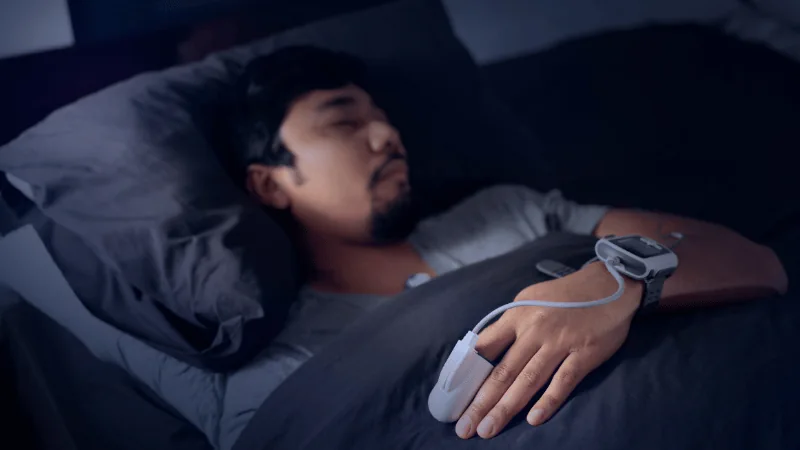
Supplements will not fix sleep apnea. Sleep apnea fragments architecture independent of supplementation. If you snore, wake unrefreshed despite adequate sleep time, or have an arousal-from-sleep pattern that supplements do not improve, get a sleep study. CPAP is the treatment.
Alcohol fragments the second half of sleep regardless of supplementation. Supplements do not undo alcohol's effect on REM and N3. For athletes serious about recovery, alcohol within 3-4 hours of bedtime is a meaningful performance leak.
Kazi Habib
B.Pharm · MBA · PMP · Digital Marketing, York University
Kazi Habib is the founder of FitFixLife. With over 10 years in pharmaceutical and life sciences marketing, a Digital Marketing certification from York University (Toronto), and hands-on experience launching nutraceutical products at Beximco Pharmaceuticals — including science-backed meal replacers for weight management and diabetic nutrition — he brings regulated product development, clinical data analysis, and evidence-based content standards to every tool and article on this site.
Connect on LinkedIn →No spam. Unsubscribe anytime.
Related Articles
Magnesium Glycinate for Sleep: Dose, RCTs, Brands
Pharmacist guide to magnesium glycinate for sleep: 200-400 mg dose, RCT evidence, sleep architecture, drug interactions, halal Canadian brands.
Magnesium Glycinate vs Citrate vs Oxide (Pharmacist Guide)
Pharmacist breakdown of magnesium glycinate, citrate, and oxide: bioavailability data, dosing, halal status, top Canadian brands, and what labels hide.
Try These Free Tools
Disclaimer: This article is for informational purposes only and does not constitute medical advice. Always consult a qualified healthcare professional before making changes to your diet, exercise, or supplement routine.