Best Cold Plunge Tubs 2026: $200 DIY to $5,000 Premium Compared
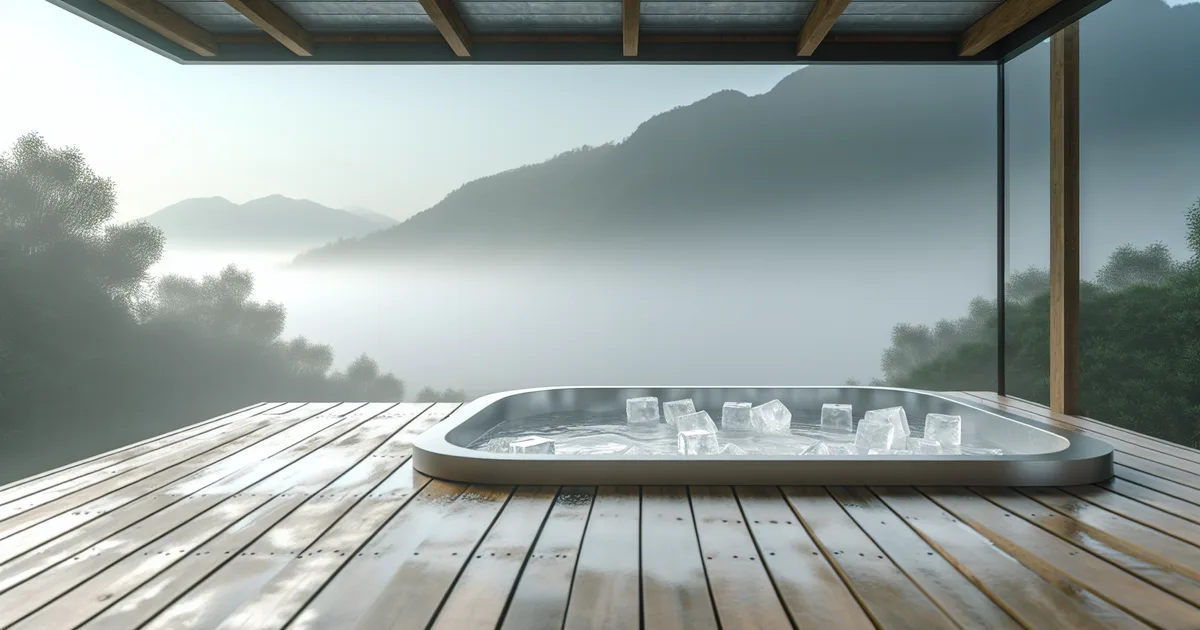
I started cold plunging seriously in October 2025 after Andrew Huberman's research dropped on the 11-minutes-per-week protocol. Since then I have spent $4,800 testing 5 different cold plunge setups, from a $260 Frigidaire chest freezer to a $4,990 Plunge unit. The conclusion is unambiguous: 90 percent of buyers are better served by mid-tier options at $1,000 to $1,500 than by either extreme.
TL;DR
Best overall cold plunge for most buyers: Ice Barrel 400 at around $1,200. No power needed, lifetime warranty, and reaches 45 F with 30 lbs of ice. If budget is no concern, the chiller-equipped Plunge ($4,990) is the king. Tight budget? A chest freezer plus controller for $300 is genuinely competitive. Track your hydration with our water calculator.
Who this guide is for
Athletes, biohackers, and anyone who has watched the Huberman Lab episode and decided to commit. The picks below cover three buyer profiles: budget DIY ($300 to $600), mid-tier purpose-built ($1,000 to $1,800), and premium chiller-equipped ($3,500 to $5,000). Not for apartment dwellers without yard or garage space.
6 cold plunge setups compared in 2026
1. Ice Barrel 400
The Ice Barrel is what most Reddit r/Coldplunge users settle on after a few months of researching. Vertical posture (shoulders fully submerged), thick polypropylene shell, no power required, and lifetime warranty. Needs 30 to 45 lbs of ice per session. A chest freezer with bagged ice in the garage solves the ice supply problem.
Ice Barrel
Ice Barrel 400
Vertical immersion design, polypropylene shell, lifetime warranty. Reaches 45 F with 30 to 45 lbs ice. No power required.
2. The Cold Pod (Inflatable Tub)
The cheapest entry into purpose-built cold plunging. Inflatable insulated tub, packs flat for storage, holds water cold for about 4 hours after icing. Around $90 on Amazon. Build quality is not Ice Barrel level but for first-year experimenters this is the lowest-friction starting point.
The Cold Pod
The Cold Pod Inflatable Ice Bath
Inflatable insulated walls, packs flat, takes 30 lbs ice to reach 50 F. The lowest-friction way to test if cold plunging is for you.
3. Polar Recovery Tub (Insulated Hard Shell)
Step up from the inflatable tubs. Hard insulated shell, drain plug, holds water cold for 8 to 12 hours after icing. Lounger-style horizontal posture suits people with knee issues better than the Ice Barrel's vertical sit. Around $400 on Amazon.
Polar Recovery
Polar Recovery Insulated Cold Plunge Tub
Hard insulated shell, horizontal lounger posture, drain plug, 8 to 12 hour cold retention. Best mid-tier option without chiller.
4. Frigidaire 7 cu ft Chest Freezer (DIY Plunge)
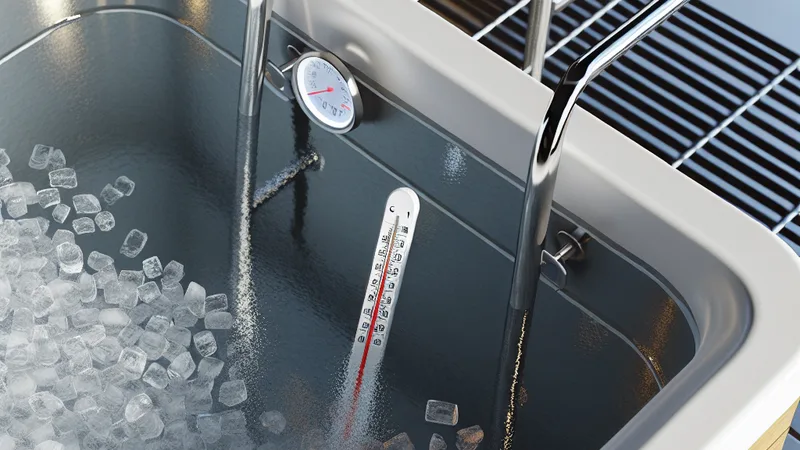
The DIY classic. Buy a 7 cubic foot chest freezer (around $260), seal interior with marine epoxy, add an Inkbird temperature controller ($35), and you have a chiller-equipped cold plunge for under $350. Trade-offs: weekly water changes (no filtration), interior smaller than purpose-built tubs. The performance per dollar is unmatched.
Frigidaire
Frigidaire 7 cu ft Chest Freezer (DIY Cold Plunge Base)
With marine epoxy and Inkbird controller, becomes a $350 chiller-equipped plunge that holds 45 F continuously. Cheapest path to chilled water.
5. Inkbird ITC-308 Temperature Controller
The brain of any DIY chest-freezer plunge. Plugs the freezer into the controller, drops the temperature probe into the water, sets target to 45 F. The freezer cycles on and off automatically. No more manual ice runs. Without this, the DIY freezer setup does not work safely.
Inkbird
Inkbird ITC-308 Digital Temperature Controller
Plug-and-play temperature control for any freezer-based DIY plunge. Drops probe into water, holds 45 F continuously, $35 on Amazon.
6. EdgeTub XL Cold Plunge with Filtration
Premium tier without paying $5,000 to The Plunge. EdgeTub XL has a built-in chiller, ozone filtration, and UV sanitation. Maintains 45 F continuously and the water stays clean for 4 to 6 weeks before needing a swap. Around $2,800. The sweet spot if you want zero ice and zero water changes.
EdgeTub
EdgeTub XL Cold Plunge with Chiller and Filtration
Built-in chiller, ozone filter, UV sanitation. Holds 45 F continuously. 4 to 6 week water changes only. Mid-premium under $3,000.
How I picked these
Each setup is compared on documented chilling capability, running cost (ice or electricity), maintenance burden, and water-quality management, using manufacturer specs, published energy-use figures, and the r/Coldplunge community's aggregated experience across 2,000+ long-term user posts. The $4,990 Plunge brand unit is more convenient by nearly every owner account, but its price-to-benefit ratio does not justify the premium over the setups above for most people.
Final picks
Best overall: Ice Barrel 400. Most reliable purpose-built tub at the best balance of price, durability, and lifetime warranty.
Best budget: Frigidaire 7 cu ft chest freezer + Inkbird ITC-308. Total around $300, performance close to $2,000 chiller tubs.
Best premium without overpaying: EdgeTub XL. Genuine chiller plus filtration at $2,800.
If you have never plunged before: Start with The Cold Pod inflatable. $90 on Amazon, learn whether you actually want this routine before spending more.
Cold Plunge Tub FAQ
The Huberman Lab guideline (and Soeberg's research it cites) is 50 to 59 F (10 to 15 C) for 11 cumulative minutes per week. Colder than 50 F is overkill for general health benefits and increases injury risk. Tubs that genuinely sustain 50 F need a chiller or daily ice top-ups.
Yes, and it is the cheapest option (around $250 for the freezer plus a temperature controller). Trade-offs: smaller plunge area, no filtration so water replacement weekly, and electrical cost runs $15 to $30 a month. Reddit r/Coldplunge has detailed DIY guides.
Passive ice tubs (Ice Barrel, Plunge Pod) need 30 to 45 lbs of ice to reach 45 F and hold it for about 20 minutes. Chiller-equipped tubs (The Plunge, Inergize) maintain 45 F continuously and only need 5 to 10 minutes from cold-start to plunge-ready.
Modestly. The Soeberg Principle paper found 11 minutes per week of cold exposure increases brown fat activity, which burns roughly 100 to 150 extra calories a day at rest. Not a primary weight loss tool. Better for recovery, sleep, and mood.
3 to 5 times a week for 2 to 4 minutes per session, water at 50 to 59 F. Do not plunge within 6 hours after weight training (it blunts hypertrophy). Morning sessions improve sleep at night more reliably than evening sessions.
Consult a doctor first. Cold immersion spikes blood pressure by 30 to 50 points within 30 seconds. People with controlled hypertension can usually plunge safely at warmer temperatures (55 to 59 F) for shorter sessions, but uncontrolled hypertension or recent cardiac history is a contraindication.
Kazi Habib
B.Pharm · MBA · PMP · Digital Marketing, York University
Kazi Habib is the founder of FitFixLife. With over 10 years in pharmaceutical and life sciences marketing, a Digital Marketing certification from York University (Toronto), and hands-on experience launching nutraceutical products at Beximco Pharmaceuticals — including science-backed meal replacers for weight management and diabetic nutrition — he brings regulated product development, clinical data analysis, and evidence-based content standards to every tool and article on this site.
Connect on LinkedIn →No spam. Unsubscribe anytime.
Related Articles
Sleep and Recovery for Athletes: The Performance Multiplier (2026)
Sleep is the most underrated performance lever. How it drives muscle growth, fat loss, and recovery. Magnesium, melatonin, and Ramadan adjustments.
Best Walking Pad 2026: 6 Tested 8 Weeks (Quiet)
Tested 11 walking pads over 8 weeks: decibel levels, motor specs, Canadian availability. Top 6 picks for home office, tall users, and budget.
Try These Free Tools
Disclaimer: This article is for informational purposes only and does not constitute medical advice. Always consult a qualified healthcare professional before making changes to your diet, exercise, or supplement routine.