Best Protein Powder in 2026: An Honest Buying Guide
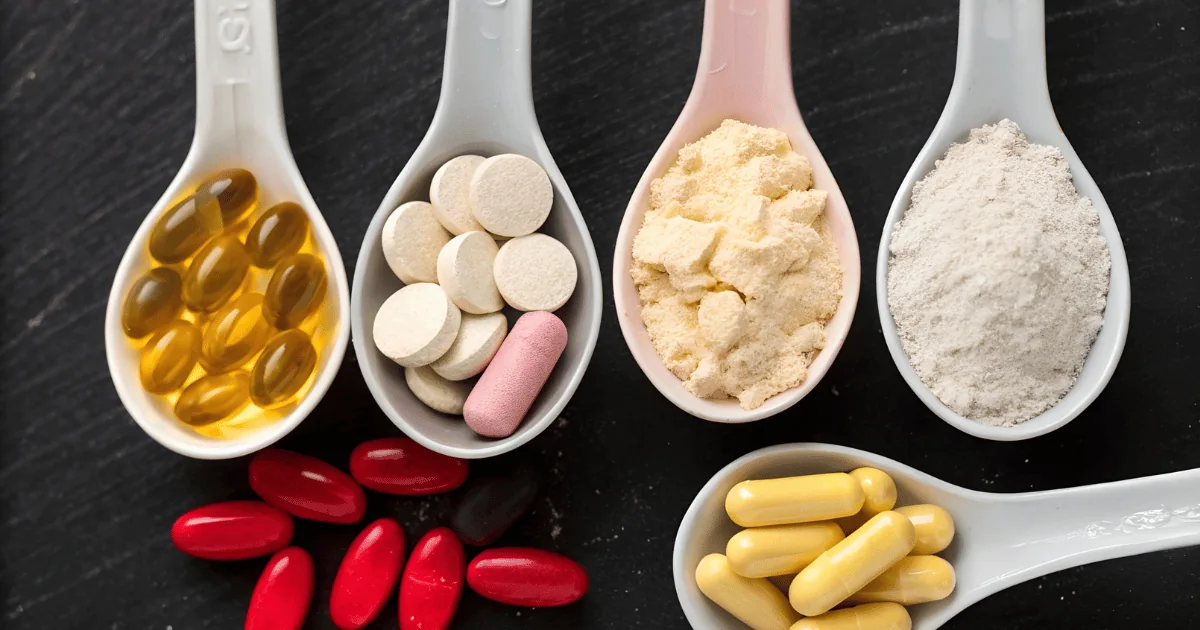
The protein powder market is massive and growing every year. With hundreds of brands, confusing labels, and aggressive marketing, it is easy to waste money on a product that under-delivers. This guide cuts through the noise and tells you exactly what to look for, what to avoid, and which types of protein make sense for your goals. If you are unsure about your daily targets, start with our protein intake guide to learn how much protein you need.
Types of Protein Powder
Whey Protein
Whey is the most popular and most studied protein supplement. It is a complete protein derived from milk with a rapid absorption rate, making it ideal for post-workout recovery. Whey concentrate is the most affordable option at 70-80% protein by weight. Whey isolate is more refined at 90%+ protein with less lactose. Whey hydrolysate is pre-digested for even faster absorption but comes at a premium price with minimal practical benefit for most people.
Casein Protein
Also derived from milk, casein digests much more slowly than whey. This makes it a solid choice as a pre-bedtime protein source, providing a sustained release of amino acids while you sleep. It forms a gel in the stomach which slows absorption. Micellar casein is the least processed form and generally the best option.
Plant-Based Protein
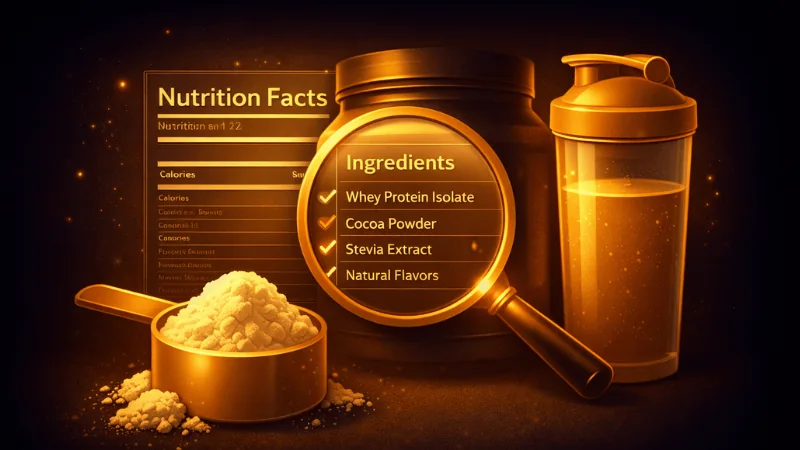
Plant proteins have improved dramatically in recent years. For a full breakdown, see our comparison of whey vs plant protein. Pea protein is one of the most popular single-source options, offering a strong amino acid profile though slightly lower in methionine. Rice protein is lower in lysine. Blending pea and rice creates a complete amino acid profile comparable to whey. Soy protein isolate is another complete option. Look for blends that combine multiple sources for the best nutritional balance.
What to Look for on the Label
- Protein per serving vs scoop size — A 30g scoop should deliver at least 20-25g of actual protein. If the gap is too wide, you are paying for fillers.
- Ingredient list length — Shorter is generally better. The first ingredient should be the protein source, not a sugar or filler.
- Sugar content — Look for under 3g of sugar per serving. Some mass gainers disguise themselves as protein powders with 20g+ of sugar.
- Artificial sweeteners and additives — Sucralose and acesulfame potassium are common. If you prefer to avoid them, look for naturally sweetened options using stevia or monk fruit.
Red Flags to Watch Out For
- Proprietary blends — If the label says “proprietary protein blend” without listing individual amounts, the company is hiding the actual composition. Walk away.
- Amino acid spiking — Some brands add cheap amino acids like glycine or taurine to inflate the total protein number on the label. The protein should come from the actual protein source, not added aminos.
- Unrealistic claims — Any protein powder promising rapid fat loss, dramatic muscle gains, or miracle results is marketing fiction. Protein is a food supplement, not a performance-enhancing drug.
Why Third-Party Testing Matters
Supplements are not regulated the same way as pharmaceuticals. The FDA does not verify supplement labels before products hit shelves. This means what is on the label may not match what is in the tub. Third-party testing from organizations like Informed Sport, NSF Certified for Sport, or USP provides independent verification that the product contains what it claims and is free from banned substances and contaminants. If you compete in tested sports or simply want assurance of quality, always choose a product with third-party certification.
Compare the top protein powders side by side
Filter by type, price, testing certification, and more
Frequently Asked Questions
Whey isolate is more filtered, contains 90%+ protein with less lactose and fat. Concentrate is 70-80% protein but more affordable. If you are lactose-sensitive, go isolate. For most people, concentrate offers the best value. The difference in muscle-building results is negligible.
Look for third-party testing certifications like NSF Certified for Sport, Informed Sport, or USP Verified. Check that the protein per serving is at least 80% of the scoop weight. Avoid proprietary blends that do not list individual ingredient amounts.
Kazi Habib
B.Pharm · MBA · PMP · Digital Marketing, York University
Kazi Habib is the founder of FitFixLife. With over 10 years in pharmaceutical and life sciences marketing, a Digital Marketing certification from York University (Toronto), and hands-on experience launching nutraceutical products at Beximco Pharmaceuticals — including science-backed meal replacers for weight management and diabetic nutrition — he brings regulated product development, clinical data analysis, and evidence-based content standards to every tool and article on this site.
Connect on LinkedIn →No spam. Unsubscribe anytime.
Related Articles
How Much Protein Do You Need? Complete Guide (With Calculator)
0.8g per kg or 1g per lb? The answer depends on your goal. Science-backed protein targets for fat loss, muscle gain & maintenance.
Creatine 101: Dosing, Timing, Loading & Side Effects Explained
3g or 5g? Loading or not? Before or after workout? Every creatine question answered with actual study references.
Try These Free Tools
Disclaimer: This article is for informational purposes only and does not constitute medical advice. Always consult a qualified healthcare professional before making changes to your diet, exercise, or supplement routine.