Body Recomposition Guide: Lose Fat & Build Muscle Simultaneously
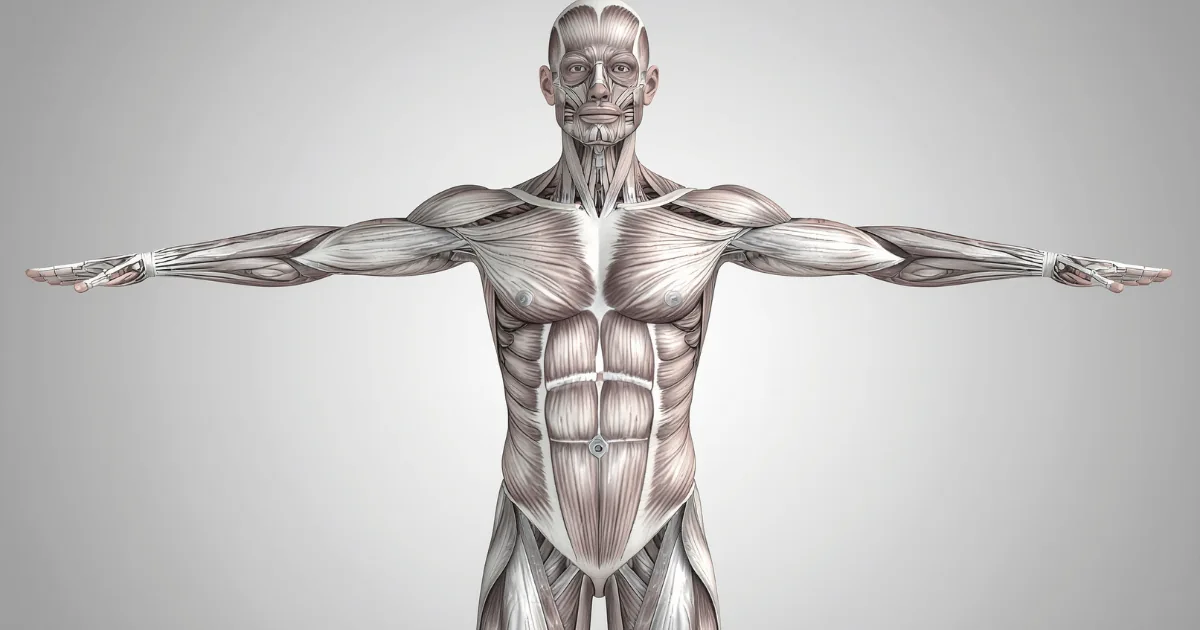
Most fitness advice frames your options as a binary choice: either cut calories to lose fat or eat more to build muscle. Body recomposition challenges that framework. It is the process of simultaneously losing body fat and gaining lean muscle mass, changing the ratio of fat to muscle on your frame even when the number on the scale barely moves. This guide covers who can realistically achieve body recomposition, exactly how to set up your nutrition and training, and what to expect along the way.
What Is Body Recomposition?
Body recomposition (often shortened to “recomp”) refers to the process of reducing body fat while increasing muscle tissue at the same time. Traditional bulking and cutting cycles tackle these goals sequentially: you eat in a surplus to build muscle, accept some fat gain, then diet to remove the fat while trying to preserve the muscle you built. Recomp attempts to do both at once.
The concept sounds too good to be true, and for some populations it essentially is. But research consistently shows that certain groups of people can achieve meaningful recomposition results when their nutrition and training are set up correctly. The key is understanding whether you fall into one of those groups and setting realistic expectations for the timeline involved.
Who Can Realistically Achieve Body Recomp?
Body recomposition works best when your body has a strong stimulus for muscle growth and available energy stores (body fat) to fuel that growth even without a calorie surplus. The following groups are best positioned for recomp:
- Beginners who are new to resistance training — If you have never lifted weights seriously, your body responds powerfully to the new stimulus. This “newbie gains” effect allows rapid muscle growth even at maintenance calories or a slight deficit. The first 6-12 months of training are a golden window for recomp.
- Returning lifters after a training break — Muscle memory is real. If you previously trained consistently and took months or years off, your body can rebuild lost muscle tissue faster than it built it the first time. This is because the myonuclei (nuclei within muscle fibers) persist even after the muscle atrophies, allowing rapid regrowth when you resume training.
- Individuals carrying significant body fat — If you have a higher body fat percentage (roughly 25%+ for men, 35%+ for women), your body has ample stored energy to fuel muscle building even in a mild deficit. The more fat you carry, the easier it is for your body to use fat stores to support recovery and growth.
- People who previously under-ate protein — If your diet was chronically low in protein and you suddenly optimize your intake to 1.6-2.2g per kilogram of body weight, the improved nutritional support alone can drive measurable muscle gains alongside fat loss.
For advanced, lean lifters who have been training hard for years, body recomposition becomes extremely difficult. These individuals are better served by traditional bulking and cutting cycles because their bodies are already close to their muscular potential and have less fat to spare as an energy source.

The Nutrition Framework for Body Recomp
Calorie Targets
The nutrition setup for recomp is the most nuanced of any goal. You are not in a heavy deficit (which would sacrifice muscle growth) and you are not in a surplus (which would add unwanted fat). Instead, you operate in a tight range around your maintenance calories. There are two effective approaches:
- Eat at maintenance — Calculate your Total Daily Energy Expenditure (TDEE) using our Calorie Calculator and eat at that level consistently. Your body uses stored fat to fuel the energy demands of muscle repair and growth.
- Slight deficit of 100-300 calories — A very mild deficit can accelerate fat loss while still supporting muscle growth, provided protein intake is high enough. This approach works especially well for individuals carrying more body fat.
Calorie Cycling (Optional Advanced Strategy)
Some people benefit from calorie cycling during a recomp. This means eating slightly above maintenance on training days (when your body needs fuel for recovery and muscle building) and slightly below maintenance on rest days (when energy demands are lower). For example, if your maintenance is 2,400 calories, you might eat 2,600 on training days and 2,200 on rest days. Your weekly average stays near maintenance, but the day-to-day distribution aligns with your body's actual energy needs.
Calorie cycling is not required for recomp to work. Eating at a consistent daily intake near maintenance is perfectly effective. Cycling adds a layer of precision that some people enjoy and others find needlessly complicated. Use it only if you are comfortable tracking your intake closely and find it sustainable.
The Critical Role of Protein
Protein intake is the single most important nutritional variable for body recomposition. Because you are not in a calorie surplus, your body does not have the luxury of excess energy to funnel into muscle building. High protein intake provides the amino acids needed for muscle protein synthesis and protects existing muscle tissue from being broken down for energy.
The research is clear: aim for 1.6 to 2.2 grams of protein per kilogram of body weight per day. For someone weighing 80kg (176 lbs), that is 128-176g of protein daily. If you are in a slight deficit, err toward the higher end of that range (2.0-2.2g/kg). Spread your protein across 3-5 meals throughout the day, with each meal containing at least 25-40g of protein for optimal muscle protein synthesis stimulation. Use our Protein Calculator to dial in your exact target. A quality protein powder makes hitting your daily target much easier — see our protein powder comparison for recommendations.
Find the best protein powder for body recomposition
High protein intake is critical for recomp — compare top options side by side
Compare Protein PowdersSetting Up Your Macros
After locking in your protein target, distribute the remaining calories between carbohydrates and fats based on your preference and training demands. A solid starting point for recomp is:
- Protein: 1.6-2.2g per kg of body weight (set this first)
- Fat: 0.8-1.2g per kg of body weight (essential for hormone production)
- Carbohydrates: Fill the remaining calories with carbs, prioritizing complex sources around your training sessions
Use our Macro Calculator to get personalized macro splits based on your body weight, activity level, and goal.
Training for Body Recomposition
Resistance Training Is Non-Negotiable
Body recomposition does not happen without a strong muscle-building stimulus. Resistance training (weight lifting, bodyweight exercises, or resistance bands) is the primary driver of muscle growth. Without it, eating at maintenance simply maintains your current body composition. You need to give your muscles a reason to grow, and that reason is progressive overload: gradually increasing the weight, volume, or intensity of your workouts over time.
Recommended Training Structure
- Frequency: Train each muscle group at least twice per week. An upper-lower split (4 days), push-pull-legs (6 days), or full-body (3 days) all work well.
- Volume: Aim for 10-20 hard sets per muscle group per week. Start at the lower end if you are new and gradually increase as your work capacity improves.
- Rep ranges: Prioritize the 6-12 rep range for compound lifts (squats, bench press, deadlifts, rows, overhead press) and 10-15 reps for isolation exercises. Focus on reaching 1-3 reps from failure on your working sets.
- Progressive overload: Track your lifts. Aim to add weight, reps, or sets over time. Even small, consistent progress compounds into significant strength and muscle gains over months.
The Role of Cardio
Cardio is not the driver of body recomposition, but it supports the process. Low to moderate intensity cardio (walking, cycling, swimming) burns additional calories without heavily taxing your recovery. This is helpful for creating a mild deficit on rest days or simply improving cardiovascular health. Keep intense cardio sessions (HIIT, sprints) to 2-3 times per week maximum, and schedule them away from your hardest lifting sessions to avoid interference with muscle recovery. Walking 8,000-10,000 steps per day is one of the most effective and underappreciated fat loss tools available.
Creatine monohydrate is the single most effective legal supplement for strength and muscle gains — check our creatine comparison to find the best option.
Creatine: the #1 supplement for body recomposition
See which creatine monohydrate supplements are worth your money
Compare Creatine SupplementsSleep: The Overlooked Growth Factor
Sleep is when your body does the majority of its muscle repair and growth. Growth hormone peaks during deep sleep. Testosterone production (a key driver of muscle protein synthesis) is heavily influenced by sleep quality and duration. Research shows that consistently sleeping less than 6 hours per night can reduce muscle protein synthesis by up to 18% and increase cortisol levels, which promotes fat storage and muscle breakdown. For body recomposition, where you are operating in a tight nutritional window, every recovery advantage matters.
- Target 7-9 hours per night — This is the range supported by research for optimal recovery and body composition outcomes.
- Maintain a consistent schedule — Go to bed and wake up at roughly the same time every day, including weekends. Your circadian rhythm affects hormone release patterns.
- Optimize your sleep environment — A dark, cool (65-68 degrees F), quiet room significantly improves sleep quality. Limit screens for 30-60 minutes before bed.
Realistic Timelines: What to Expect
Body recomposition is a slower process than either a dedicated cut or a dedicated bulk. Because you are not in a significant calorie deficit, fat loss happens gradually. Because you are not in a surplus, muscle growth also happens gradually. The combined effect, however, can be dramatic. You may see noticeable visual changes in the mirror while your body weight stays relatively stable or changes only slightly.
- Beginners: Expect visible changes within 8-12 weeks with consistent training and nutrition. Some beginners gain 3-5 lbs of muscle while losing a similar amount of fat in the first 3-4 months.
- Returning lifters: Muscle memory can produce noticeable results within 4-8 weeks. Previously trained individuals often regain lost muscle at two to three times the rate of initial gains.
- Overfat individuals: With higher body fat stores providing ample energy, meaningful recomp results can appear within 8-16 weeks when training consistently.
Plan for at least a 12-week commitment before evaluating your results. Recomp rewards patience. If you are constantly checking the scale and getting frustrated by its lack of movement, you will likely abandon the approach prematurely. Trust the process and focus on the more meaningful indicators of progress.
Measuring Progress Without the Scale
The bathroom scale is the worst tool for tracking body recomposition. When you lose 2 lbs of fat and gain 2 lbs of muscle, the scale reads zero change, yet your body looks and performs dramatically different. Use these methods instead:
- Progress photos — Take front, side, and back photos every 2-4 weeks in the same lighting and clothing. Side-by-side comparisons reveal changes the mirror and scale miss.
- Body measurements — Track waist, hips, chest, arms, and thighs with a tape measure. A shrinking waist combined with growing arms or chest measurements is the clearest sign recomp is working.
- Strength numbers — If your lifts are going up over time, you are almost certainly building muscle. Track your key compound lifts and look for consistent upward trends.
- How clothes fit — Pants getting looser in the waist while shirts get tighter in the chest and shoulders is a reliable indicator of successful recomp.
Set up your recomp nutrition plan
Get your maintenance calories, protein target, and macro split
Common Mistakes to Avoid
- Cutting calories too aggressively — A large deficit kills the muscle-building side of recomp. If you drop below maintenance by more than 300 calories, you are essentially just cutting. Keep the deficit small or eat at maintenance.
- Not eating enough protein — This is the most common failure point. Protein is the building block of muscle, and during recomp you need it in abundance. Falling below 1.6g/kg significantly limits your results.
- Neglecting resistance training intensity — Simply going to the gym is not enough. You need to train hard with progressive overload. Easy, comfortable workouts do not provide a sufficient stimulus for muscle growth.
- Obsessing over the scale — The scale will not reflect recomp progress accurately. If you weigh yourself daily and make decisions based on those numbers, you will likely abandon a strategy that is actually working.
- Skipping sleep — Sleep deprivation is the fastest way to sabotage recomp. It impairs muscle recovery, increases hunger hormones, and promotes fat storage. Prioritize it as seriously as your training.
When to Switch to a Traditional Cut or Bulk
Body recomposition is not a permanent strategy for everyone. As you become more trained and leaner, the rate of recomp progress slows dramatically. At a certain point, you may benefit from switching to a more focused approach. Consider moving to a dedicated cut if you have been recomping for 4-6 months and want to get significantly leaner for a specific event or goal. Consider a lean bulk if you are already relatively lean and want to maximize muscle growth for a period. Recomp remains an excellent strategy to return to between phases as a way to maintain your physique without the extremes of bulking or cutting.
Kazi Habib
B.Pharm · MBA · PMP · Digital Marketing, York University
Kazi Habib is the founder of FitFixLife. With over 10 years in pharmaceutical and life sciences marketing, a Digital Marketing certification from York University (Toronto), and hands-on experience launching nutraceutical products at Beximco Pharmaceuticals — including science-backed meal replacers for weight management and diabetic nutrition — he brings regulated product development, clinical data analysis, and evidence-based content standards to every tool and article on this site.
Connect on LinkedIn →No spam. Unsubscribe anytime.
Related Articles
Calorie Deficit vs Surplus: Which Is Right for Your Goal?
Cut or bulk? Depends on body fat %, training age & goal. Simple decision framework with exact calorie targets for each path.
How Much Protein Do You Need? Complete Guide (With Calculator)
0.8g per kg or 1g per lb? The answer depends on your goal. Science-backed protein targets for fat loss, muscle gain & maintenance.
Progressive Overload Explained: The Key Principle Behind Muscle Growth
Progressive overload is the foundation of all training progress. Learn what it means, how to apply it, and the most effective methods for long-term muscle and strength gains.
Try These Free Tools
Disclaimer: This article is for informational purposes only and does not constitute medical advice. Always consult a qualified healthcare professional before making changes to your diet, exercise, or supplement routine.