How to Lose Belly Fat: Science-Backed Strategies
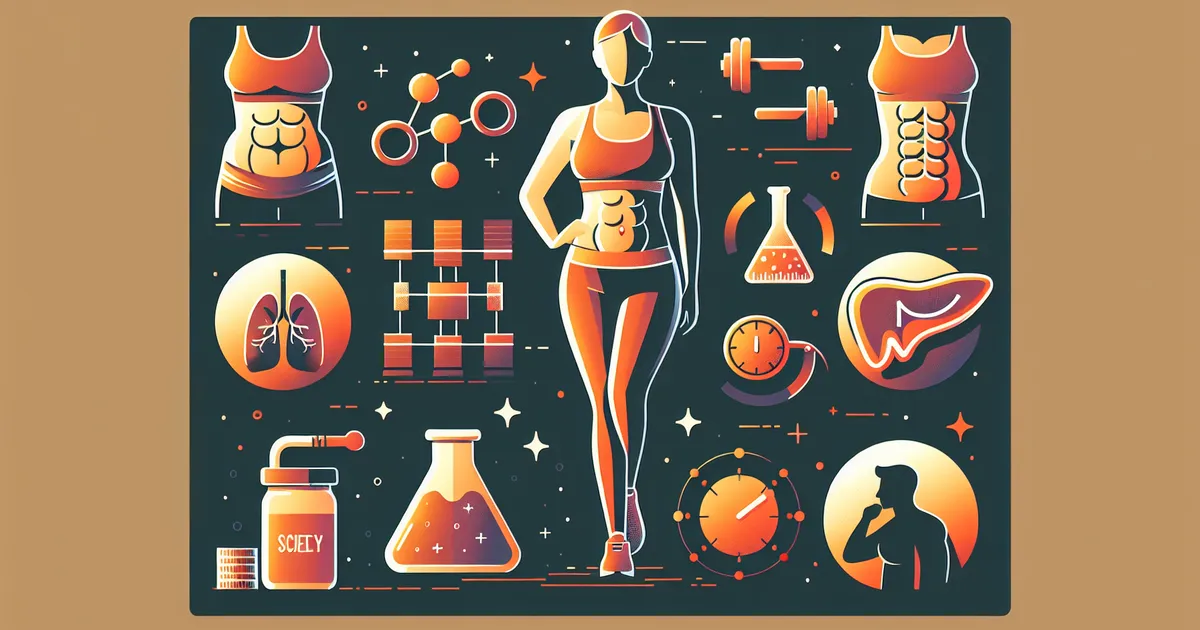
Losing belly fat is a common goal for many, but what does science actually say about achieving it? The quest to lose belly fat can be both challenging and confusing due to numerous myths and misconceptions. According to studies, focusing on overall fat reduction and lifestyle changes can lead to more sustainable results.
The science behind belly fat, specifically visceral fat, is complex. Unlike subcutaneous fat, visceral fat is stored around the organs, and losing it requires a combination of diet, exercise, and lifestyle changes. This article will explore evidence-based strategies to help you navigate the process effectively.
TL;DR
To lose belly fat, focus on overall lifestyle changes including diet, exercise, and stress management. Targeting visceral fat specifically can improve health outcomes.
Try Our Calorie Calculator
Get personalized numbers based on your body and goals
Try the Calorie Calculator →Understanding Belly Fat and Its Types
Belly fat is not just one type of fat. It includes subcutaneous fat, which is under the skin, and visceral fat, which surrounds internal organs. According to research from the National Institutes of Health, visceral fat is more metabolically active and has stronger links to health issues like diabetes and heart disease.
Visceral fat is particularly concerning because it can affect hormone functions and increase inflammation in the body. It's important to differentiate between these types of fat to understand which strategies may be most effective in reducing them.
Measuring waist circumference can be a useful indicator of visceral fat levels. A waist measurement greater than 35 inches for women and 40 inches for men is considered high, based on guidelines from the Mayo Clinic.
- Subcutaneous fat is under the skin.
- Visceral fat surrounds internal organs.
The Myth of Spot Reduction
One of the most pervasive myths in fitness is the concept of spot reduction—the idea that you can lose fat in a specific area by exercising that part of the body. However, a comprehensive study published in the Journal of Sports Medicine in 2024 found no evidence to support this theory.
Fat loss occurs more broadly across the body, and is influenced by genetics, diet, and overall physical activity levels. Engaging in full-body workouts combined with a balanced diet is more effective than trying to target one area.
Incorporating exercises that build core strength can improve muscle tone but won't specifically target belly fat. Planks, for example, are great for overall core stability but won't lead to spot reduction.
- Spot reduction is a myth.
- Focus on full-body workouts.
Dietary Changes to Lose Belly Fat
Nutrition plays a critical role in fat loss. A 2023 study from Harvard Health recommends a diet rich in whole grains, lean proteins, and healthy fats to combat visceral fat. Foods such as avocados, nuts, and olive oil provide healthy fats that can improve satiety and metabolic health.
Reducing sugar intake is also crucial. Excessive sugar, especially from sugary drinks, can lead to increased abdominal fat. Opt for water, herbal teas, or other low-calorie beverages instead.
Using tools like FitFixLife's Calorie Calculator can help determine your daily caloric needs for weight loss. For those seeking halal-certified meal options, there are numerous meal plans available that align with dietary preferences.
- Focus on whole grains and lean proteins.
- Reduce sugar intake.
Exercise Strategies for Fat Loss
Exercise is essential for losing belly fat. According to the World Health Organization, adults should aim for at least 150 minutes of moderate-intensity exercise per week. Incorporating both aerobic and resistance training can maximize fat loss.
High-intensity interval training (HIIT) has been shown to be particularly effective in reducing visceral fat. Short bursts of intense activity followed by rest periods can boost metabolism and fat burning.
Strength training is also critical, as it helps build lean muscle mass, which can increase resting metabolic rate. Including exercises that engage multiple muscle groups, such as squats and deadlifts, can be particularly beneficial.
- Aim for 150 minutes of exercise weekly.
- Include HIIT and strength training.
The Role of Stress and Sleep in Belly Fat
Stress and sleep are often overlooked but are crucial components in the battle against belly fat. Chronic stress can lead to elevated cortisol levels, which have been linked to increased visceral fat deposits.
Prioritizing stress management techniques, such as meditation or yoga, can have a positive impact. Additionally, ensuring adequate sleep is vital. Research from the National Sleep Foundation indicates that adults should aim for 7-9 hours of sleep per night to support metabolic health.
Improving sleep hygiene, like maintaining a consistent sleep schedule and creating a restful environment, can contribute to better overall health and aid in fat loss.
- Manage stress to control cortisol.
- Aim for 7-9 hours of sleep per night.
Frequently Asked Questions
No, targeting belly fat with specific exercises is a myth. Fat loss tends to occur throughout the body, and spot reduction has not been supported by scientific evidence.
Foods rich in healthy fats, like avocados and nuts, along with whole grains and lean proteins, can help reduce visceral fat. Reducing sugar intake is also beneficial.
Stress increases cortisol levels, which can lead to increased visceral fat. Managing stress through techniques like meditation can help mitigate this effect.
Yes, HIIT may be highly effective for losing belly fat. It combines short bursts of intense exercise with rest periods, potentially boosting metabolism and fat burning.
Inadequate sleep can disrupt metabolism and increase hunger hormones, contributing to weight gain. Aim for 7-9 hours of quality sleep to support fat loss.
The Bottom Line
Losing belly fat requires a comprehensive approach that includes dietary changes, regular exercise, and stress management. By understanding the science behind belly fat and applying evidence-based strategies, you can make meaningful progress toward your health goals.
Kazi Habib
B.Pharm · MBA · PMP · Digital Marketing, York University
Kazi Habib is the founder of FitFixLife. With over 10 years in pharmaceutical and life sciences marketing, a Digital Marketing certification from York University (Toronto), and hands-on experience launching nutraceutical products at Beximco Pharmaceuticals — including science-backed meal replacers for weight management and diabetic nutrition — he brings regulated product development, clinical data analysis, and evidence-based content standards to every tool and article on this site.
Connect on LinkedIn →No spam. Unsubscribe anytime.
Related Articles
Calorie Deficit vs. Surplus: Which Is Right for Your Goal?
Should you eat less or eat more? This guide explains when to cut, when to bulk, and how to set the right calorie target for fat loss or muscle gain.
Body Recomposition: How to Lose Fat and Build Muscle at the Same Time
Body recomp is possible for the right people. Learn who can do it, how to set up your calories and protein, the training principles that drive it, and realistic timelines.
How to Calculate Your Maintenance Calories (Step-by-Step)
Learn how to find your TDEE using the Mifflin-St Jeor equation. Understand what maintenance calories are and how to use them for fat loss or muscle gain.
Try These Free Tools
Disclaimer: This article is for informational purposes only and does not constitute medical advice. Always consult a qualified healthcare professional before making changes to your diet, exercise, or supplement routine.