Meal Prep for Fat Loss: How to Stay in a Deficit Without the Stress
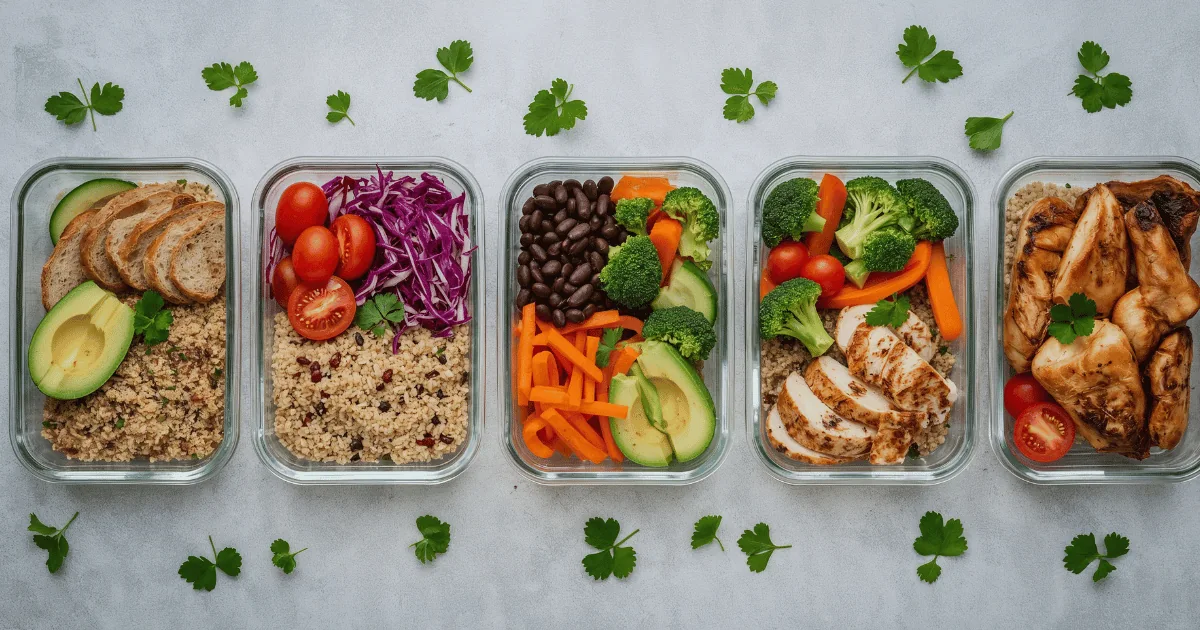
The number one reason diets fail is not lack of knowledge. It is lack of preparation. When you are hungry, tired, and there is nothing ready to eat, the easiest option wins. And the easiest option is almost always higher in calories than you planned. Meal prepping removes that daily decision fatigue and puts you in control of your nutrition before hunger takes over.
Why Meal Prep Works for Fat Loss
Fat loss requires a sustained calorie deficit. That means eating fewer calories than you burn, consistently, over weeks and months. Meal prepping supports this in three powerful ways: it gives you precise control over portions and calories, it eliminates impulsive eating decisions, and it saves time during the week so you are less likely to order takeout. When your meals are already made, sticking to the plan becomes the path of least resistance.
Step 1: Calculate Your Calorie Target
Before you start cooking, you need to know how many calories you should eat. Use a TDEE calculator to find your maintenance calories, then subtract 300-500 calories for a moderate deficit. This is the range that preserves muscle while allowing steady fat loss of 0.5-1 pound per week. Extreme deficits lead to muscle loss, metabolic slowdown, and eventual rebound.
Quick math: If your maintenance calories are 2,200 per day and you want to lose about one pound per week, aim for 1,700-1,900 calories daily. Split that across your meals and you know exactly what each container needs to deliver.
Step 2: Plan Your Meals Around Protein
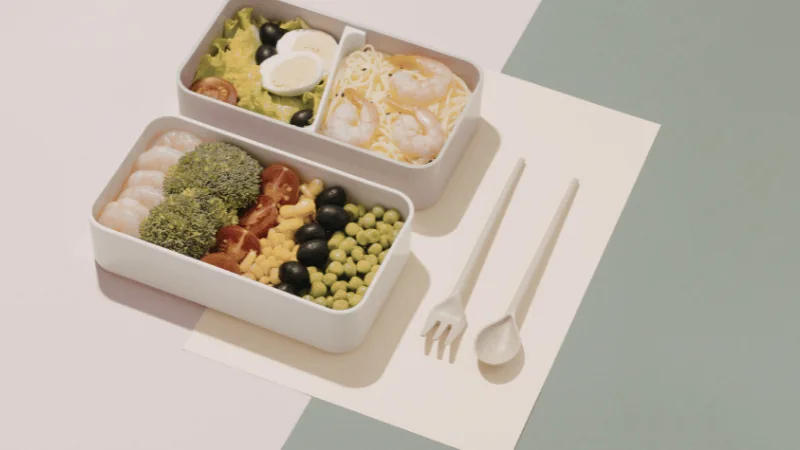
Protein is the most important macronutrient during fat loss. It preserves lean muscle mass, keeps you feeling full, and has the highest thermic effect (your body burns more calories digesting protein than carbs or fat). Aim for 0.7-1.0 grams of protein per pound of body weight per day. Build each meal around a protein source first, then add vegetables and a moderate portion of complex carbs or healthy fats.
- Lean proteins: Chicken breast, turkey, lean ground beef, white fish, egg whites, Greek yogurt, tofu
- Complex carbs: Brown rice, sweet potatoes, oats, quinoa, whole grain bread
- Vegetables: Broccoli, spinach, bell peppers, zucchini, asparagus — high volume, low calorie, high fiber
- Healthy fats: Olive oil, avocado, nuts (in measured portions since fats are calorie-dense)
Step 3: Batch Cook on One Day
Pick one day per week (Sunday works well for most people) to cook in bulk. Cook large batches of two to three protein sources, two to three carb sources, and roast a sheet pan of mixed vegetables. Let everything cool, then portion into containers for the week. This typically takes 1.5 to 2 hours and covers Monday through Friday with minimal effort during the week.
Sample Batch Cook Session
- 2 lbs chicken breast (baked at 400F for 22 min)
- 1 lb lean ground turkey (pan-cooked with seasoning)
- 4 cups brown rice (rice cooker)
- 2 lbs sweet potatoes (cubed and roasted)
- 2 sheet pans of mixed vegetables (broccoli, peppers, onions)
Step 4: Portion and Store
Use a food scale for the first few weeks until you can eyeball portions accurately. Weigh your protein, measure your carbs, and divide vegetables generously (they are low calorie and high volume). Store meals in airtight glass or BPA-free plastic containers. Most cooked meals stay fresh in the fridge for 4-5 days. If you prep more than five days worth, freeze the extras and thaw as needed.
Tips to Avoid Meal Prep Burnout
- Rotate seasonings — Same chicken, different flavor profiles. Italian, Mexican, Asian-inspired — seasoning variety prevents boredom.
- Prep ingredients, not full meals — Some people prefer having cooked components ready to assemble fresh. This gives more flexibility while still saving time.
- Allow one flexible meal — Having one unprepped meal per day (like dinner) gives you something to look forward to and makes the plan sustainable. Keep high protein snacks on hand for those moments between meals.
Find your ideal calorie and macro targets
Free calorie and macro calculator — no sign-up required
Try the Calorie CalculatorKazi Habib
B.Pharm · MBA · PMP · Digital Marketing, York University
Kazi Habib is the founder of FitFixLife. With over 10 years in pharmaceutical and life sciences marketing, a Digital Marketing certification from York University (Toronto), and hands-on experience launching nutraceutical products at Beximco Pharmaceuticals — including science-backed meal replacers for weight management and diabetic nutrition — he brings regulated product development, clinical data analysis, and evidence-based content standards to every tool and article on this site.
Connect on LinkedIn →No spam. Unsubscribe anytime.
Related Articles
Calculate Your Maintenance Calories (3 Methods + Free Calculator)
Free TDEE calculator + 3 proven methods to find maintenance calories. Activity multipliers, tracking tips & 2-week adjustment protocol.
Macros Explained: Beginner's Guide to Protein, Carbs & Fat
What are macros and why do they matter? Simple breakdown of how to calculate protein, carbs & fat for your body and goals.
Try These Free Tools
Disclaimer: This article is for informational purposes only and does not constitute medical advice. Always consult a qualified healthcare professional before making changes to your diet, exercise, or supplement routine.