Understanding Macros for Beginners: Protein, Carbs, Fat (2026)
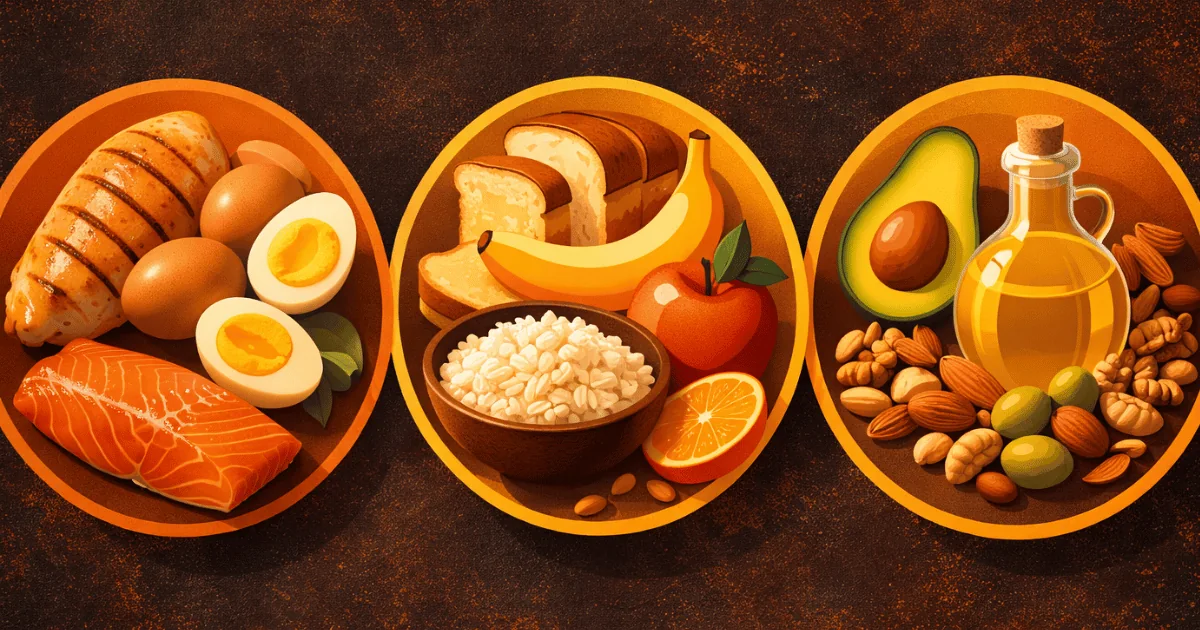
Macronutrients (macros) are the three energy-providing components of food: protein, carbohydrate, and fat. Calories come from these three (plus alcohol). Tracking macros is more useful than tracking calories alone because body composition outcomes depend on the split, not just the total. The ISSN protein position stand and the Morton 2018 meta-analysis in BJSM converge on a clear framework: protein at 1.6-2.2 g per kg body weight for trainees, fat at 0.7-1.0 g/kg to protect hormones, carbs filling the rest based on goal.
TL;DR
- Protein: 1.6-2.2 g/kg body weight if you train. The Morton 2018 plateau is around 1.6 g/kg with diminishing returns above 2.2.
- Fat: 0.7-1.0 g/kg. Below 0.6 g/kg sustained, testosterone and reproductive hormones drop in both sexes.
- Carbs: fill the rest. 3-6 g/kg for general training, 6-10 g/kg for endurance athletes.
- Distribute protein across 3-4 meals at 25-40 g each for MPS.
- Halal Canadian anchors: Costco rotisserie chicken, Kirkland Greek yogurt, M&M halal beef, T&T frozen tilapia.
Why trust this guide
I am Kazi Habib, B.Pharm, MBA, PMP, 10+ years across pharmaceutical sciences and life-sciences marketing, founder of FitFixLife and PharmoniQ. I have personally tracked macros across 4 years of structured nutrition phases. The framework below comes from peer-reviewed sports nutrition literature plus repeated Canadian grocery basket sourcing for halal-compliant macro hitting.
Protein: the most-important macro to nail
Protein drives muscle protein synthesis (MPS), satiety, and lean mass preservation in a deficit. The Morton 2018 meta-analysis in BJSM pooled 49 RCTs and found the plateau for muscle-building protein intake at 1.62 g/kg (95% CI 1.03-2.20). The Schoenfeld & Aragon 2018 review in J Int Soc Sports Nutr recommends distributing protein across 3-4 meals at 0.4 g/kg per meal (about 25-40 g per meal for most adults) to maximize MPS opportunity.
Practical targets by goal:
- General training: 1.6-2.0 g/kg/day.
- Fat loss (preserve muscle): 2.0-2.7 g/kg/day.
- Muscle gain: 1.6-2.0 g/kg/day.
- Endurance athletes: 1.4-1.7 g/kg/day.
Fat: protect hormones, do not over-cut
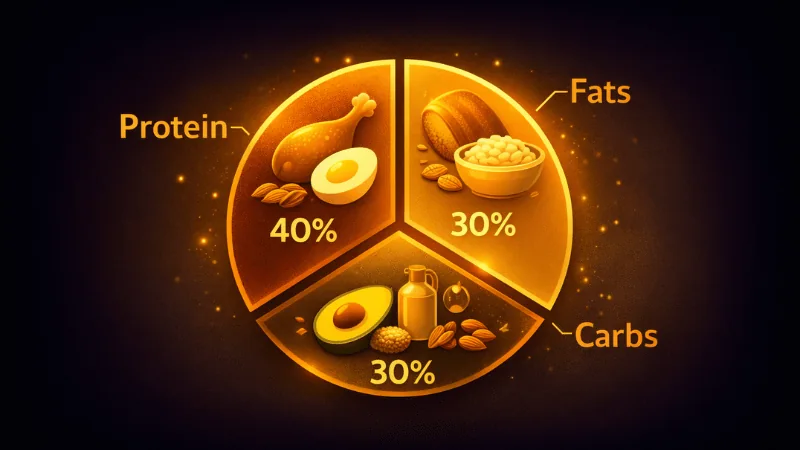
Fat below 0.6 g/kg sustained drops testosterone and reproductive hormone levels in both sexes. 0.7-1.0 g/kg is the safe lower bound; most adults function well at 0.8-1.0 g/kg. Sources matter for satiety and micronutrient profile: olive oil, avocado, nuts, fatty fish, eggs, whole-milk dairy. Skip the ultra-low-fat dieting fad; it costs hormones and satiety with no fat-loss advantage at matched calories.
Carbs: the flexible macro
Carbohydrate is the macro that absorbs the calorie target after protein and fat are set. For general training adults: 3-6 g/kg/day. For endurance athletes in heavy training blocks: 6-10 g/kg/day. For ketogenic dieters: under 50 g/day. Most adults function well at the 4-6 g/kg range for general training. Anchor carbs in whole-food sources (rice, oats, potatoes, fruit, legumes) for the fibre and micronutrient profile.
The Canadian halal macro basket
Practical halal-compliant macro sources at Canadian grocery prices:
- Protein anchors: Costco halal-certified chicken breast, Kirkland Greek yogurt (2%), cottage cheese, eggs, M&M halal ground beef, T&T frozen tilapia, canned tuna.
- Carb anchors: brown rice, white rice, oats (Costco or Bulk Barn), potatoes, sweet potatoes, lentils, PC chickpeas, fruit.
- Fat anchors: olive oil, avocado, almonds, peanut butter, whole eggs, salmon.
Common beginner mistakes
- Eyeballing portions. Spend 30 minutes weighing 4-7 days of typical meals on a kitchen scale. The calibration is one of the most useful nutrition skills.
- Undercounting liquid calories. Smoothies, lattes, juices add 200-500 kcal/day for many beginners without showing up in food logs.
- Protein under-distribution. Spread protein across 4 meals at 25-40 g each, not 80 g in one dinner.
- Ignoring fibre. Most adults need 25-38 g/day from whole-food carb sources.
- The kidney-damage myth. The Antonio 2015 trial took trained adults to 3.4 g/kg for a year with no kidney function changes. Healthy adults have no clinical concern at 1.6-2.7 g/kg.
The pharmacist take on tracking and supplements
Tracking is a tool. Phase 1: two weeks of strict tracking to calibrate (weigh everything, log all drinks). Phase 2: build 3-5 repeatable meal templates that hit your targets without tracking. Phase 3: track only when something changes (new goal, new training phase, plateau). Protein powder is a convenience tool, not a requirement; if appetite or schedule makes whole-food protein hard, 25-30 g whey or vegan blend is a useful bridge.
Bottom line
Macros for a beginner are three numbers per day in g/kg of body weight: protein 1.6, fat 0.7-1.0, carbs filling remaining calories. Anchor four meals at 25-40 g protein each. Eat mostly whole foods, plus a daily protein shake if appetite or schedule makes it hard.
Run your numbers through the FitFixLife macro calculator. For the next step, see how to calculate maintenance calories and calorie deficit vs surplus.
Frequently Asked Questions
No. Macros average across days, not lock per meal. Hitting the daily protein target within 10-15% is plenty for muscle outcomes. Hitting weekly average within 5% is the cleaner discipline framework.
IIFYM is correct in the narrow technical sense (calories and macros drive most body composition outcomes) and incomplete in the broader nutritional sense (food quality drives micronutrient adequacy, fibre, satiety). The honest answer is roughly 80% whole foods, 20% flexible, with the macros adding up daily.
Functionally, no, for healthy adults at the standard 1.6-2.7 g/kg range. The Antonio 2015 trial took trained adults to 3.4 g/kg for a year with no kidney function changes and improved body composition. For most readers, the practical upper limit is 2.2-2.7 g/kg in a cut.
For most people, no. The total daily intake dominates timing. There is a small case for carbs around the training window to fuel performance and support glycogen resynthesis, but the effect is most relevant for high-volume athletes.
The protein target stays the same; the sourcing changes. Plant proteins are lower in leucine per gram, so add 10-20% to the daily total when sourcing primarily from plants. Anchor at least three meals per day with a complete protein source (soy, hemp, or combined complementary plant proteins).
Not actively. If you eat a varied diet anchored in vegetables, fruits, whole grains, legumes, and quality animal or plant proteins, most micronutrient targets fall out for free. Exceptions: vitamin D in northern latitudes, omega-3 if fish intake is low, B12 if vegan, iron in menstruating women with low intake.
For fat loss: drop daily calories by 300-500 from maintenance, hold protein at 2.0-2.7 g/kg, fat at 0.7-1.0 g/kg, let carbs absorb the deficit. For muscle gain: add 200-400 calories above maintenance, protein at 1.6-2.0 g/kg, fat at 0.8-1.0 g/kg, carbs absorb the surplus.
The math is not complicated. Body weight in kg multiplied by protein and fat targets; remaining calories from carbs. The FitFixLife macro calculator handles this in seconds. Both work.
Kazi Habib
B.Pharm · MBA · PMP · Digital Marketing, York University
Kazi Habib is the founder of FitFixLife. With over 10 years in pharmaceutical and life sciences marketing, a Digital Marketing certification from York University (Toronto), and hands-on experience launching nutraceutical products at Beximco Pharmaceuticals — including science-backed meal replacers for weight management and diabetic nutrition — he brings regulated product development, clinical data analysis, and evidence-based content standards to every tool and article on this site.
Connect on LinkedIn →No spam. Unsubscribe anytime.
Related Articles
How to Calculate Maintenance Calories (TDEE, Done Right)
Pharmacist guide to maintenance calories: Mifflin-St Jeor, Katch-McArdle, activity multipliers, NEAT, and the 14-day adjustment loop most calculators skip.
Complete Protein Intake Guide 2026 (Pharmacist + Halal)
Pharmacist guide to daily protein targets per body weight, halal protein sources, Canadian brand picks, and the RDA vs athletic-needs question settled by data.
Try These Free Tools
Disclaimer: This article is for informational purposes only and does not constitute medical advice. Always consult a qualified healthcare professional before making changes to your diet, exercise, or supplement routine.