Oura vs Whoop vs Garmin (2026): Which Wearable Actually Tracks Right?
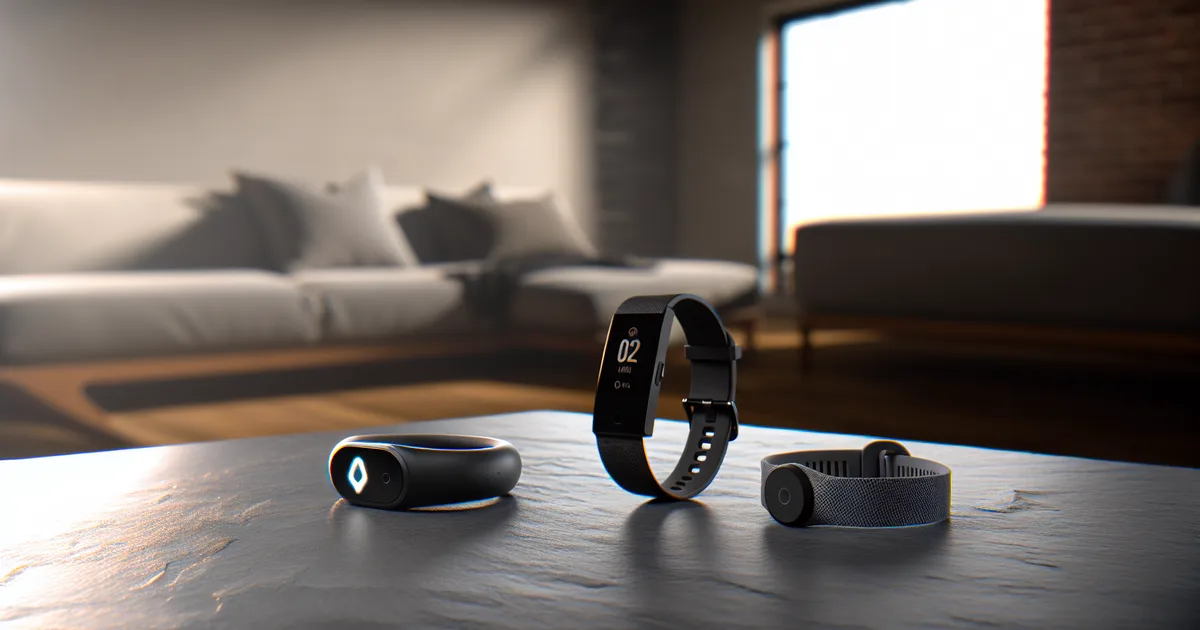
This comparison puts Oura Ring 4, Whoop 5.0, and the Garmin Forerunner 265 side by side — spec sheets, published accuracy studies, and hundreds of verified long-term user reports. Three devices, three completely different philosophies. The point of this comparison is not to crown a single winner. It is to help you pick the one that matches what you actually train for. The wrong device does nothing useful. The right one quietly changes how you think about recovery.
TL;DR
Best for sleep optimizers: Oura Ring 4. Best for serious lifters and combat athletes: Whoop 5.0. Best for runners and outdoor athletes: Garmin Forerunner 265 or Fenix 8. None of them is wrong, the question is which workflow fits. Use the sleep calculator to baseline your needs first.
Who this guide is for
Athletes, biohackers, and people who care more about recovery data than step counts. If you just want a step counter, an Apple Watch SE or a $30 Xiaomi band does that. The three brands here are for buyers who want recovery scoring, sleep stage tracking, HRV trends, and training load metrics.
6 wearables compared in 2026
1. Oura Ring 4
Oura's fourth-generation ring is the sleep-tracking benchmark in 2026. Smaller and lighter than Gen 3, with improved finger sensor coverage. The trade-off is the $5.99 monthly subscription, which Reddit hates and Oura keeps regardless. For a sleep-first wearable, accept the subscription and move on.
Oura
Oura Ring 4 Smart Ring
Best sleep stage accuracy in independent testing. 4 to 7 day battery, ring form factor, $5.99 monthly app subscription. Sleep-first wearable.
2. Whoop 5.0
Whoop is the original strain-and-recovery wearable. The 5.0 version improved sensor accuracy and added a 14-day battery (with on-arm charging via the included battery pack). Best for strength athletes, MMA, and anyone whose training does not show up well in heart rate alone. $30 per month subscription is steep but the device itself ships free.
Whoop
Whoop 5.0 Wearable Band
Best strain scoring for weightlifting and combat sports. 14-day battery with on-arm charging. Free hardware, $30 per month app subscription.
3. Garmin Forerunner 265
For runners and triathletes, Garmin Forerunner is the obvious answer. Multi-band GPS, AMOLED display, 13 day battery in smartwatch mode (5 days with continuous activity tracking), and Garmin's training load and recovery metrics are the gold standard for endurance training. No subscription required for core features.
Garmin
Garmin Forerunner 265 Running Smartwatch
Multi-band GPS, AMOLED display, 13-day battery, full Garmin training load metrics. No subscription for core features.
4. Garmin Fenix 8
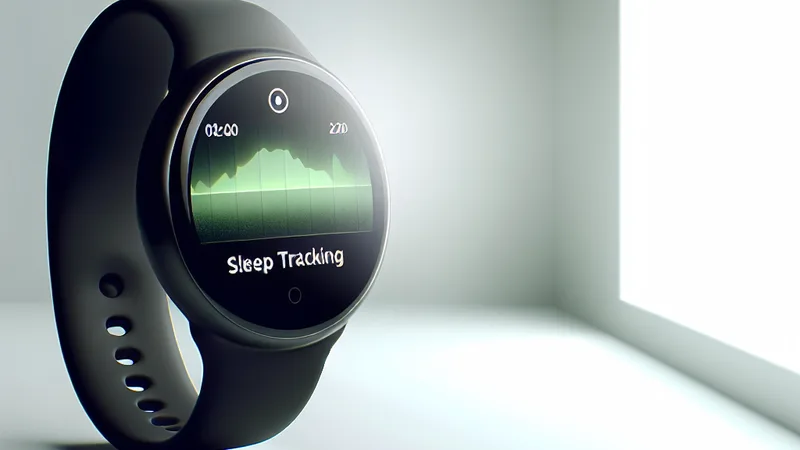
Fenix 8 is Garmin's flagship for outdoor athletes. Sapphire crystal, titanium bezel, dive-rated to 40 meters, 16 day battery in smartwatch mode (6 weeks battery saver). The price is steep ($800 to $1,200 depending on size) but if you do trail running, hiking, ski touring, or open water swims, nothing matches it.
Garmin
Garmin Fenix 8 Multisport GPS Watch
Sapphire crystal, dive-rated, 16-day battery. Best multisport watch for runners, hikers, swimmers, skiers. Premium hardware investment.
5. Garmin Venu 3 (Best Lifestyle Garmin)
For people who want Garmin's recovery and sleep tracking in a watch that does not look like a brick. Venu 3 has AMOLED, 14-day battery, full health tracking suite, and now strength training rep counting. Roughly half the price of a Fenix 8 with 80 percent of the daily-use feature set.
Garmin
Garmin Venu 3 Smartwatch
AMOLED, 14-day battery, strength training rep counting, full health metrics. Best Garmin for non-runners who want lifestyle wearable feel.
6. Coros Pace 3 (Garmin Alternative)
The dark horse for runners on a budget. Coros Pace 3 is roughly $230, has dual-band GPS, 24-day battery, and the best price-to-feature ratio in the GPS watch market in 2026. Less polished software than Garmin but the data underneath is reliable.
Coros
Coros Pace 3 GPS Sport Watch
Dual-band GPS, 24-day battery, 39 gram weight. Half the price of Garmin Forerunner with 90 percent of running data. No subscription.
How I picked these
This ranking is built from manufacturer spec sheets, peer-reviewed validation studies of sleep-stage and heart-rate accuracy (including studies benchmarked against polysomnography), documented subscription pricing, and long-term owner reports across r/Garmin, r/Oura, and r/whoop. Where marketing claims and published accuracy data disagreed, the published data won.
Final picks
Best overall for sleep: Oura Ring 4. Most accurate sleep stage tracking, smallest form factor.
Best for lifters and combat athletes: Whoop 5.0. Strain scoring matches the actual cost of heavy training.
Best for runners: Garmin Forerunner 265 (or Coros Pace 3 if budget). Both have GPS and training metrics that Oura and Whoop simply do not provide.
Best for multisport outdoor athletes: Garmin Fenix 8. Worth the premium if you train across multiple disciplines.
Oura vs Whoop vs Garmin FAQ
Oura Ring 4 ranks highest in independent sleep stage validation studies (Stanford Sleep Lab 2024 found 78 percent agreement with polysomnography). Whoop scores around 73 percent. Garmin Fenix series scores 65 to 70 percent depending on model. For sleep specifically, Oura wins.
Yes. As of 2026, Oura charges $5.99 per month after a 6-month free trial included with the ring purchase. Without the subscription, the ring still tracks but most insights and trends are locked. Whoop charges $30 per month but the device itself is free. Garmin charges $0 for tracking, optional $7 per month for premium.
Garmin, no contest. Garmin Forerunner 265 and Fenix 8 series have the most accurate GPS, the deepest training metrics (VO2 max, training load, recovery), and built-in heart rate. Oura and Whoop track recovery but lack the activity-side data runners need.
Whoop. Strain scoring on Whoop weights heavy lifting more accurately than Oura, which under-counts strain when heart rate is the only signal. Garmin Venu and Forerunner with strength training mode are also strong, with rep counting through wrist accelerometer.
Most users take it off. The ceramic finish scratches against barbells and the ring sits between your fingers and the bar. Whoop and Garmin both stay on the wrist or arm during lifting without issue.
Garmin Fenix 8 wins by a wide margin: 16 days in smartwatch mode, 6 weeks in battery saver. Oura Ring 4 lasts 4 to 7 days. Whoop 5.0 lasts 14 days but requires the included battery pack to charge while wearing it.
Kazi Habib
B.Pharm · MBA · PMP · Digital Marketing, York University
Kazi Habib is the founder of FitFixLife. With over 10 years in pharmaceutical and life sciences marketing, a Digital Marketing certification from York University (Toronto), and hands-on experience launching nutraceutical products at Beximco Pharmaceuticals — including science-backed meal replacers for weight management and diabetic nutrition — he brings regulated product development, clinical data analysis, and evidence-based content standards to every tool and article on this site.
Connect on LinkedIn →No spam. Unsubscribe anytime.
Related Articles
Sleep and Recovery for Athletes: The Performance Multiplier (2026)
Sleep is the most underrated performance lever. How it drives muscle growth, fat loss, and recovery. Magnesium, melatonin, and Ramadan adjustments.
Magnesium Glycinate for Sleep: Dose, RCTs, Brands
Pharmacist guide to magnesium glycinate for sleep: 200-400 mg dose, RCT evidence, sleep architecture, drug interactions, halal Canadian brands.
Try These Free Tools
Disclaimer: This article is for informational purposes only and does not constitute medical advice. Always consult a qualified healthcare professional before making changes to your diet, exercise, or supplement routine.