Best Supplements for Beginners: What Actually Works
The supplement industry is worth billions, and most of that money is spent on products that do very little. For every supplement with solid research behind it, there are dozens that rely on marketing hype, cherry-picked studies, and proprietary blends to justify their price tags. As a beginner, you do not need a cabinet full of pills and powders. You need the few that are actually proven to work, and you need to know how to read supplement labels to avoid wasting your money.
Tier 1: Strong Evidence (Worth Taking)
Creatine Monohydrate
Creatine is the most studied supplement in sports nutrition, with decades of research confirming its safety and effectiveness. Read our full creatine guide for a deep dive into dosing, timing, and forms. It increases your muscles' phosphocreatine stores, which helps produce more ATP during high-intensity exercise. The result is improved strength, power output, and training volume. Take 3-5 grams daily. No loading phase is necessary, though you can load with 20 grams per day for a week to saturate stores faster. Creatine monohydrate is the only form you need — it is the cheapest and most researched.
Protein Powder
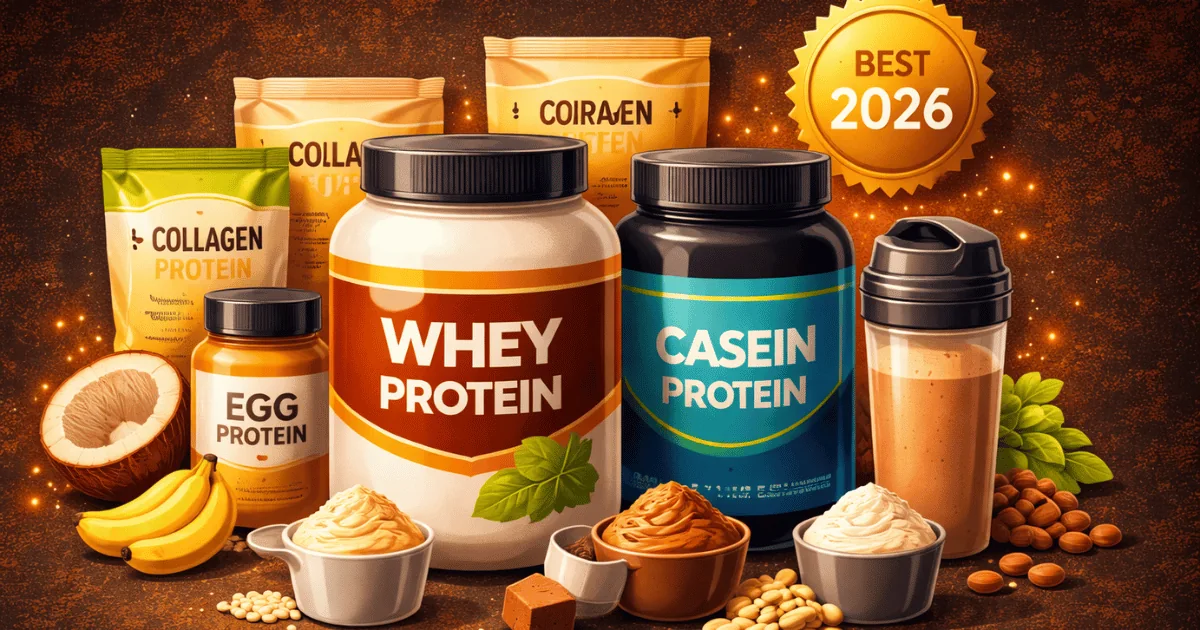
Protein powder is a convenience supplement, not a magic formula. If you can hit your protein target (0.7-1.0 grams per pound of body weight) through whole foods alone, you do not need it. Use our protein calculator to find your ideal daily target. But for many people, especially those on higher protein targets, a shake or two per day makes reaching that goal far easier. Whey protein is the gold standard for quality and absorption speed. Casein works well before bed. Plant-based blends (pea and rice protein) are solid alternatives for those avoiding dairy.

Vitamin D
If you live in a northern latitude, work indoors, or rarely get direct sun exposure, you are very likely deficient in vitamin D. Low vitamin D is linked to reduced muscle function, impaired immune response, and lower testosterone levels. A daily dose of 1,000-2,000 IU of vitamin D3 is safe and effective for most adults. If you suspect significant deficiency, get a blood test and work with your doctor on a higher therapeutic dose.
Tier 2: Moderate Evidence (Situationally Useful)
Caffeine
Caffeine is a proven performance enhancer. It increases alertness, reduces perceived effort, and can improve strength and endurance when taken 30-60 minutes before training. You do not need a pre-workout supplement for this — a cup of coffee (roughly 100mg caffeine) or a caffeine pill works just as well for a fraction of the cost. Effective doses range from 3-6mg per kilogram of body weight, but start low if you are caffeine-sensitive.
Omega-3 Fish Oil
If you eat fatty fish (salmon, sardines, mackerel) two or more times per week, you probably get enough omega-3s from food. If you do not, a fish oil supplement providing 1-2 grams of combined EPA and DHA per day supports heart health, reduces inflammation, and may support joint health and recovery. Look for products that are third-party tested for purity and list the specific EPA/DHA content.
Magnesium
Magnesium is involved in over 300 enzymatic reactions in the body, including muscle contraction and sleep regulation. Many athletes are mildly deficient due to sweat losses and insufficient dietary intake. Magnesium glycinate (200-400mg before bed) is the best-absorbed form and may also improve sleep quality.
What to Skip
- BCAAs — If you eat adequate protein, you already get enough branched-chain amino acids. BCAAs are redundant and overpriced.
- Fat burners — Most contain caffeine plus ineffective fillers. Save your money and just drink coffee.
- Testosterone boosters — Over-the-counter test boosters have no meaningful evidence of increasing testosterone levels. Training, sleep, and nutrition are far more impactful.
- Mass gainers — These are expensive bags of sugar and protein powder. You can make a higher quality, cheaper shake at home with oats, protein, milk, and peanut butter.
⚕️ Medical Disclaimer
This article is for informational purposes only and does not constitute medical advice. The content is not intended to diagnose, treat, cure, or prevent any disease. Always consult a qualified healthcare provider before starting or changing any supplements or nutrition strategies. Individual results may vary. See our full disclaimer for more information.
Compare supplements side-by-side before you buy
Honest reviews, third-party testing data, and price breakdowns
View Supplement ComparisonsKazi Habib
B.Pharm · MBA · PMP · Digital Marketing, York University
Kazi Habib is the founder of FitFixLife. With over 10 years in pharmaceutical and life sciences marketing, a Digital Marketing certification from York University (Toronto), and hands-on experience launching nutraceutical products at Beximco Pharmaceuticals — including science-backed meal replacers for weight management and diabetic nutrition — he brings regulated product development, clinical data analysis, and evidence-based content standards to every tool and article on this site.
Connect on LinkedIn →No spam. Unsubscribe anytime.
Related Articles
Creatine 101: Dosing, Timing, Loading & Side Effects Explained
3g or 5g? Loading or not? Before or after workout? Every creatine question answered with actual study references.
How to Read Supplement Labels Like a Pro (Spot Fillers & Red Flags)
Most labels confuse you on purpose. Decode serving sizes, prop blends, fillers & third-party testing claims in 5 minutes.
Try These Free Tools
Disclaimer: This article is for informational purposes only and does not constitute medical advice. Always consult a qualified healthcare professional before making changes to your diet, exercise, or supplement routine.