Calorie Deficit vs Surplus: Which Is Right for Your Goal?
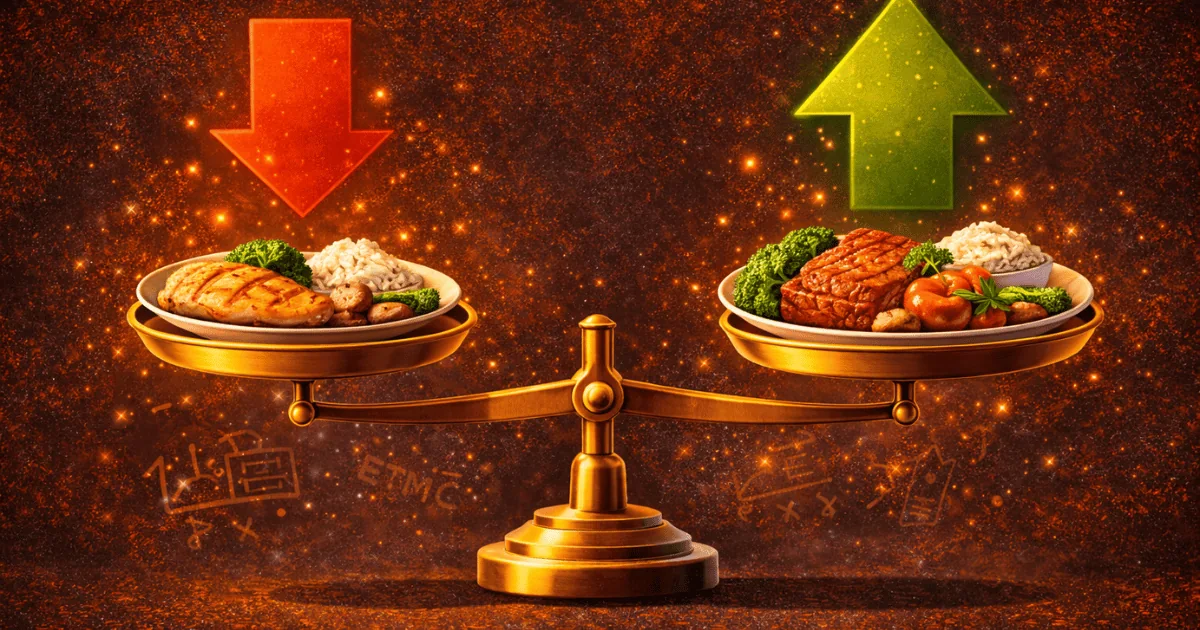
Every body composition goal boils down to one fundamental concept: the relationship between the calories you consume and the calories you burn. Eat less than you burn and you lose weight. Eat more and you gain weight. The direction you choose depends entirely on what you are trying to achieve. This guide explains when each approach makes sense and how to implement them effectively.
Understanding the Three States
Calorie Deficit (Cutting)
A calorie deficit means eating fewer calories than your body burns each day. Your body makes up the energy difference by tapping into stored fuel, primarily body fat. This is the only way to lose fat. No combination of foods, supplements, or meal timing can override this energy balance principle. A well-managed deficit preserves muscle while systematically reducing body fat over time.
Calorie Surplus (Bulking)
A calorie surplus means eating more calories than your body burns. The extra energy provides the raw materials needed to build new muscle tissue. While it is possible to gain small amounts of muscle in a deficit (especially for beginners), a surplus creates the optimal hormonal and nutritional environment for muscle growth. The trade-off is that some fat gain is inevitable during a surplus, which is why controlling the size of your surplus matters.
Maintenance
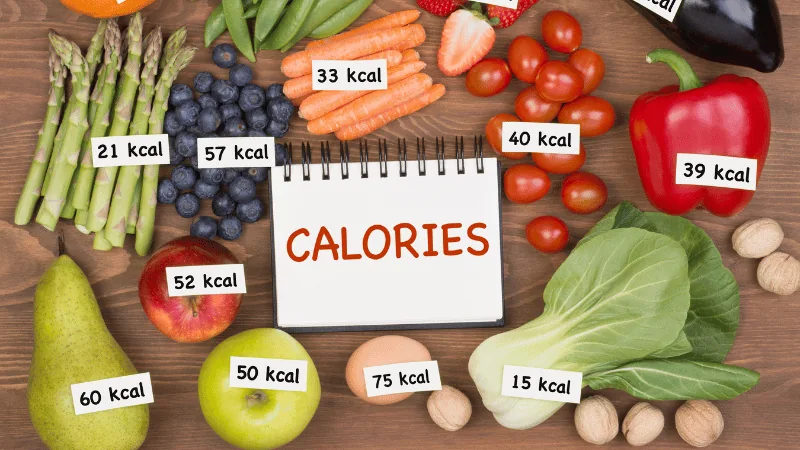
Eating at maintenance means your calories in roughly equal your calories out. Your weight stays stable. Maintenance phases are valuable for metabolic recovery after a long diet, for skill development in the gym, and as a baseline to measure from before starting a cut or bulk. If you are not sure what your maintenance number is, our guide to maintenance calories walks you through the math step by step.
When to Cut (Calorie Deficit)
- You want to lose body fat and get leaner
- Your body fat percentage is above where you want it to be
- You have a deadline (vacation, event, competition prep)
- You just finished a bulking phase and want to reveal the muscle you built
When to Bulk (Calorie Surplus)
- You are relatively lean and your primary goal is building muscle
- You have been training consistently and want to maximize strength gains
- You are an athlete who needs to move up a weight class or add size
- You feel comfortable gaining some body fat temporarily in exchange for faster muscle growth
Recommended Rates of Change
Going too aggressive in either direction leads to problems. Crash diets cause muscle loss. Excessive surpluses cause unnecessary fat gain. Planning your meal prep in advance makes it much easier to hit your targets consistently. Here are the sustainable rates:
For Fat Loss (Deficit)
- Moderate deficit — 300-500 calories below maintenance. Expect to lose about 0.5 to 1 pound (0.25-0.5 kg) per week. Best for preserving muscle.
- Aggressive deficit — 500-750 calories below maintenance. Faster results but higher risk of muscle loss, hunger, and diet fatigue. Best used short-term.
- Never go below safe minimums — 1,200 kcal/day for women, 1,500 kcal/day for men, regardless of your calculated deficit.
For Muscle Gain (Surplus)
- Lean bulk — 200-300 calories above maintenance. Slower muscle gain but minimal fat gain. Ideal for experienced lifters.
- Standard bulk — 300-500 calories above maintenance. Faster muscle growth with moderate fat gain. Good for beginners and intermediates.
What About Body Recomposition?
Body recomposition means losing fat and gaining muscle at the same time. It is possible but works best in specific situations: beginners with significant fat to lose, detrained individuals returning after a break, or people who are overfat but new to resistance training. The process is slower than a dedicated cut or bulk, but the visual results can be dramatic because you are changing your body composition even if the scale does not move much.
For recomp, eat at or just slightly below maintenance with high protein (2.0+ g/kg), train with progressive overload, and prioritize sleep. Track progress with photos, measurements, and strength numbers rather than the scale.
Find your calorie target for cutting, bulking, or maintenance
Personalized ranges based on your stats and goal
Frequently Asked Questions
Most fat loss phases should last 8-16 weeks, followed by a maintenance period of at least 4-8 weeks. Prolonged deficits beyond 16 weeks increase the risk of metabolic adaptation, muscle loss, and psychological fatigue. Taking diet breaks helps maintain metabolic rate and adherence.
Common reasons include: underestimating food intake (not weighing portions), overestimating exercise calories burned, water retention masking fat loss (especially in the first 2 weeks or during stress), or the deficit being smaller than calculated. Track accurately for 2-3 weeks before adjusting.
Kazi Habib
B.Pharm · MBA · PMP · Digital Marketing, York University
Kazi Habib is the founder of FitFixLife. With over 10 years in pharmaceutical and life sciences marketing, a Digital Marketing certification from York University (Toronto), and hands-on experience launching nutraceutical products at Beximco Pharmaceuticals — including science-backed meal replacers for weight management and diabetic nutrition — he brings regulated product development, clinical data analysis, and evidence-based content standards to every tool and article on this site.
Connect on LinkedIn →No spam. Unsubscribe anytime.
Related Articles
Calculate Your Maintenance Calories (3 Methods + Free Calculator)
Free TDEE calculator + 3 proven methods to find maintenance calories. Activity multipliers, tracking tips & 2-week adjustment protocol.
Macros Explained: Beginner's Guide to Protein, Carbs & Fat
What are macros and why do they matter? Simple breakdown of how to calculate protein, carbs & fat for your body and goals.
Try These Free Tools
Disclaimer: This article is for informational purposes only and does not constitute medical advice. Always consult a qualified healthcare professional before making changes to your diet, exercise, or supplement routine.