How Much Protein Do You Need? Complete Guide (With Calculator)
Protein is the most talked-about macronutrient in fitness, and for good reason. It is essential for building and repairing muscle tissue, supporting immune function, producing hormones and enzymes, and keeping you feeling full between meals. Whether you are trying to build muscle, lose fat, or both, getting your protein intake right is one of the highest-leverage changes you can make to your diet.
Why Protein Matters
Every cell in your body contains protein. When you exercise, especially resistance training, you create micro-tears in muscle fibers. Protein provides the amino acids your body needs to repair those fibers and build them back stronger. Beyond muscle, protein has the highest thermic effect of food among the three macronutrients, meaning your body burns more calories digesting it compared to carbs or fat. It also promotes satiety, helping control appetite during a calorie deficit.
How Much Protein Do You Need?
The right amount depends on your goal, training intensity, and body composition. Here are the research-backed ranges expressed in grams per kilogram of body weight per day:
- Sedentary adults (general health) — 0.8 g/kg. This is the minimum to prevent deficiency, not the optimal amount for active people.
- Active individuals (maintenance) — 1.2 to 1.6 g/kg. Enough to support regular exercise and maintain lean mass.
- Muscle growth (bulking) — 1.6 to 2.2 g/kg. The range most supported by meta-analyses for maximizing muscle protein synthesis.
- Fat loss (cutting) — 1.8 to 2.7 g/kg. Higher protein during a deficit helps preserve muscle mass while losing fat.
Protein Timing: Does It Matter?
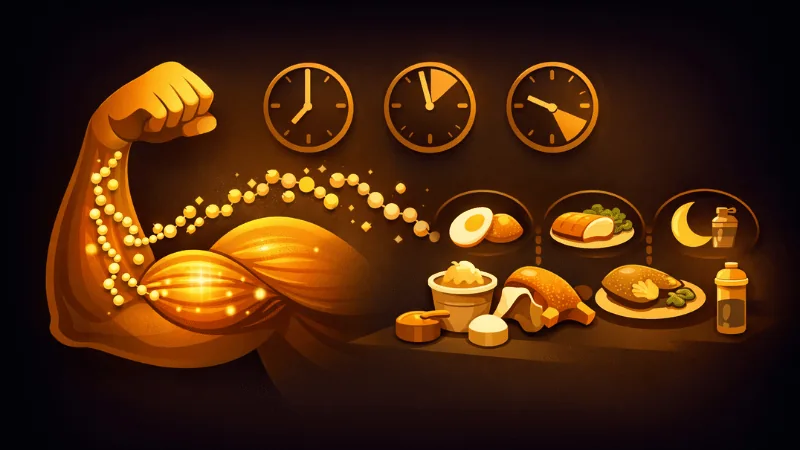
Total daily protein intake matters far more than timing. That said, distributing protein across 3 to 5 meals throughout the day appears to be slightly more effective for muscle protein synthesis than consuming the same amount in one or two large meals. Aim for 20 to 40 grams per meal. The post-workout anabolic window is real but much wider than the 30-minute myth suggests. As long as you eat a protein-rich meal within a few hours of training, you are covered.
Best Protein Sources
Whole Food Sources
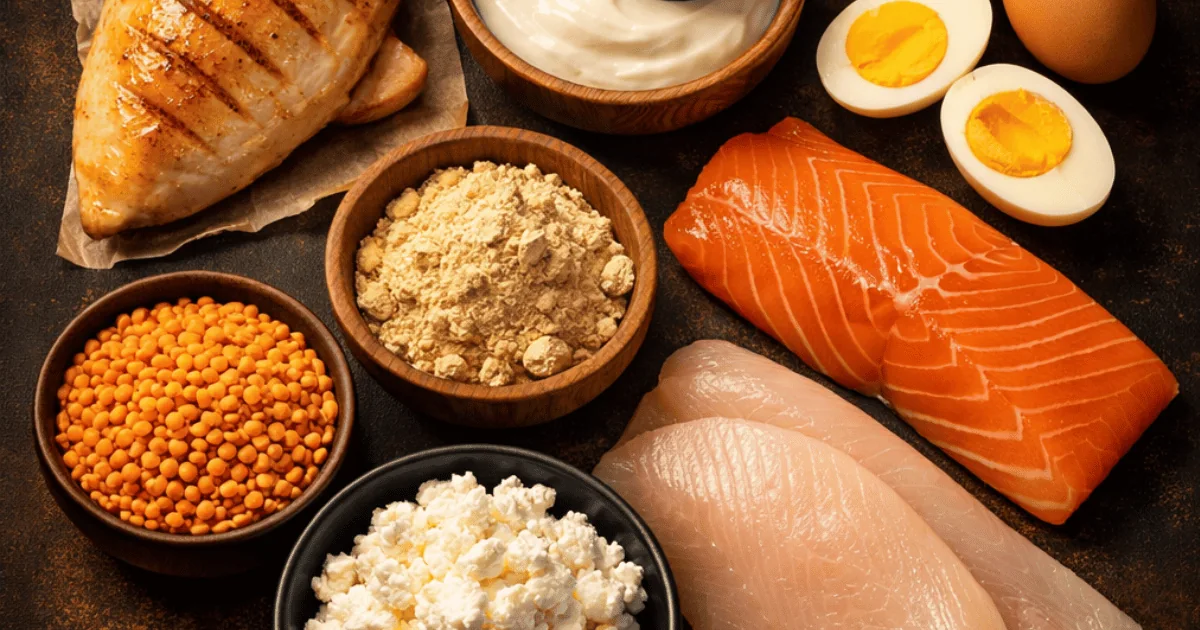
- Chicken breast, turkey, and lean beef
- Fish and seafood (salmon, tuna, shrimp)
- Eggs and egg whites
- Greek yogurt and cottage cheese
- Lentils, chickpeas, tofu, and tempeh
Supplements vs Whole Food
Protein supplements are a convenience tool, not a requirement. Whey protein is the most studied and offers a complete amino acid profile with fast absorption. Casein digests more slowly and can be useful before bed. Plant-based options like pea and rice protein blends can match whey when combined properly. The best protein is the one you will actually consume consistently. If you struggle to hit your daily target through food alone, a quality protein powder can fill the gap.
Find your optimal daily protein target
Personalized to your body weight, goal, and activity level
Signs You Are Not Getting Enough Protein
- Slow recovery from workouts or persistent soreness
- Losing strength despite consistent training
- Constant hunger and cravings, especially during a cut
- Hair thinning, brittle nails, or frequent illness
If any of these sound familiar, calculate your current intake and compare it against the ranges above. Even a modest increase can make a noticeable difference within a few weeks.
⚕️ Medical Disclaimer
This article is for informational purposes only and does not constitute medical advice. The content is not intended to diagnose, treat, cure, or prevent any disease. Always consult a qualified healthcare provider before starting or changing any supplements or nutrition strategies. Individual results may vary. See our full disclaimer for more information.
Frequently Asked Questions
Animal proteins (chicken, fish, eggs, dairy) are complete proteins with all essential amino acids. For plant-based eaters, combining legumes with grains (rice and beans) provides a complete amino acid profile. Whey protein is the most researched supplement for muscle protein synthesis.
The post-workout anabolic window is much wider than previously thought — up to several hours. Total daily protein intake matters far more than exact timing. That said, having protein within 2-3 hours of training is a sensible practice for convenience and recovery.
Absolutely. Whole foods like chicken breast (31g per 100g), Greek yogurt (10g per 100g), eggs (6g each), lentils (9g per 100g cooked), and tofu (8g per 100g) can easily meet protein needs. Supplements are a convenience tool, not a requirement.
Kazi Habib
B.Pharm · MBA · PMP · Digital Marketing, York University
Kazi Habib is the founder of FitFixLife. With over 10 years in pharmaceutical and life sciences marketing, a Digital Marketing certification from York University (Toronto), and hands-on experience launching nutraceutical products at Beximco Pharmaceuticals — including science-backed meal replacers for weight management and diabetic nutrition — he brings regulated product development, clinical data analysis, and evidence-based content standards to every tool and article on this site.
Connect on LinkedIn →No spam. Unsubscribe anytime.
Related Articles
Best Protein Powder in 2026: An Honest Buying Guide
We compared dozens of protein powders on ingredients, taste, value, and third-party testing. Here are our top picks for every goal and budget.
Macros Explained: Beginner's Guide to Protein, Carbs & Fat
What are macros and why do they matter? Simple breakdown of how to calculate protein, carbs & fat for your body and goals.
Try These Free Tools
Disclaimer: This article is for informational purposes only and does not constitute medical advice. Always consult a qualified healthcare professional before making changes to your diet, exercise, or supplement routine.