Creatine 101: Dosing, Timing, Loading & Side Effects Explained
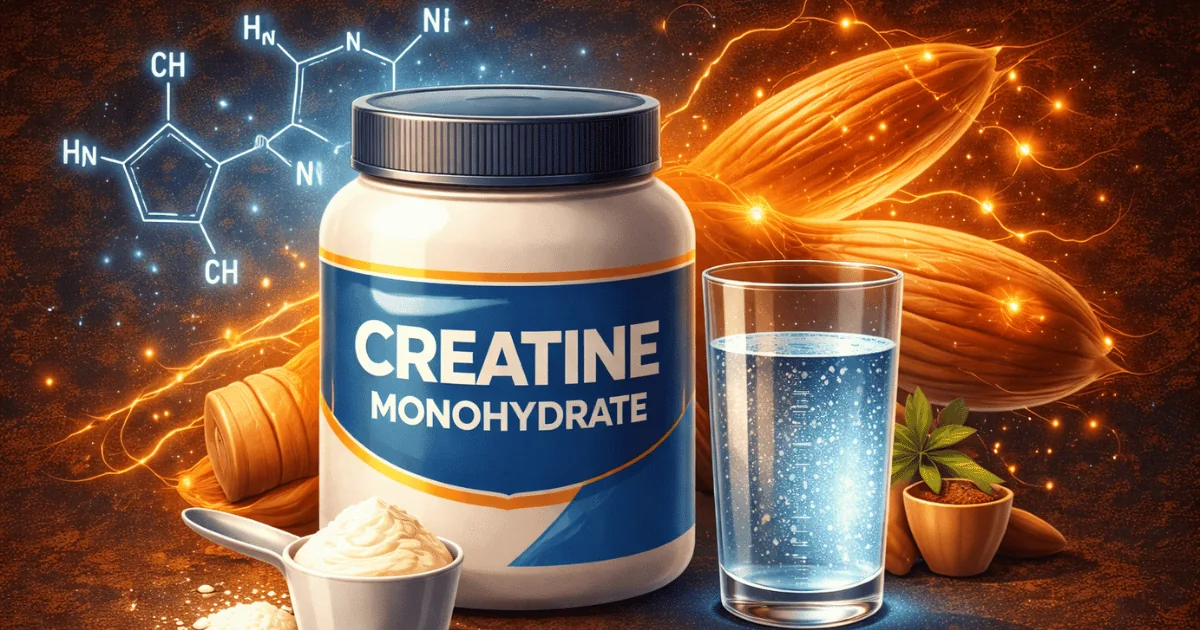
Creatine is the most well-researched sports supplement in the world, with decades of studies confirming its effectiveness and safety. Despite this, misconceptions about creatine persist. This guide covers exactly what creatine does, how to take it, which form to choose, and whether it makes sense for you. We also cover creatine for women and halal creatine options in separate guides.
What Creatine Does
Creatine is a naturally occurring compound found in muscle cells. Your body produces it from amino acids (glycine, arginine, and methionine), and you also get small amounts from red meat and fish. Creatine helps regenerate adenosine triphosphate (ATP), the primary energy currency your muscles use during short, high-intensity efforts like sprints, heavy lifts, and jumps. Supplementing with creatine saturates your muscle stores, giving you access to more energy during those critical moments. The practical result is the ability to perform a few extra reps or maintain power output slightly longer, which over weeks and months of training translates to measurably greater strength and muscle gains.
Loading vs. Maintenance Dosing
There are two common approaches to creatine supplementation:
- Loading phase — Take 20g per day (split into 4 doses of 5g) for 5 to 7 days. This saturates muscle creatine stores quickly. Then switch to 3-5g daily for maintenance.
- Skip the loading phase — Take 3-5g daily from the start. You will reach full saturation in about 3 to 4 weeks instead of one week. The end result is identical. This approach avoids the bloating some people experience during loading.
Both approaches reach the same level of muscle saturation. The loading phase is simply faster. For most people, there is no practical advantage to loading unless you need results within the first week.

Monohydrate vs. Other Forms
Creatine monohydrate is the gold standard. It has the most research behind it, the best-proven effectiveness, and it is also the cheapest form available. Other forms you may encounter include:
- Creatine HCl — Marketed as more soluble and requiring smaller doses. While it does dissolve more easily in water, there is no evidence it is more effective than monohydrate.
- Buffered creatine (Kre-Alkalyn) — Claims to be better absorbed due to higher pH. Research shows no advantage over monohydrate.
- Creatine ethyl ester — Actually shown to be less effective than monohydrate in some studies. Avoid this one.
Save your money and buy creatine monohydrate. Look for the Creapure brand designation, which indicates it was manufactured in Germany under strict quality standards. For a detailed breakdown, see our guide to the best creatine brands.
Safety and Side Effects
Creatine is one of the safest supplements available. Hundreds of studies spanning over 30 years have found no adverse effects in healthy individuals at recommended doses. Common concerns and the evidence behind them:
- Kidney damage — Creatine does increase creatinine levels in blood tests (a marker doctors use to assess kidney function), but this is a harmless byproduct of creatine metabolism and does not indicate kidney damage. Studies in healthy adults show no kidney harm.
- Water retention — Creatine pulls water into muscle cells. You may gain 1-3 pounds of water weight in the first week. This is intracellular water (inside the muscle) and is not the same as bloating.
- Hair loss — One single study suggested creatine might increase DHT, a hormone linked to hair loss. No subsequent studies have replicated this finding. The evidence is extremely weak.
Who Should Take Creatine?
Creatine benefits anyone doing resistance training or high-intensity exercise. It is particularly effective for strength athletes, powerlifters, sprinters, and team sport athletes. It can also benefit older adults looking to maintain muscle mass and strength. Vegetarians and vegans often see larger benefits because their baseline creatine stores (from diet) are typically lower. If your training is primarily endurance-based (long-distance running, cycling), creatine will have minimal impact since those activities rely on different energy systems. To make sure you are getting enough protein alongside creatine, try our protein calculator.
Compare creatine products side by side
Find the best value with third-party testing
Compare Creatine Products⚕️ Medical Disclaimer
This article is for informational purposes only and does not constitute medical advice. The content is not intended to diagnose, treat, cure, or prevent any disease. Always consult a qualified healthcare provider before starting or changing any supplements or nutrition strategies. Individual results may vary. See our full disclaimer for more information.
Frequently Asked Questions
The standard maintenance dose is 3-5 grams of creatine monohydrate per day. A loading phase of 20g/day for 5-7 days can saturate stores faster but is not required. Consistent daily dosing at 3-5g achieves the same saturation in about 3-4 weeks.
One small study suggested creatine increased DHT levels, which is linked to hair loss. However, no subsequent studies have replicated this finding. The current scientific consensus is that creatine does not cause hair loss, though more research would be helpful.
Creatine is one of the most studied supplements and is generally considered safe for healthy teenagers who are already involved in structured training. However, it is always advisable for teenagers to consult a healthcare provider before starting any supplement.
Kazi Habib
B.Pharm · MBA · PMP · Digital Marketing, York University
Kazi Habib is the founder of FitFixLife. With over 10 years in pharmaceutical and life sciences marketing, a Digital Marketing certification from York University (Toronto), and hands-on experience launching nutraceutical products at Beximco Pharmaceuticals — including science-backed meal replacers for weight management and diabetic nutrition — he brings regulated product development, clinical data analysis, and evidence-based content standards to every tool and article on this site.
Connect on LinkedIn →No spam. Unsubscribe anytime.
Related Articles
Best Protein Powder in 2026: An Honest Buying Guide
We compared dozens of protein powders on ingredients, taste, value, and third-party testing. Here are our top picks for every goal and budget.
Pre-Workout Supplements: Are They Worth It?
Pre-workouts promise energy, focus, and better pumps. We break down the key ingredients, who benefits most, and when to skip them.
Try These Free Tools
Disclaimer: This article is for informational purposes only and does not constitute medical advice. Always consult a qualified healthcare professional before making changes to your diet, exercise, or supplement routine.