Electrolytes and Hydration for Athletes: Beyond Just Water (2026)
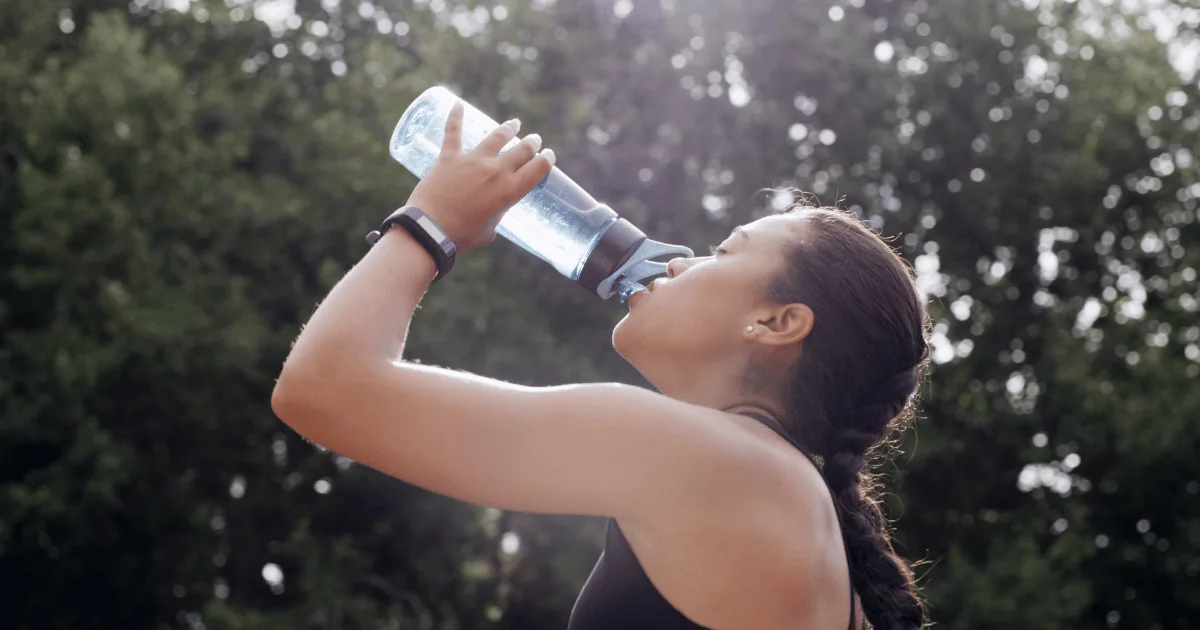
Water alone is not enough for athletes during exercise lasting over 60-90 minutes, in heat, and during high-sweat sessions where pure water replacement risks dilution. The Sawka 2007 ACSM position stand in Med Sci Sports Exerc anchors the dose: 300-700 mg sodium per liter of fluid during long sessions, with the upper end for heavy salty sweaters. Potassium 200-500 mg during exercise supports endurance work; magnesium and calcium matter chronically more than acutely.
TL;DR
- Sodium 300-700 mg/L of fluid during sessions over 60-90 min (ACSM).
- Potassium 200-500 mg during exercise supports endurance.
- Magnesium and calcium matter chronically, not acutely.
- Halal-friendly picks in Canada: LMNT (high-sodium), DripDrop (medical-grade), Skratch (real-fruit), Nuun (cheapest), Pedialyte AdvancedCare (pharmacy-grade).
- Skip: Liquid IV (11 g added sugar), Gatorade (sodium too low for the sugar), undisclosed natural flavors.
- Over-drinking is the real danger in endurance contexts; EAH has killed marathoners.
Why trust this guide
I am Kazi Habib, B.Pharm, MBA, PMP, 10+ years across pharmaceutical sciences and life-sciences marketing, founder of FitFixLife and PharmoniQ. The recommendations below come from the ACSM position stand plus the Canadian retail picture (Shoppers, MEC, Amazon Canada) most US-focused electrolyte guides miss.
The four electrolytes that matter
- Sodium. The most-lost in sweat (500-2,000 mg/L sweat depending on individual). ACSM target 300-700 mg per L of fluid during exercise over 60-90 min.
- Potassium. 200-500 mg per hour during prolonged exercise; chronic intake from vegetables and fruits matters more than acute.
- Magnesium. 300-400 mg daily baseline; supplementation supports sleep and may reduce cramping signal, but the cramp evidence is weaker than commonly claimed.
- Calcium. 1,000-1,200 mg daily baseline; dietary intake from dairy or fortified alternatives covers most adults.
Halal-friendly Canadian electrolyte picks
LMNT
LMNT Recharge Electrolyte Drink Mix
1,000 mg sodium, 200 mg potassium, 60 mg magnesium per packet. Zero sugar. Halal-friendly via ingredient disclosure. ~$2.00-2.50 CAD per packet via LMNT Canada or Amazon.ca.
DripDrop
DripDrop ORS Oral Rehydration Solution
330 mg sodium, 185 mg potassium per packet. Medical-grade ORS heritage. Available at most Shoppers Drug Mart. ~$1.20-1.60 CAD per packet.
Nuun
Nuun Sport Electrolyte Tablets
300 mg sodium, 150 mg potassium per tablet, zero sugar. Available at MEC, Sport Chek. ~$0.50-0.70 CAD per tablet, cheapest per serving.
Brands to skip for halal users
Liquid IV: 11 g added sugar per packet. Gatorade Thirst Quencher: 160 mg sodium and 21 g sugar (sodium dose is below ACSM range for the typical 16 oz serving). Any "natural flavor" sport drink without explicit denatured-ethanol disclosure or halal certification.
The pharmacist take on electrolytes and medications
ACE inhibitors / ARBs (lisinopril, losartan, valsartan) reduce renal potassium excretion. Regular potassium-loaded sport drink use can produce hyperkalemia with cardiac arrhythmia risk. Potassium-sparing diuretics (spironolactone, amiloride) have the same concern with stronger effect. Loop diuretics (furosemide) substantially increase sodium, potassium, and magnesium excretion. Lithium needs careful sodium balance; fluctuations cause toxicity. SGLT2 inhibitors increase sodium and water loss. NSAIDs reduce renal blood flow; combining heavy NSAID use with prolonged exercise in heat risks acute kidney injury.
The Ramadan-fasting athlete
Iftar: front-load with 500 mL water plus dates plus sodium-containing soup. Add 1 LMNT or DripDrop within the first 30 minutes. Between iftar and sleep: steady fluid intake totaling 1.5-2 L. Suhoor: 500-750 mL water plus 1 electrolyte packet. Avoid heavy salty meals at suhoor (drives daytime thirst). Training: pre-dawn or post-iftar windows.
The over-drinking risk (EAH)
The Hew-Butler 2015 consensus in Clin J Sport Med sets the EAH framework. Severe EAH (sodium under 125 mmol/L) has killed marathon runners, ultra-runners, and military recruits. Prevention: sodium-containing fluid plus drinking to thirst, not on a fixed high-volume schedule. For everyday gym work and runs under 2 hours, risk is essentially zero.
Bottom line
Electrolytes matter for athletes during exercise lasting over 60-90 minutes, in heat, and during high-sweat sessions. ACSM dose: 300-700 mg sodium per liter of fluid. For Canadian halal-conscious athletes in 2026, the picks I keep in the gym bag are LMNT, DripDrop, and Skratch.
For the brand-by-brand audit, see best electrolyte drinks 2026 and LMNT vs Liquid IV. Run the per-kg hydration baseline at the FitFixLife water calculator.
Frequently Asked Questions
No. For sessions under 60-90 minutes in normal conditions, plain water plus a normal meal pattern covers the electrolyte and carb requirement. Sport drinks become useful past 60-90 minutes, in heat, or for high-sweat individuals at any duration.
For exercise over 60-90 minutes, yes, by the ACSM 2007 position stand. For everyday hydration, no; plain water plus a normal mixed diet covers the electrolyte intake.
EAH is acute dilution of serum sodium during prolonged exercise from over-drinking plain water. For recreational gym sessions and runs under 2 hours, the risk is essentially zero. For marathons, ultras, Ironman, and endurance work over 4 hours, the risk is real and the prevention is sodium-containing fluid plus drinking to thirst.
For daily life, mostly yes if the diet includes vegetables, fruits, dairy or fortified alternatives, legumes, nuts, seeds, and whole grains. For training days with moderate-to-high sweat losses, food alone may not deliver enough sodium fast enough.
For sedentary adults with hypertension or heart failure, yes. For healthy active adults losing 1-3 g sodium per training day to sweat, replacement of 1-3 g sodium on top of baseline is physiologically appropriate. The low-sodium public health message is built for sedentary populations.
Sport drinks typically include electrolytes plus carbohydrate for energy; pure electrolyte drinks include only the minerals without significant carbs. Carbohydrate matters during exercise over 60-90 minutes; below that threshold, zero-carb electrolyte products are often the cleaner pick.
Modestly. Alcohol-induced diuresis depletes sodium and fluid; electrolyte replacement addresses the dehydration component. The acetaldehyde-driven hangover symptoms are not fixed by hydration alone, but hydration is a substantial portion of the symptom load.
Formal IFANCA, JAKIM, or MUI halal certification is rare in the North American electrolyte market. Several brands (LMNT, DripDrop, Skratch, Pedialyte, Nuun) are halal-friendly via ingredient disclosure (no animal derivatives, no denatured-ethanol flavor carriers) even without formal certification.
Kazi Habib
B.Pharm · MBA · PMP · Digital Marketing, York University
Kazi Habib is the founder of FitFixLife. With over 10 years in pharmaceutical and life sciences marketing, a Digital Marketing certification from York University (Toronto), and hands-on experience launching nutraceutical products at Beximco Pharmaceuticals — including science-backed meal replacers for weight management and diabetic nutrition — he brings regulated product development, clinical data analysis, and evidence-based content standards to every tool and article on this site.
Connect on LinkedIn →No spam. Unsubscribe anytime.
Related Articles
How Much Water Should You Drink? The Science-Based Answer (2026)
The 8-glasses rule is a myth. Real hydration depends on weight, activity, climate, and medications. The pharmacist take, Canadian context, and Ramadan adjustments.
Sleep and Recovery for Athletes: The Performance Multiplier (2026)
Sleep is the most underrated performance lever. How it drives muscle growth, fat loss, and recovery. Magnesium, melatonin, and Ramadan adjustments.
Try These Free Tools
Disclaimer: This article is for informational purposes only and does not constitute medical advice. Always consult a qualified healthcare professional before making changes to your diet, exercise, or supplement routine.