Pre-Workout Supplements: Are They Worth It?
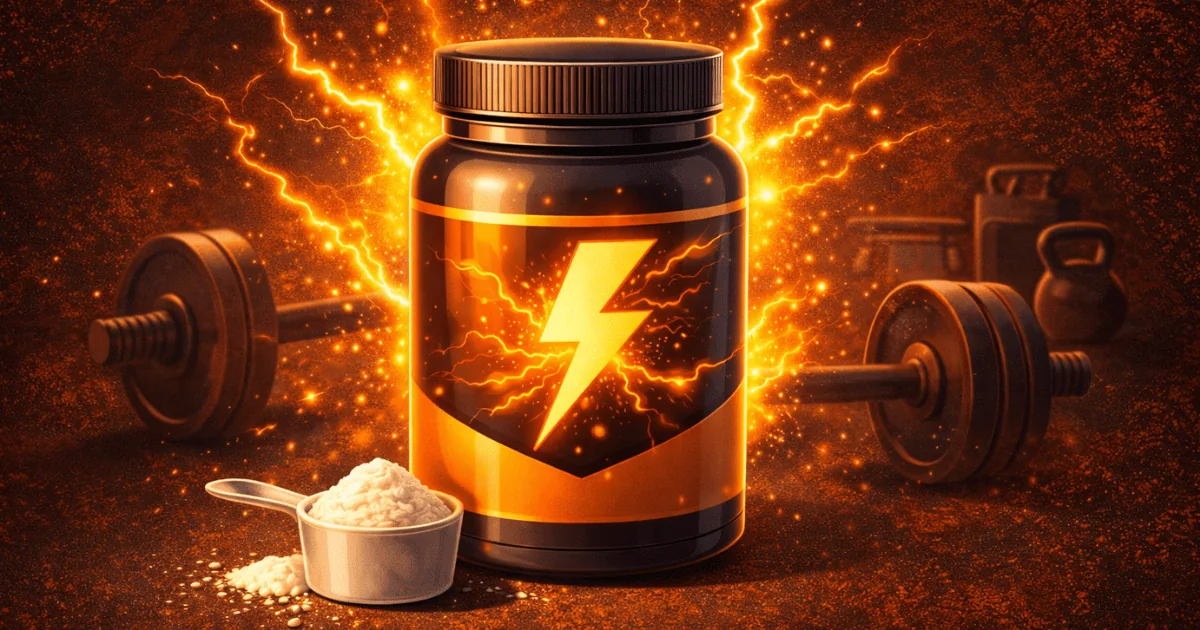
Pre-workout supplements promise more energy, better focus, bigger pumps, and improved performance. Walk into any supplement store and you will find dozens of brightly colored tubs making bold claims. But do they actually deliver? The answer is nuanced. Some ingredients are backed by strong research, while others are included purely for marketing effect. If you are new to the supplement world, start with our guide on supplements for beginners before diving into pre-workouts. Here is an honest breakdown.
Ingredients That Actually Work
Not all pre-workout ingredients are created equal. These are the ones with solid evidence behind them, along with the doses you should look for:
Caffeine (150-300 mg)
Caffeine is the most effective ergogenic aid in most pre-workouts. It improves alertness, reduces perceived effort, and can enhance both endurance and strength performance. The effective dose for most people is 3 to 6 mg per kilogram of body weight, typically landing in the 150-300 mg range. Be aware that tolerance builds quickly. If you drink coffee daily, you may need a higher dose to feel the same effect, or consider cycling off caffeine periodically.
Citrulline Malate (6-8 g)
L-citrulline converts to L-arginine in the body, boosting nitric oxide production and improving blood flow. This translates to better muscular endurance and the “pump” feeling during training. The research-supported dose is 6 to 8 grams of citrulline malate (or 3 to 4 grams of pure L-citrulline). Many products contain only 1 to 3 grams, which is under-dosed and unlikely to produce meaningful results.

Beta-Alanine (3.2-6.4 g daily)
Beta-alanine buffers acid buildup in muscles, extending your ability to sustain high-intensity effort. It is most effective for exercises lasting 1 to 4 minutes, like high-rep sets, circuit training, or rowing intervals. The tingling sensation (paresthesia) it causes is harmless but surprising for first-time users. Note that beta-alanine works through accumulation over time, not as an acute per-session effect. Daily consistent dosing matters more than timing.
Creatine Monohydrate (3-5 g)
Many pre-workouts include creatine, and while it is an excellent supplement, it does not need to be taken before a workout specifically. Timing does not matter for creatine. If your pre-workout includes a proper 3 to 5 gram dose, it counts toward your daily intake. If it contains less, supplement separately.
The Proprietary Blend Problem
This is the biggest red flag in the pre-workout industry. A proprietary blend lists all the ingredients but only shows the total combined weight. You have no way of knowing if each ingredient is dosed at an effective level. A product might list citrulline, beta-alanine, and caffeine in a 5-gram blend, but 4.5 grams could be the cheapest ingredient with the rest sprinkled in at meaningless amounts. Always choose products with fully transparent labels that list individual ingredient doses. If you follow halal dietary guidelines, check out our guide to halal pre-workout options for certified products.
Who Actually Benefits from Pre-Workout?
- Early morning trainers — If you train before dawn and need an energy boost, the caffeine alone justifies it.
- High-volume lifters — If your sessions are long and intense, the endurance benefits of citrulline and beta-alanine compound over time.
- Experienced lifters hitting a plateau — When training intensity is already high and diet is dialed in, pre-workout can provide a marginal edge.
Free Alternatives Worth Trying
Before spending money on a pre-workout, consider these no-cost strategies. A cup of black coffee provides 80 to 100 mg of caffeine with zero additives. Eating a small carb-rich meal 60 to 90 minutes before training provides glycogen for energy. Getting quality sleep is the single most impactful performance enhancer that no supplement can replace. Staying properly hydrated prevents the fatigue that many people try to mask with stimulants. Use our workout calculator to dial in the right training intensity before adding any supplement.
⚕️ Medical Disclaimer
This article is for informational purposes only and does not constitute medical advice. The content is not intended to diagnose, treat, cure, or prevent any disease. Always consult a qualified healthcare provider before starting or changing any supplements or nutrition strategies. Individual results may vary. See our full disclaimer for more information.
Compare pre-workout products with transparent dosing
We flag proprietary blends and under-dosed ingredients
Compare Pre-WorkoutsKazi Habib
B.Pharm · MBA · PMP · Digital Marketing, York University
Kazi Habib is the founder of FitFixLife. With over 10 years in pharmaceutical and life sciences marketing, a Digital Marketing certification from York University (Toronto), and hands-on experience launching nutraceutical products at Beximco Pharmaceuticals — including science-backed meal replacers for weight management and diabetic nutrition — he brings regulated product development, clinical data analysis, and evidence-based content standards to every tool and article on this site.
Connect on LinkedIn →No spam. Unsubscribe anytime.
Related Articles
Creatine 101: Dosing, Timing, Loading & Side Effects Explained
3g or 5g? Loading or not? Before or after workout? Every creatine question answered with actual study references.
One-Rep Max Guide: How to Estimate and Use Your 1RM
Your one-rep max is the foundation of smart programming. Learn how to estimate it safely, which formulas to use, and how to plan your training around it.
Try These Free Tools
Disclaimer: This article is for informational purposes only and does not constitute medical advice. Always consult a qualified healthcare professional before making changes to your diet, exercise, or supplement routine.