Sleep and Recovery for Athletes: Why Rest Days Matter
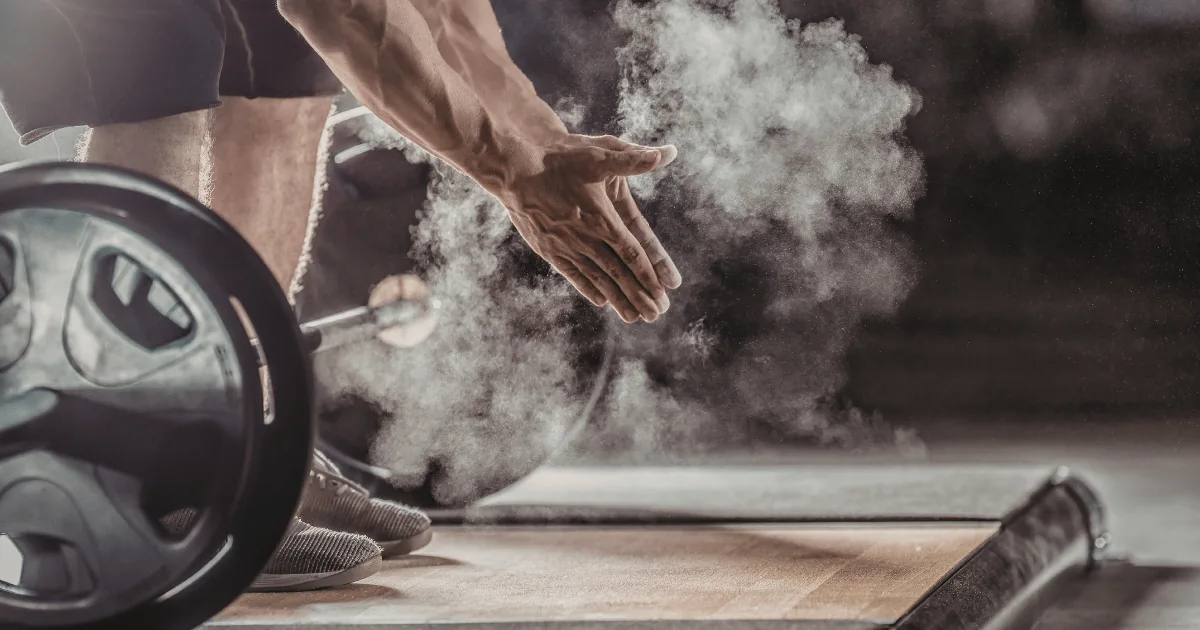
You do not grow stronger during your workouts. You grow stronger during recovery. Training creates the stimulus, but sleep, nutrition, and rest days are where adaptation actually happens. Yet recovery is the most neglected part of most people's fitness routines. If you are training hard but sleeping poorly, you are leaving results on the table. Use our sleep calculator to find your ideal bedtime based on sleep cycles.
How Sleep Affects Muscle Growth
The majority of human growth hormone (HGH) is released during deep sleep, specifically during the first few hours of the night. HGH is critical for tissue repair, muscle protein synthesis, and fat metabolism. When sleep is cut short, HGH output drops significantly. Studies have shown that sleeping fewer than six hours per night can reduce muscle protein synthesis rates by up to 18%, even when protein intake is adequate.
Testosterone, another key hormone for muscle growth and recovery, also follows a sleep-dependent pattern. Research consistently shows that men who sleep five hours per night have significantly lower testosterone levels than those who sleep seven to eight hours. For women, disrupted sleep affects cortisol regulation, which can impair recovery and increase fat storage.
Sleep and Fat Loss
Poor sleep does not just hurt muscle growth. It actively works against fat loss. Sleep deprivation increases levels of ghrelin (the hunger hormone) and decreases levels of leptin (the satiety hormone). The result is that you feel hungrier, crave higher-calorie foods, and have less willpower to resist them. One study found that sleep-restricted individuals consumed an average of 385 extra calories per day compared to well-rested controls. Over a week, that is nearly 2,700 extra calories, enough to offset most calorie deficits entirely.
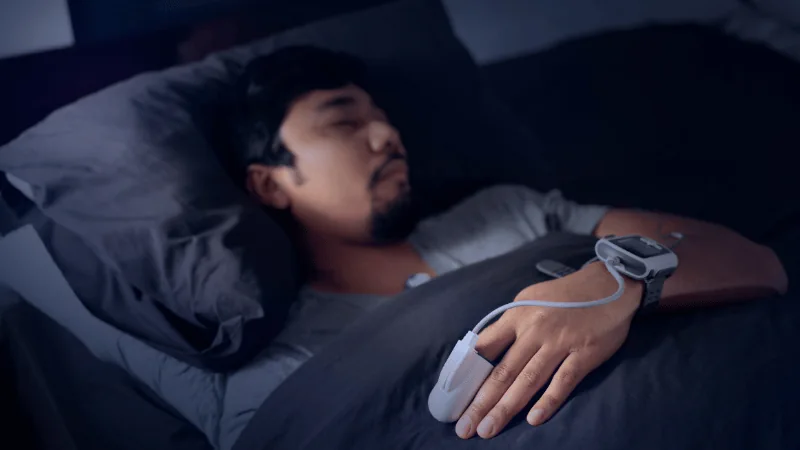
How Much Sleep Do You Actually Need?
- General adults: 7-9 hours per night is the standard recommendation from sleep research.
- Active individuals: Those training 4 or more times per week should aim for the upper end, 8-9 hours, to support recovery demands.
- During a calorie deficit: Sleep becomes even more important when cutting, as your body has fewer resources for recovery. Prioritize 8 or more hours.
Practical Tips to Improve Sleep Quality
- Keep a consistent schedule — Go to bed and wake up at the same time every day, including weekends. Consistency trains your circadian rhythm.
- Cool your room — Optimal sleep temperature is between 60-67 degrees Fahrenheit (15-19 degrees Celsius). A cool room promotes deeper sleep.
- Limit screens before bed — Blue light from phones and laptops suppresses melatonin production. Stop screen use 30-60 minutes before sleep or use blue-light blocking settings.
- Watch caffeine timing — Caffeine has a half-life of 5-6 hours. A coffee at 3 PM means half the caffeine is still in your system at 9 PM. Cut off caffeine by early afternoon.
- Consider magnesium — Magnesium glycinate for sleep (200-400mg before bed) is one of the few supplements with evidence supporting improved sleep quality.
Rest Days Are Not Optional
Rest days allow your nervous system to recover, your muscles to repair, and your joints to de-load. Training seven days a week without rest leads to overreaching, which causes stalled progress, increased injury risk, mood disturbances, and disrupted sleep. Most well-designed programs include two to three rest days per week. On rest days, light walking, stretching, or yoga can promote blood flow and recovery without adding training stress. For more strategies, see our full guide to muscle recovery tips.
Track your overall fitness and recovery balance
Get your free FitFixLife Score to see where you stand
Get Your FitFixLife Score⚕️ Medical Disclaimer
This article is for informational purposes only and does not constitute medical advice. The content is not intended to diagnose, treat, cure, or prevent any disease. Always consult a qualified healthcare provider before starting or changing any supplements or nutrition strategies. Individual results may vary. See our full disclaimer for more information.
Frequently Asked Questions
Even one night of poor sleep (under 6 hours) can reduce reaction time, strength output, and endurance by 10-30%. Chronic sleep deprivation increases injury risk, impairs recovery, and reduces growth hormone secretion. Most elite athletes prioritize 8-10 hours of sleep.
Short naps (20-30 minutes) can boost alertness and performance without affecting nighttime sleep. Longer naps (60-90 minutes) include a full sleep cycle and are useful for recovery after sleep deprivation. Avoid napping after 3 PM as it may interfere with your regular sleep schedule.
Kazi Habib
B.Pharm · MBA · PMP · Digital Marketing, York University
Kazi Habib is the founder of FitFixLife. With over 10 years in pharmaceutical and life sciences marketing, a Digital Marketing certification from York University (Toronto), and hands-on experience launching nutraceutical products at Beximco Pharmaceuticals — including science-backed meal replacers for weight management and diabetic nutrition — he brings regulated product development, clinical data analysis, and evidence-based content standards to every tool and article on this site.
Connect on LinkedIn →No spam. Unsubscribe anytime.
Related Articles
How to Build a Workout Plan That Actually Works
Learn how to structure a weekly workout plan around your goals. Covers training splits, exercise selection, volume, frequency, and progression for beginners and intermediates.
Electrolytes and Hydration for Athletes: Beyond Just Water
Water alone is not enough for active people. Learn why electrolytes matter, the key minerals to replace, signs of imbalance, and how to hydrate properly for performance.
Try These Free Tools
Disclaimer: This article is for informational purposes only and does not constitute medical advice. Always consult a qualified healthcare professional before making changes to your diet, exercise, or supplement routine.