Are Collagen Supplements Worth It? The Science Behind the Hype
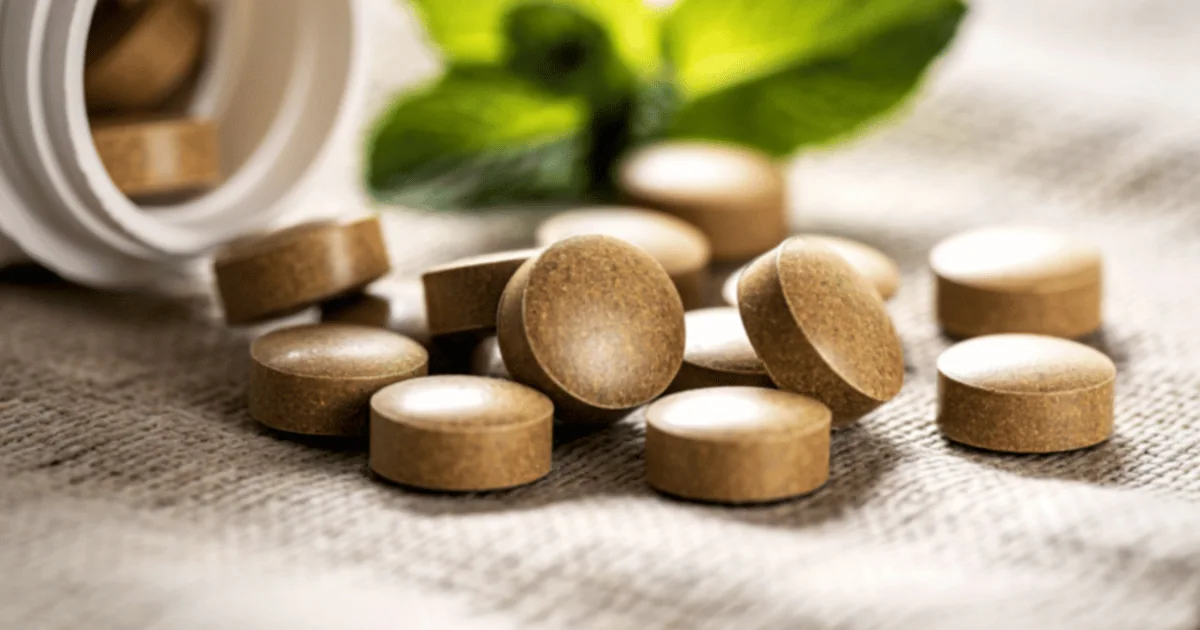
Collagen supplements are everywhere. Scroll through any fitness or wellness feed and you will see influencers stirring collagen peptides into their morning coffee, promising younger skin, healthier joints, and stronger hair. The global collagen supplement market has surpassed ten billion dollars, and it continues to grow at double-digit rates every year. But underneath the marketing, what does the science actually say? Is collagen a legitimate supplement backed by research, or is it another overpriced wellness trend?
The answer, as with most things in nutrition, is somewhere in the middle. There is real research supporting specific benefits of collagen supplementation, but there are also significant limitations that the marketing conveniently ignores. This article breaks down the evidence honestly so you can decide whether collagen makes sense for you.
What Is Collagen, Exactly?
Collagen is the most abundant protein in your body. It makes up roughly 30% of your total protein mass and serves as the primary structural component of your skin, bones, tendons, ligaments, cartilage, and connective tissue. Think of collagen as the scaffolding that holds your body together. Without it, your skin would sag, your joints would grind, and your bones would become brittle.
There are at least 28 types of collagen identified in the human body, but three dominate the conversation:
- Type I — The most abundant type, found in skin, bones, tendons, and ligaments. This is the collagen most associated with skin elasticity and bone strength.
- Type II — Found primarily in cartilage. This is the type most relevant to joint health and is the focus of research on osteoarthritis.
- Type III — Often found alongside Type I in skin, blood vessels, and internal organs. It plays a role in skin structure and cardiovascular health.
Your body naturally produces collagen from amino acids — primarily glycine, proline, and hydroxyproline. However, collagen production declines with age, typically starting in your mid-twenties and accelerating after 40. This natural decline is a key reason people turn to collagen supplements.
The Digestion Argument: Does Collagen Survive Your Gut?
The biggest criticism of collagen supplements has always been straightforward: collagen is a protein, and your digestive system breaks proteins into amino acids. Critics argue that once collagen is digested, your body treats those amino acids the same as amino acids from any other protein source — chicken, eggs, whey, or beans. Under this logic, a collagen supplement is nothing more than an expensive source of low-quality protein.
There is some truth to this argument, but the picture is more nuanced than the critics suggest. Research has shown that hydrolyzed collagen (collagen peptides) is not fully broken down into individual amino acids during digestion. A significant portion survives as small peptide chains — specifically di-peptides and tri-peptides containing hydroxyproline. These peptides are absorbed intact into the bloodstream and have been detected in blood plasma after oral ingestion. Some researchers believe these collagen-derived peptides may act as signaling molecules, stimulating your body's own fibroblasts and chondrocytes to produce more collagen. This mechanism, if confirmed, would explain why collagen supplementation sometimes produces effects beyond what you would expect from an equivalent dose of generic amino acids.

Research That Supports Collagen Supplementation
Several areas of collagen research have produced encouraging results. Here is where the evidence is strongest.
Joint Health and Activity-Related Pain
A 2008 study by Clark et al. involving 147 athletes found that those taking 10 grams of collagen hydrolysate daily for 24 weeks reported significantly less joint pain during activity compared to the placebo group. A 2017 study by Zdzieblik et al. showed that collagen peptide supplementation combined with resistance training improved body composition and muscle strength in elderly men with sarcopenia. For people who train regularly and experience nagging joint discomfort, the joint research is probably the most compelling reason to consider collagen.
Skin Elasticity and Hydration
A 2014 study by Proksch et al. demonstrated that women taking 2.5 to 5 grams of collagen peptides daily for eight weeks showed statistically significant improvements in skin elasticity compared to placebo. Other studies have reported improvements in skin hydration and a reduction in the depth of wrinkles after four to twelve weeks of supplementation. The skin benefits are the most marketed aspect of collagen supplements, and the evidence here is decent, though most studies are relatively small.
Bone Density
Research on postmenopausal women has shown that collagen peptide supplementation (5 grams daily for 12 months) increased bone mineral density in the spine and femoral neck compared to placebo. Bone loss is a serious concern for women after menopause, and while collagen is not a substitute for calcium, vitamin D, and weight-bearing exercise, it may serve as a useful adjunct.
Research Limitations and Honest Criticisms
Before you rush to buy collagen, it is important to understand the weaknesses in the current research. Being honest about these limitations is what separates evidence-based advice from marketing.
- Small sample sizes — Many collagen studies involve fewer than 100 participants. Larger, more rigorous trials are needed to confirm the findings.
- Industry funding — A significant portion of collagen research is funded by supplement manufacturers. This does not automatically invalidate the results, but it introduces potential bias that should be acknowledged.
- Lack of comparison to other proteins — Few studies compare collagen supplementation head-to-head with an equivalent dose of whey or other complete proteins. It remains unclear whether the observed benefits are specific to collagen peptides or could be achieved with any high-quality protein source.
- Subjective outcomes — Joint pain reduction in particular is difficult to measure objectively. Many studies rely on self-reported pain scales, which are susceptible to placebo effects.
- Collagen is not a complete protein — Collagen lacks tryptophan and is low in several other essential amino acids. It should never replace your primary protein sources like whey, chicken, fish, or legumes.
Hydrolyzed Collagen vs. Gelatin vs. Whole Collagen
Not all collagen supplements are the same. The form you choose matters for absorption and effectiveness.
- Hydrolyzed collagen (collagen peptides) — Collagen that has been enzymatically broken down into small peptide chains. This form dissolves easily in hot or cold liquids, is well absorbed, and is the form used in most clinical research. This is what you should buy.
- Gelatin — Partially hydrolyzed collagen. Gelatin only dissolves in hot liquid and forms a gel when cooled. It provides similar amino acids but is less convenient and potentially less bioavailable than fully hydrolyzed peptides.
- Undenatured (native) collagen — This is intact Type II collagen used at much lower doses (typically 40 milligrams per day). The mechanism is different — it is thought to work through immune modulation rather than providing raw materials. UC-II is the most studied form for joint health specifically, but it is a distinct product from standard collagen peptides.
Marine vs. Bovine vs. Chicken: Which Source for Which Goal?
Collagen supplements are sourced from different animals, and the source affects the collagen types you are getting.
- Bovine (cow) — Provides primarily Types I and III collagen. This is the most common and affordable source. Best for general use covering skin, bones, and connective tissue. Products like Vital Proteins Collagen Peptides (🇺🇸) | 🇨🇦 and Sports Research Collagen Peptides (🇺🇸) | 🇨🇦 are popular bovine collagen options that are well-regarded for quality and mixability.
- Marine (fish) — Primarily Type I collagen sourced from fish skin and scales. Marine collagen peptides tend to have a smaller molecular weight, which may improve absorption. Often marketed for skin benefits. Good choice for pescatarians or anyone who avoids beef. Organika Enhanced Collagen (🇺🇸) | 🇨🇦 is a Canadian brand offering a well-priced bovine and marine collagen option.
- Chicken — Rich in Type II collagen, making it the best source specifically for cartilage and joint support. Products like Ancient Nutrition Multi Collagen Protein (🇺🇸) | 🇨🇦 combine multiple sources including chicken to cover Types I, II, and III in a single product.
Optimal Dosing and the Vitamin C Connection
Based on the clinical research, the optimal daily dose for hydrolyzed collagen peptides is 10 to 15 grams per day. Most studies showing positive results for joint health and skin used doses in this range taken consistently for at least eight to twelve weeks. Benefits are not immediate — collagen supplementation requires patience and consistency.
One critical detail that many collagen brands fail to emphasize: your body needs vitamin C to synthesize collagen. Vitamin C is an essential cofactor in the enzymatic process that stabilizes the collagen triple helix structure. Without adequate vitamin C, your body cannot effectively use the collagen building blocks you are providing through supplementation. Make sure you are getting at least 75 to 90 milligrams of vitamin C daily through food (citrus, bell peppers, strawberries, broccoli) or a basic supplement. Some collagen products include vitamin C in the formula, which is a thoughtful addition.
Collagen Supplements at a Glance
Quick comparison of four popular collagen products available in Canada
Vital Proteins Collagen Peptides
567g · Bovine · Types I & III
- 20g collagen per serving (2 scoops)
- Grass-fed, pasture-raised source
- NSF Certified for Sport
- Unflavored, dissolves in hot or cold
Sports Research Collagen Peptides
Bovine · Types I & III · Hydrolyzed
- 11g collagen per serving (1 scoop)
- Grass-fed, pasture-raised
- Third-party tested, non-GMO verified
- Available in unflavored and flavored options
Ancient Nutrition Multi Collagen Protein
235g · Multi-source · Types I, II & III
- 9g collagen per serving from 4 sources
- Bovine, chicken, fish, and eggshell membrane
- Covers Types I, II, III, V, and X
- Good for joint + skin combination goals
Organika Enhanced Collagen
500g · Bovine · Hydrolyzed Peptides
- 10g collagen per serving
- Canadian brand, grass-fed source
- Excellent value per gram
- Unflavored, mixes easily in any beverage
Is Collagen Worth It? A Decision Framework
Rather than giving a blanket yes or no, use this framework to decide whether collagen supplementation makes sense for your specific situation.
Collagen Probably Makes Sense If…
- You train regularly and experience persistent joint discomfort that does not resolve with rest and proper programming. The joint research is the strongest case for collagen.
- You are over 40 and want to support skin health and bone density alongside a solid diet and resistance training routine.
- You are a postmenopausal woman concerned about bone mineral density loss and are looking for additional nutritional support beyond calcium and vitamin D.
- You already have your fundamentals covered — adequate total protein, balanced diet, consistent training, good sleep — and have room in your budget for a supplementary product.
- You want an easy way to add glycine and proline to your diet. These amino acids are under-consumed in modern diets that rely heavily on muscle meat rather than organ meats, bone broth, and skin.
Collagen Is Probably a Waste of Money If…
- You are not yet hitting your daily protein target from whole food sources. Fix that first. Collagen is not a substitute for adequate total protein intake. Use our protein calculator to find your optimal range.
- You are counting collagen toward your daily protein goal. Because collagen is an incomplete protein (missing tryptophan and low in several essential amino acids), it should not replace your primary protein sources for muscle building and recovery.
- You expect dramatic, visible anti-aging results. The skin studies show statistically significant but modest improvements. You are not going to look ten years younger from collagen powder alone.
- You are on a tight supplement budget. If you can only afford a few supplements, prioritize protein, creatine, and vitamin D before adding collagen. Those three have far stronger evidence bases.
- You already consume bone broth, organ meats, or gelatin-rich foods regularly. You are likely getting meaningful amounts of the same amino acids that collagen supplements provide.
How to Take Collagen Effectively
If you decide collagen is worth trying, here are practical guidelines to maximize your results:
- Choose hydrolyzed collagen peptides — This is the best-absorbed form and the one used in most clinical research. Avoid whole collagen or unprocessed gelatin for supplementation purposes.
- Take 10 to 15 grams daily — This is the dose range supported by the majority of clinical trials. Lower doses (2.5 to 5 grams) have shown some skin benefits, but joint and bone outcomes typically require higher amounts.
- Pair with vitamin C — Take your collagen alongside a vitamin C source to support your body's collagen synthesis process. A glass of orange juice, some berries, or a vitamin C tablet will do.
- Be patient — Most studies show benefits after 8 to 12 weeks of consistent daily use. Do not expect results in a few days. If you do not notice any difference after three months, collagen may not be the right supplement for you.
- Timing does not matter much — Take it whenever it is most convenient. Morning coffee, post-workout shake, evening tea — consistency matters more than timing.
The Bottom Line
Collagen supplements are not a miracle product, but they are not pure hype either. The research supporting joint health, skin elasticity, and bone density is legitimate, though limited by small study sizes and industry funding. Collagen is best viewed as a supplementary protein source that provides specific amino acids (glycine, proline, hydroxyproline) that most modern diets under-deliver.
If you have your nutrition fundamentals locked down, train consistently, and have the budget, adding 10 to 15 grams of hydrolyzed collagen peptides daily is a reasonable choice — especially if you deal with joint discomfort or are over 40. If your basic protein intake, sleep, and training are not yet dialed in, those should be your priority. No supplement compensates for a weak foundation.
For a broader look at which supplements actually have strong evidence behind them, check out our best supplements for beginners guide. And if you want to make sure you are hitting your protein targets before adding collagen on top, try our protein calculator.
Compare collagen supplements side by side
See how the top collagen products stack up on quality, price, and research
View Collagen ComparisonKazi Habib
B.Pharm · MBA · PMP · Digital Marketing, York University
Kazi Habib is the founder of FitFixLife. With over 10 years in pharmaceutical and life sciences marketing, a Digital Marketing certification from York University (Toronto), and hands-on experience launching nutraceutical products at Beximco Pharmaceuticals — including science-backed meal replacers for weight management and diabetic nutrition — he brings regulated product development, clinical data analysis, and evidence-based content standards to every tool and article on this site.
Connect on LinkedIn →No spam. Unsubscribe anytime.
Related Articles
How Much Protein Do You Need? Complete Guide (With Calculator)
0.8g per kg or 1g per lb? The answer depends on your goal. Science-backed protein targets for fat loss, muscle gain & maintenance.
Best Supplements for Beginners: What Actually Works
Cut through the hype. This guide covers the only supplements backed by strong evidence for beginners: protein, creatine, vitamin D, and more. Skip the rest.
How to Read Supplement Labels Like a Pro (Spot Fillers & Red Flags)
Most labels confuse you on purpose. Decode serving sizes, prop blends, fillers & third-party testing claims in 5 minutes.
Try These Free Tools
Disclaimer: This article is for informational purposes only and does not constitute medical advice. Always consult a qualified healthcare professional before making changes to your diet, exercise, or supplement routine.