Best High-Protein Snacks for 2026 (That Actually Taste Good)
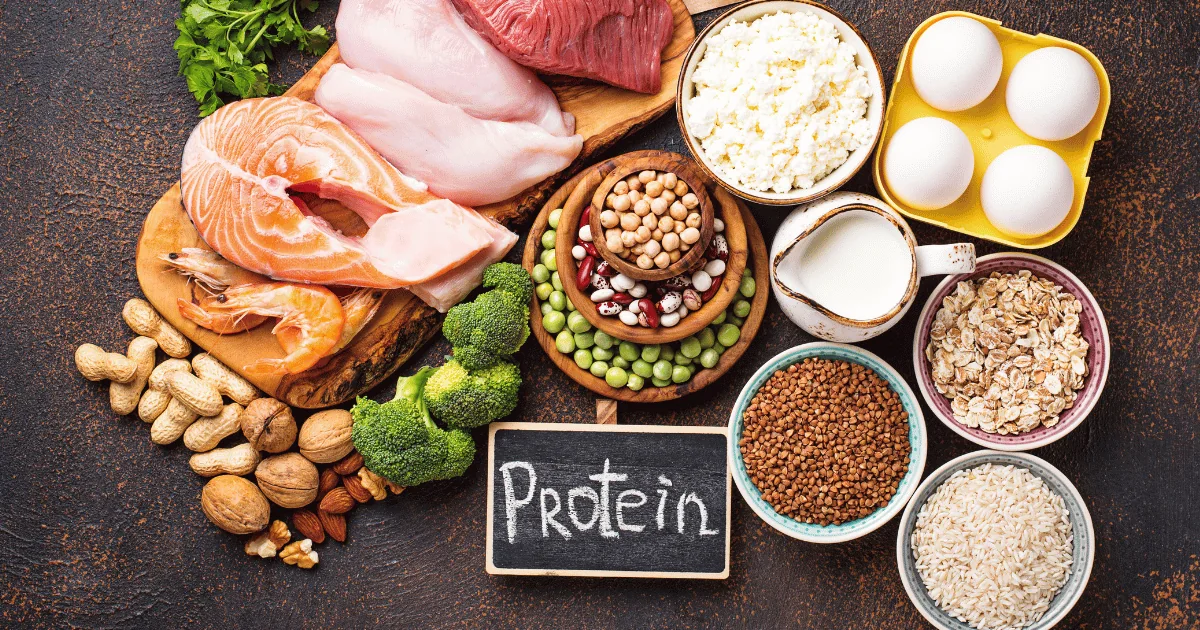
Most people who struggle to hit their daily protein target are not failing at meals — they are failing between meals. Breakfast, lunch, and dinner might each deliver 25 to 40 grams of protein, but the hours in between are filled with granola bars, crackers, and snacks that contribute almost nothing to your total. If you need 150 or more grams of protein per day, those gaps add up fast.
The fix is straightforward: replace low-protein snacks with high-protein alternatives that you genuinely enjoy eating. Not everything needs to be a chicken breast in Tupperware. The snack market has evolved, and there are now shelf-stable, portable, genuinely delicious options that pack 20 grams or more of protein per serving without tasting like cardboard.
This guide covers the best high-protein snacks available in 2026, organized by category. Every product was evaluated on four criteria: at least 20 grams of protein per serving, under 300 calories, minimal added sugar, and — critically — it actually has to taste good. If you are not sure how much protein you need in the first place, start with our protein calculator to get a personalized daily target.
Why Protein Snacking Matters for Body Composition
Research on muscle protein synthesis (MPS) shows that your body can only use a limited amount of protein at a time to build and repair muscle — roughly 0.4 to 0.55 grams per kilogram of body weight per meal. Eating 80 grams of protein at dinner and 10 grams at every other eating occasion is not optimal. Distributing protein across four to five feedings per day, each with 20 to 40 grams, keeps MPS elevated for more of the day and maximizes the anabolic response to your total intake.
Beyond muscle, protein is the most satiating macronutrient. A 200 calorie snack with 25 grams of protein will keep you full for two to three hours, while a 200 calorie bag of pretzels with 3 grams of protein will leave you hungry again in 45 minutes. If you are in a calorie deficit, protein snacking is one of the easiest ways to manage hunger without eating more food overall.
Our Protein Snack Criteria
- 20g+ protein per serving — Anything less is a snack with some protein, not a protein snack. The threshold for triggering meaningful MPS is roughly 20 grams.
- Under 300 calories — A snack that uses up a quarter of your daily calories is not a snack, it is a meal. We want options that fit between meals without blowing your calorie budget.
- Minimal added sugar — Under 5 grams ideally. Many "protein" products pack in 20 to 30 grams of sugar, which defeats the purpose.
- Actually tastes good — This is non-negotiable. If you dread eating it, you will stop within a week. Every product on this list is something we would genuinely reach for as a snack, not just tolerate.
Ready-to-Drink Protein Shakes
Ready-to-drink (RTD) shakes are the fastest possible protein snack. No blender, no powder, no cleanup. Grab one from the fridge, drink it, and you have 30 to 42 grams of protein in under two minutes. The downside is cost per gram of protein — RTDs are more expensive than mixing your own — but the convenience factor makes them worth it for busy days, travel, and post-workout windows when you need protein immediately.
Fairlife Core Power Elite (42g protein) (🇺🇸) | 🇨🇦
The Elite version is our top pick for a reason. At 42 grams of complete protein from ultra-filtered milk, it delivers more protein per bottle than almost any competitor. The chocolate flavor is genuinely enjoyable — thick, creamy, and closer to chocolate milk than a chalky protein drink. The lactose-free formula means no digestive issues for most people.
Pros: Highest protein per bottle in the RTD category, great chocolate flavor, lactose-free, no artificial colors.
Cons: Premium price point (roughly $5-6 per bottle), contains sucralose, limited flavor variety in the Elite line.
Fairlife Core Power (26g protein) (🇺🇸) | 🇨🇦
If 42 grams is more than you need in a single snack, the regular Core Power is a solid middle ground. 26 grams of protein at 170 calories is an excellent ratio, and the smaller bottle size means a lower price per unit. The vanilla and strawberry banana flavors are both good. This is the one we keep stocked in the fridge for everyday use.
Pros: Great protein-to-calorie ratio, smoother taste than many competitors, lactose-free, more flavor options than the Elite.
Cons: 26g may not be enough for larger individuals targeting 40g+ per feeding, cost per gram is higher than mixing powder yourself.
Premier Protein Shake (30g protein) (🇺🇸) | 🇨🇦
Premier Protein is the value pick in the RTD category. At 30 grams of protein for only 160 calories and 1 gram of sugar, the macros are hard to beat. The 18-count box brings the per-unit cost down significantly. Flavor-wise, the Chocolate and Cafe Latte are the standouts — they are not as rich as Fairlife but they are perfectly drinkable and far better than most budget options. The protein blend uses a combination of milk protein concentrate and casein, which provides a slower release than pure whey.
Pros: Best value per gram of protein in the RTD space, only 1g sugar, huge flavor selection (15+ flavors), widely available.
Cons: Thinner consistency than Fairlife, contains sucralose and acesulfame potassium, some flavors taste artificial.
Chips & Savory Protein Snacks
One of the hardest cravings to satisfy on a high-protein diet is the desire for something crunchy and salty. Regular chips give you that experience with zero protein. Protein chips have gotten dramatically better over the past few years, and the best options now legitimately taste like real tortilla chips.
Quest Tortilla Style Protein Chips (🇺🇸) | 🇨🇦
Quest Tortilla Chips are the gold standard for protein chips. At 19 grams of protein and only 140 calories per bag, the macro profile is outstanding. The Nacho Cheese and Chili Lime flavors are the best — they genuinely taste like flavored tortilla chips, not like protein powder pressed into chip shape. The texture is crispy and holds up well with salsa or guacamole. The protein comes from a milk protein isolate and whey protein isolate blend, making these a complete protein source.
Pros: Incredible protein-to-calorie ratio for a chip, legitimately good flavor, low carb, works with dips, individually bagged for portion control.
Cons: Slightly different texture from regular tortilla chips (a bit denser), can be expensive at retail — buying in bulk boxes is the way to go, some flavors (Ranch) are weaker than others.
Meat-Based Protein Snacks
Meat snacks are as old as preserved food itself, and the category has been transformed by brands focused on cleaner ingredients. The best options use grass-fed beef, simple seasonings, and no sugar or chemical preservatives. They are shelf-stable, zero-prep, and travel anywhere.
Chomps Grass-Fed Beef Sticks (🇺🇸) | 🇨🇦
Chomps are the cleanest beef sticks on the market. Made from 100% grass-fed and finished beef with no added sugar, no MSG, no nitrates, and no fillers. Each stick delivers 10 grams of protein at 100 calories, so grabbing two gives you 20 grams for 200 calories — an excellent ratio. The Original Beef and Jalapeno flavors are both excellent. They are Whole30 approved, keto-friendly, and paleo-friendly, which makes them work for virtually any dietary approach.
Pros: Cleanest ingredient list in the category, no sugar at all, grass-fed sourcing, great snap and texture, individually wrapped for portability.
Cons: You need two sticks to hit the 20g protein threshold, which makes them pricier per serving than some alternatives. The flavor profile is straightforward — if you want bold seasoning, Jalapeno is the move.
Protein Bars Worth Buying
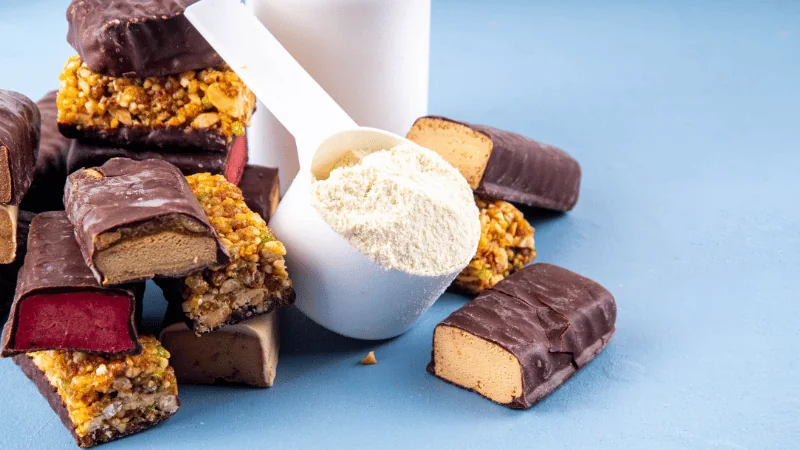
The protein bar market is flooded with products that are barely better than candy bars with a scoop of protein mixed in. Many popular bars contain 20 to 30 grams of sugar, sugar alcohols that cause digestive distress, or they taste like chalk. Here are two that pass our criteria.
Quest Protein Bar
Quest bars have been around for years and remain one of the better options on the market. 21 grams of protein from milk protein isolate, less than 1 gram of sugar, and 14 grams of fiber make the macro profile excellent. The Chocolate Chip Cookie Dough and Birthday Cake flavors are the best sellers for a reason — they taste like dessert. Microwaving them for 10 to 15 seconds makes the texture significantly better.
Pros: Strong protein with very low sugar, high fiber keeps you full, wide flavor range, widely available in stores.
Cons: Contains soluble corn fiber and sugar alcohols (erythritol), which can cause bloating in some people. The texture is dense and chewy, which not everyone enjoys at room temperature.
Barebells Protein Bar
Barebells is the bar we recommend when someone says they want a protein bar that tastes like an actual candy bar. The Salty Peanut and Hazelnut Nougat flavors are remarkably close to Snickers and Ferrero Rocher respectively. 20 grams of protein from a milk protein blend, no added sugar, and a texture that is smooth and layered rather than dense and chewy.
Pros: Best taste in the protein bar category, candy-bar-like texture, no added sugar, no sugar alcohols in most flavors.
Cons: Slightly lower fiber than Quest bars, not always easy to find in Canadian stores (online buying recommended), some flavors contain palm oil.
DIY Quick-Prep Protein Snacks
Store-bought options are convenient, but the most cost-effective protein snacks are the ones you make at home in under five minutes. These two require minimal ingredients, no cooking, and deliver exceptional protein density for the price.
Greek Yogurt + Protein Powder Bowl
Take one cup of plain nonfat Greek yogurt (17g protein), stir in one scoop of your favorite protein powder (24g protein), and top with berries or a drizzle of honey. This is the highest protein-per-dollar snack on this entire list. The yogurt thickens the protein powder into a pudding-like consistency that is far more satisfying than drinking a shake. Chocolate protein powder with Greek yogurt tastes like chocolate mousse. Vanilla with berries tastes like a parfait.
Pros: Cheapest option per gram of protein, 40g+ protein in a single bowl, endlessly customizable, feels like dessert.
Cons: Requires refrigeration and a spoon, not as portable as packaged options, texture depends heavily on the protein powder brand you use.
Cottage Cheese Bowl
Cottage cheese has made a serious comeback. One cup of low-fat cottage cheese delivers 24 to 28 grams of protein for under 200 calories. The key to making it taste great is the toppings. Go savory with everything bagel seasoning, cherry tomatoes, and a drizzle of olive oil. Go sweet with blended cottage cheese (blend until smooth), cinnamon, and sliced banana. The casein protein in cottage cheese digests slowly, making this an excellent pre-bed snack for sustained overnight muscle protein synthesis.
Pros: Cheapest protein source on this list, versatile (sweet or savory), slow-digesting casein protein ideal for before bed, high calcium content.
Cons: Requires refrigeration, the texture is polarizing (blending helps), higher sodium than other dairy options.
How to Build a Weekly Protein Snack Rotation
Eating the same snack every day gets boring fast. The solution is a rotation system that keeps things interesting while ensuring you always have something ready. Here is a practical approach:
- Stock two RTD options. Keep a case of Fairlife or Premier Protein in the fridge for zero-effort days. These are your emergency protein — when you are running out the door or forgot to prep anything.
- Keep portable options in your bag. Chomps beef sticks and Quest chips do not need refrigeration. Throw a couple in your gym bag, work bag, or car for situations where you are away from home and need protein.
- Prep one DIY option on Sunday. Buy Greek yogurt and cottage cheese at the start of the week. Pre-portion into containers if it helps. These are your cheapest-per-serving options and they keep all week in the fridge.
- Rotate flavors monthly. If you have been buying Chocolate Fairlife for three months, switch to Vanilla or try Premier Protein for a month. Small changes prevent burnout and keep snacking from feeling like a chore.
When to Eat Protein Snacks
Timing matters less than total daily intake, but strategic placement of protein snacks can make your day easier and your training more effective. Here are the most useful windows:
- Between meals (2-3 hours after eating). This is the most common and most useful window. A mid-morning and mid-afternoon protein snack fills the gap between your three main meals and keeps MPS elevated throughout the day.
- Pre-workout (60-90 minutes before training). If your last meal was more than three hours ago, a protein snack before training ensures amino acids are available during your session. An RTD shake or a Quest bar works well here because they are easy on the stomach.
- Post-workout (within 1-2 hours). The anabolic window is wider than the old "30 minute" myth suggests, but having protein within a couple hours of training is still a good practice. RTD shakes are king here because you can drink them in the car on the way home.
- Before bed. A slow-digesting protein snack before sleep provides a sustained amino acid supply overnight. Cottage cheese and casein-based options (like Fairlife, which uses a milk protein blend) are ideal here. Research supports pre-sleep protein for improved overnight muscle recovery.
Common Protein Snack Mistakes
Not all protein snacks are created equal, and the marketing around these products is designed to confuse you. Watch out for these common traps:
- "Protein" bars with 25-30g of sugar. Some of the best-selling "protein" bars contain more sugar than a Snickers bar. If there is more sugar than protein on the label, it is a candy bar with a protein marketing budget. Always check the nutrition facts, not the front of the package.
- Products with only 5-8g of protein calling themselves "high protein." There is no legal definition of "high protein" on food labels in most countries. A granola bar with 6 grams of protein can call itself "protein-packed" on the front of the box. The 20g threshold we use is the minimum to trigger meaningful muscle protein synthesis.
- Ignoring total calories. A 500 calorie protein muffin with 20 grams of protein is not a snack — it is a meal. The extra 300 calories from sugar and fat are working against your goals. Look for options where at least 30% of the calories come from protein.
- Overpaying for convenience when you have a fridge. RTD shakes cost $4-6 each. A Greek yogurt plus protein powder bowl costs under $2 and delivers more protein. Use RTDs for when you genuinely need the convenience, and DIY options when you are at home or have access to a fridge.
- Not buying in bulk. Every product on this list is significantly cheaper when purchased in multi-packs from Amazon or Costco. Buying a single Quest chip bag at a gas station costs $4 to $5. A 12-count variety pack brings that down to under $3 per bag. Build a monthly subscribe-and-save order for the items you use regularly.
How much protein do you actually need?
Get a personalized daily protein target based on your weight, activity level, and fitness goal
Calculate Your Protein NeedsLooking for protein powder instead?
Compare the best protein powders for your goals and budget
View Protein Powder ComparisonKazi Habib
B.Pharm · MBA · PMP · Digital Marketing, York University
Kazi Habib is the founder of FitFixLife. With over 10 years in pharmaceutical and life sciences marketing, a Digital Marketing certification from York University (Toronto), and hands-on experience launching nutraceutical products at Beximco Pharmaceuticals — including science-backed meal replacers for weight management and diabetic nutrition — he brings regulated product development, clinical data analysis, and evidence-based content standards to every tool and article on this site.
Connect on LinkedIn →No spam. Unsubscribe anytime.
Related Articles
How Much Protein Do You Need? Complete Guide (With Calculator)
0.8g per kg or 1g per lb? The answer depends on your goal. Science-backed protein targets for fat loss, muscle gain & maintenance.
Meal Prep for Fat Loss: How to Stay in a Deficit Without the Stress
Learn how to meal prep for a calorie deficit. This guide covers planning, batch cooking, portion control, and practical tips to make fat loss sustainable.
Best Protein Powder in 2026: An Honest Buying Guide
We compared dozens of protein powders on ingredients, taste, value, and third-party testing. Here are our top picks for every goal and budget.
Try These Free Tools
Disclaimer: This article is for informational purposes only and does not constitute medical advice. Always consult a qualified healthcare professional before making changes to your diet, exercise, or supplement routine.