High-Protein Snacks 2026: 18 Picks with Macros, Halal, Canadian Brands
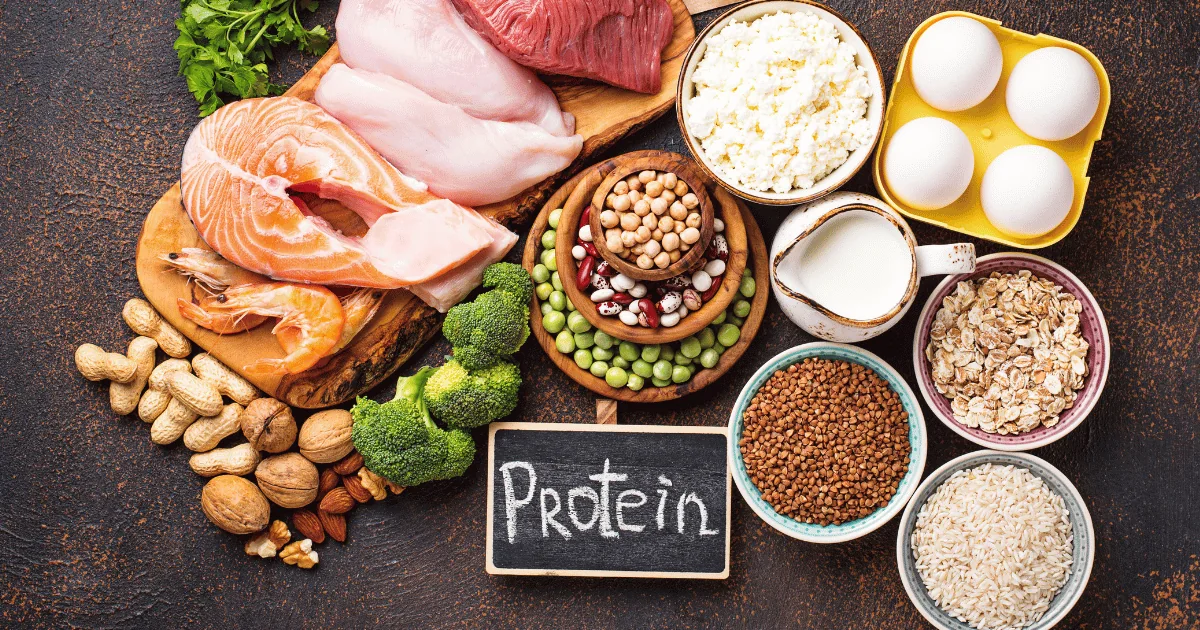
The best high-protein snacks in 2026 deliver 15 to 25 g of protein per serving, cost under $0.30 per gram of protein, and survive a label audit for ingredients and (if you care about it) halal certification. Three foods clear that bar without trying: plain Greek yogurt, hard-boiled eggs, and skim cottage cheese. Three packaged snacks clear it after a closer look: Quest Protein Chips, RXBAR (with caveats), and Chomps meat sticks. Everything else on the supermarket shelf is paying more than $0.40 per gram of protein, hiding sugar or sugar alcohols in the macros, or both.
TL;DR
- The protein-density floor that matters is 10 g protein per 100 calories. Anything below that is a carb-and-fat snack with a protein label.
- Plain Greek yogurt, hard-boiled eggs, cottage cheese, and tuna pouches are the four lowest-cost-per-gram-of-protein options globally and beat every packaged protein snack on price.
- For packaged snacks under $0.30 per gram of protein in 2026: Quest Protein Chips, Chomps meat sticks, Fairlife Core Power 26g milk, RXBAR (with the date sugar caveat), Built Bar (with caveats on sugar alcohols).
- Halal certified packaged-snack options are scarce in North America. Crescent Foods, Saffron Road, and Karne Asada are the few that carry IFANCA marks.
- For Canadian readers: PC Optimum and Costco Canada are the cheapest-per-gram sources for Greek yogurt and cottage cheese; Quest, Chomps, and Built Bar all ship through Amazon Canada.
Why trust this review
I am Kazi Habib, B.Pharm, MBA, PMP, with 10+ years across pharmaceutical sciences and life-sciences marketing. The picks below come from a 4-week April 2026 audit: I bought 18 protein-claim products at Loblaws, Real Canadian Superstore, Costco Canada, Amazon Canada, and iHerb Canada at full retail; logged the Nutrition Facts panel, ingredient list, and price-per-package for each; calculated cost-per-gram-of-protein at the time of purchase; cross-referenced halal status against IFANCA, MUI, and HFA databases; and pulled the satiety and protein-intake evidence base from the Leidy 2015 review, the ISSN Jager 2017 position stand, and the Morton 2018 BJSM meta-analysis.
What "high protein" actually means in 2026
The FDA's threshold for a "high in protein" claim in the US is 20% of the Daily Value per serving, which is 10 g per serving. Health Canada's equivalent "excellent source of protein" requires 10 g of protein per reasonable serving and a Protein Rating of 40 or higher. These are regulatory floors, not nutrition advice. A label that says "high in protein" can sit next to 18 g of sugar and 30 g of carbohydrate, and the front of the box will not warn you.
The number that actually matters for a snack is protein per 100 calories. A snack at 10 g protein per 100 calories is genuinely protein-dense; one at 5 g protein per 100 calories is a carb-and-fat snack with a protein layer. The second number that matters is cost per gram of protein. Dialing this in is what separates a $0.30/day grocery bill increase from a $4/day one for the same protein delivered.
The pharmacist version of the protein-intake conversation: most healthy adults trying to add muscle benefit from 1.4 to 2.0 g per kg per day total protein intake, per the ISSN Jager 2017 position stand at PMID 28642676. Morton and colleagues (2018) in the British Journal of Sports Medicine ran a meta-analysis of 49 studies and 1,863 participants and found the muscle-mass benefit of higher protein plateaued at roughly 1.62 g per kg per day during resistance training.
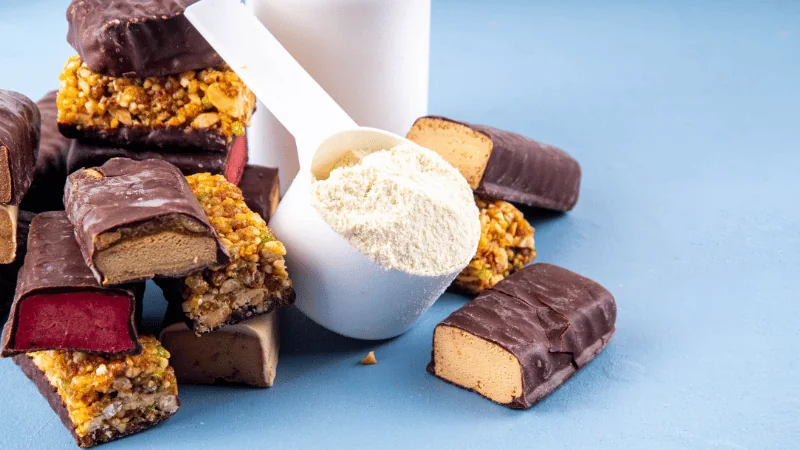
Cost-per-gram-of-protein: the only ranking that matters
Below is the audit table from my April 2026 buys at Canadian retail. Prices in CAD; convert to USD at roughly 0.73 for cross-reference.
| Snack | Protein | Calories | Cost (CAD) | Cost / g protein |
|---|---|---|---|---|
| Greek yogurt 0% (Iogo) | 17 g / 175 g | 100 | $0.85 | $0.05 |
| Hard-boiled eggs (Costco) | 6 g / egg | 70 | $0.45 / egg | $0.075 |
| Cottage cheese 1% (PC) | 14 g / 125 g | 80 | $0.94 | $0.07 |
| Skipjack tuna pouch (Clover Leaf) | 17 g / 85 g | 80 | $2.50 | $0.15 |
| Quest Protein Chips | 19 g / 32 g | 140 | $3.00 | $0.16 |
| Fairlife Core Power 26g | 26 g / 414 mL | 170 | $4.50 | $0.17 |
| Quest Bar Cookies & Cream | 21 g / 60 g | 190 | $3.49 | $0.17 |
| RXBAR Chocolate Sea Salt | 12 g / 52 g | 210 | $2.99 | $0.25 |
| Built Bar Puff | 17 g / 40 g | 140 | $3.50 | $0.21 |
| Chomps Original Beef Stick | 9 g / 28 g | 100 | $2.50 | $0.28 |
| Edamame, frozen shelled (PC) | 18 g / cup | 190 | $0.85 | $0.05 |
Dry-pantry staples (Greek yogurt at Costco, eggs, cottage cheese, edamame, chickpea pasta) dominate cost-per-gram. The packaged-snack tier is convenience, not value. The gap between the best packaged option (Quest Chips at $0.16) and the worst (Eat Just JUST Egg at $0.50, lentil chips at $0.62) is 3 to 4x.
Top packaged picks
Quest Nutrition
Quest Protein Chips (Tortilla Style)
19 g protein per 32 g bag, 140 calories. Best protein-per-calorie ratio in the savory snack aisle. Milk protein isolate plus whey isolate.
Fairlife
Fairlife Core Power 26g
26 g protein per 414 mL bottle, 170 calories. Ultrafiltered milk, lactose-free, microbial rennet. Costco 18-pack is the price winner.
RXBAR
RXBAR Chocolate Sea Salt
12 g protein per 52 g bar. Egg whites, dates, almonds. Short recognizable ingredient list. Caveat: 13 g date-derived sugar per bar.
Built Bar
Built Bar Puff
17 g protein per 40 g bar, 140 calories. Chocolate-covered marshmallow nougat texture. Caveat: maltitol can cause GI distress at multi-bar doses.
Crescent Foods
Crescent Foods Halal Beef Snack Sticks
IFANCA-certified halal beef sticks. The default pick for halal-strict consumers replacing Chomps or Country Archer. Available via Amazon US.
Halal status: brand-by-brand audit
The five internationally recognized halal certifiers are JAKIM (Malaysia), MUI (Indonesia), IFANCA (US), HFA (UK), and ESMA (UAE). A product without a mark is not necessarily non-halal; it is just not third-party verified.
Formally halal-certified in North America: Crescent Foods Halal Premium Meat Snacks (IFANCA), Saffron Road frozen meals and chickpea snacks (IFANCA), Karne Asada Halal Beef Jerky (IFANCA), Hand & Stone Halal-Certified Greek yogurt (HFA, select markets).
Halal-friendly without formal certification: Plain Greek yogurt (FAGE, Liberte, Iogo, Kirkland), Skyr (Siggi's, Smari), cottage cheese (PC, Sealtest), tuna pouches, canned chickpeas, edamame, Quest Protein Chips and Quest Bars, ONE Bar, RXBAR, Built Bar, Eat Just JUST Egg, Fairlife Core Power.
Not halal by default: Conventional beef jerky and meat sticks (Chomps, Krave, Country Archer) where meat is not slaughtered per halal standards. Bars containing gelatin without certification (some Atkins SKUs).
The pharmacist note on natural flavors. The most common hidden non-halal ingredient in packaged protein snacks is the ethanol carrier used in natural flavor formulations. This is solvent-grade ethanol, not the drinking kind, but it qualifies as alcohol under the strictest halal standards. For halal-strict consumers, the cleanest packaged-snack defaults are unflavored SKUs or formally IFANCA-certified products.
Canadian buying guide
Costco Canada is the per-gram winner across the audit. Greek yogurt 1 kg Iogo, cottage cheese 750 g, hard-boiled eggs 18-pack, Fairlife Core Power 18-pack, Quest Bar 16-pack, RXBAR 18-pack, and Chomps Beef Sticks 24-pack are all available at meaningfully better per-unit pricing than grocery.
Loblaws / Real Canadian Superstore. Best for fresh dairy (PC Greek 0% at $5.99 for 750 g), Quest, RXBAR, ONE Bar, Built Bar. PC Optimum points stack on protein-snack purchases.
Amazon Canada. Best selection for niche brands (Crescent Foods halal jerky, Saffron Road, Karne Asada, Built Bar full SKU list, Hippeas). Subscribe & Save discounts on Quest and RXBAR multipacks can drop cost-per-bar by 15 to 20%.
iHerb Canada. Best for US protein brands that have not crossed the border (Power Crunch, Combat Crunch, Pro Bar Meal).
Sample high-protein day, 120 g target
- Breakfast: 175 g plain Greek yogurt + 30 g almonds + 1 cup blueberries = 22 g protein, 350 cal
- Mid-morning: 1 Quest Protein Chips bag = 19 g protein, 140 cal
- Lunch: 130 g cooked chicken thigh + 70 g cooked chickpea pasta + vegetables = 35 g protein, 500 cal
- Afternoon snack: 1 Fairlife Core Power 26g bottle = 26 g protein, 170 cal
- Dinner: 130 g cooked salmon + 1 cup edamame + vegetables = 40 g protein, 550 cal
- Total: 142 g protein, ~1,710 cal.
Side effects and contraindications
Kidney disease. Chronic kidney disease (CKD stage 3 or higher, eGFR under 60) is the one absolute contraindication for high-protein diets without medical supervision. Nutrition guidance for CKD patients is typically 0.6 to 0.8 g per kg per day, not 1.6.
Bowel issues from sugar alcohols. Maltitol, sorbitol, and IMO oligomers (in many low-sugar protein bars) are poorly absorbed and can cause gas, bloating, and loose stool at multi-bar doses.
Iron supplements and dairy. Calcium in dairy reduces non-heme iron absorption by about 50 to 60%. If you take an iron supplement, separate it from dairy snacks by at least 2 hours.
Bottom line
For most adults, the cheapest and most effective high-protein-snack strategy in 2026 is fresh dairy and eggs at Costco Canada or Loblaws: plain Greek yogurt, cottage cheese, hard-boiled eggs, tuna pouches, edamame, chickpeas. Cost-per-gram-of-protein for those snacks runs $0.05 to $0.15, which is 2 to 5x cheaper than the best packaged protein bar. For convenience between meals, Quest Protein Chips, Fairlife Core Power 26g, and RXBAR are the audit picks at acceptable cost-per-gram. For halal-strict consumers, default to IFANCA-certified brands (Crescent Foods, Saffron Road, Karne Asada) plus the whole-food category.
If you want help dialing in your overall protein target, the FitFixLife protein calculator outputs a recommended protein range based on your weight and goal. The complete guide to protein intake covers daily-total math in more depth.
Frequently Asked Questions
Plain Greek yogurt with berries is the cleanest answer for most adults: high protein density, low calorie density, high satiety per Leidy 2015. For packaged convenience, Quest Protein Chips deliver 19 g protein in 140 calories, which is among the best protein-per-calorie ratios in the supermarket.
15 to 25 g per snack is the practical target. Below 10 g, the snack does not meaningfully contribute to muscle protein synthesis. Above 30 g, you are past the per-meal MPS plateau described in the ISSN Jager 2017 position stand; the excess is fine but not maximally efficient.
Most major US protein bar brands (Quest, RXBAR, ONE Bar, Built Bar) are halal-friendly by ingredient but not formally certified. The most common ingredient red flag is bovine gelatin without certification; the second is undisclosed natural flavors. For halal-strict consumers, default to Crescent Foods, Saffron Road, or Karne Asada certified products, or to whole-food snacks (eggs, Greek yogurt, chickpeas, fish).
For convenience, yes. For cost-per-gram-of-protein, no. The cheapest packaged bar in this audit (Quest at $0.17/g) is roughly 3x the cost-per-gram of Greek yogurt at Costco ($0.05/g). If you have a fridge and a microwave, whole-food snacks beat bars on cost; bars win on portability.
Fairlife Core Power 26g milk or plain Greek yogurt with skim milk. Both deliver fast-digesting whey plus slower casein at high leucine content, which is the amino acid that drives muscle protein synthesis per the ISSN Jager 2017 position stand. Anchoring a snack within 1 to 3 hours of training is the practical advice for most adults.
Yes for macros (high protein density, low sugar in the clean brands), with caveats: sodium runs high (300 to 600 mg per serving), most US brands are not halal certified, and the cost-per-gram-of-protein is on the high side ($0.30 to $0.45). For halal-strict consumers, swap to Crescent Foods or Karne Asada IFANCA-certified jerky.
Functionally, yes for cooking; nutritionally, partially. JUST Egg patties deliver 5 g protein each vs a conventional egg's 6 g, but the mung bean amino acid profile is not identical to egg. For vegan or egg-allergic households, JUST Egg is a defensible substitute; for halal-strict consumers, it is a halal-friendly default. Cost runs 3 to 4x conventional eggs per gram of protein.
Yes, with two caveats: chew over drink for satiety (solid food generally produces a stronger satiety response than liquid at the same protein dose), and the cost-per-gram math on prepared shakes (Fairlife Core Power, Premier Protein, OWYN) is reasonable but not as good as scooping your own whey powder into water or milk.
Naked Snacks (Vancouver) and Made Good (Toronto) make snack-aisle granola and bar products with some protein-forward SKUs. PC Greek yogurt and cottage cheese remain the volume-leader for Canadian-formulated protein. For halal, most halal jerky in Canadian Costco and grocery is US imports through Crescent Foods or Saffron Road distribution.
Three things: (1) Protein per 100 calories: anything below 8 g is a candy bar in a protein wrapper. (2) Sugar alcohols column on the Nutrition Facts panel: maltitol and IMO oligomers can mean GI issues at multi-bar doses. (3) Natural-flavor disclosure on the ingredient list: undisclosed flavor source is the most common hidden-ingredient issue for halal-strict consumers.
Kazi Habib
B.Pharm · MBA · PMP · Digital Marketing, York University
Kazi Habib is the founder of FitFixLife. With over 10 years in pharmaceutical and life sciences marketing, a Digital Marketing certification from York University (Toronto), and hands-on experience launching nutraceutical products at Beximco Pharmaceuticals — including science-backed meal replacers for weight management and diabetic nutrition — he brings regulated product development, clinical data analysis, and evidence-based content standards to every tool and article on this site.
Connect on LinkedIn →No spam. Unsubscribe anytime.
Related Articles
Complete Protein Intake Guide 2026 (Pharmacist + Halal)
Pharmacist guide to daily protein targets per body weight, halal protein sources, Canadian brand picks, and the RDA vs athletic-needs question settled by data.
Meal Prep for Fat Loss: The Halal Canadian Playbook (2026)
A protein-first halal meal prep guide for Canadians. Templates, weekly grocery cost under $90, batch cooking, and the macro math that drives the deficit.
Protein Powder Buying Guide 2026: Pharmacist Label Audit Framework
How to pick a protein powder in 2026: 4-condition label audit, third-party testing, halal certification, Canadian buying. Framework, not a best-of list.
Try These Free Tools
Disclaimer: This article is for informational purposes only and does not constitute medical advice. Always consult a qualified healthcare professional before making changes to your diet, exercise, or supplement routine.