Running for Beginners: A Couch to 5K Guide with Pace Targets
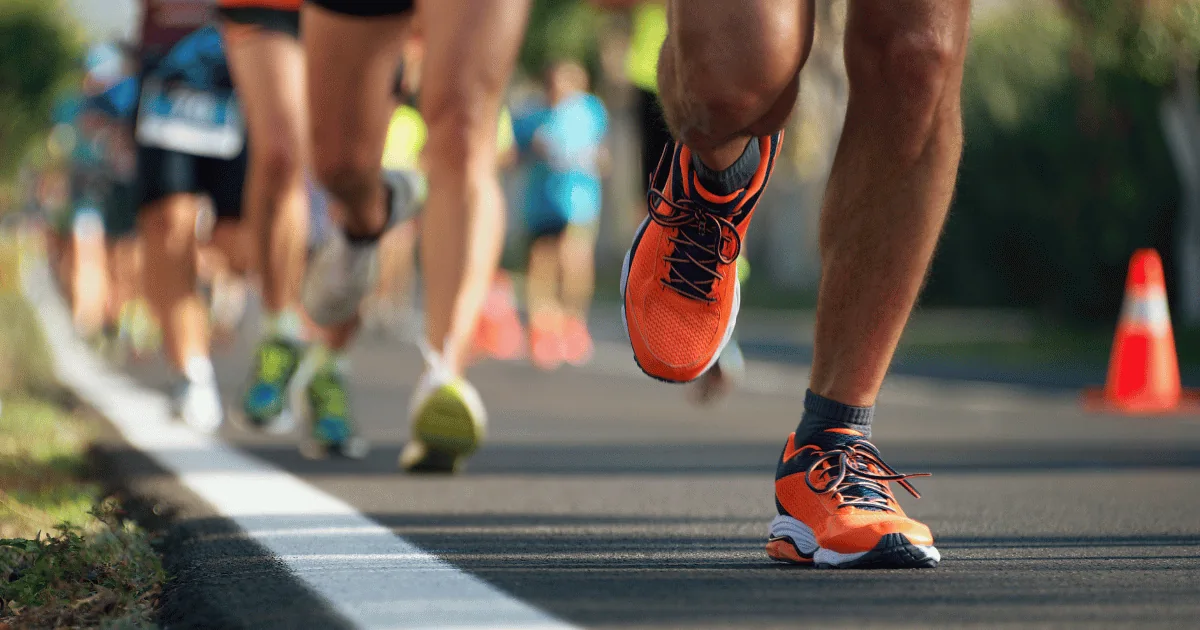
Running is one of the most accessible forms of exercise. You do not need a gym membership, expensive equipment, or a training partner. All you need is a pair of shoes and the willingness to start. But jumping straight into running without a plan is the fastest way to burn out or get injured. The key is staying consistent with fitness by following a structured progression. This guide gives you a structured path from zero running experience to completing your first 5K.
Why Start with a Structured Plan?
The biggest mistake new runners make is doing too much too soon. Your cardiovascular system adapts faster than your tendons, ligaments, and joints. You might feel like you can run farther or faster than your body is ready for, and that mismatch is where overuse injuries like shin splints, runner's knee, and plantar fasciitis come from. A walk-run progression builds your aerobic base while giving your connective tissue time to strengthen.
The 8-Week Couch to 5K Plan
Run three days per week with at least one rest day between sessions. Each week gradually shifts the ratio from mostly walking to mostly running:
| Week | Workout | Total Time |
|---|---|---|
| 1-2 | Alternate 60s run / 90s walk | 20 min |
| 3-4 | Alternate 90s run / 60s walk | 25 min |
| 5-6 | Run 5 min / walk 2 min, repeat | 28 min |
| 7-8 | Continuous running | 30 min |

Pace Targets for Beginners
Forget about speed. Your only goal in the first eight weeks is to build the habit and complete the distance. The right pace for a beginner is one where you can hold a conversation while running. If you are gasping for air, you are going too fast. Most beginners should target a pace between 12 and 15 minutes per mile (7:30 to 9:20 per kilometer). There is no shame in being slower. Consistency beats speed every time. Use our running pace calculator to set realistic targets as you progress.
The talk test: If you can speak in complete sentences while running, your pace is about right. If you can only get out a few words between breaths, slow down. If you can sing, you can push a little harder.
Essential Gear for New Runners
- Running shoes — The single most important investment. Visit a running store for a gait analysis. You do not need the most expensive shoe, but you need one that fits your foot and running style.
- Moisture-wicking clothing — Cotton holds sweat and causes chafing. Synthetic or merino wool fabrics keep you dry and comfortable.
- A simple watch or phone app — You need a way to time your intervals in the early weeks. Any basic timer works. Fancy GPS watches can come later.
Injury Prevention Basics
- Follow the 10% rule — Never increase weekly running volume by more than 10% from the previous week.
- Warm up before every run — Five minutes of brisk walking activates your muscles and increases blood flow to your joints.
- Strengthen your legs — Bodyweight squats, lunges, and calf raises done twice a week reduce injury risk significantly by stabilizing the joints running demands most.
- Listen to your body — Sharp pain, persistent soreness, or swelling are signs to rest, not push through. Missing one run is better than missing a month with an injury. Prioritizing sleep and recovery will help your body adapt faster.
Running burns significant calories — know your numbers
Calculate your daily calorie needs based on your activity level
Try the Calorie CalculatorKazi Habib
B.Pharm · MBA · PMP · Digital Marketing, York University
Kazi Habib is the founder of FitFixLife. With over 10 years in pharmaceutical and life sciences marketing, a Digital Marketing certification from York University (Toronto), and hands-on experience launching nutraceutical products at Beximco Pharmaceuticals — including science-backed meal replacers for weight management and diabetic nutrition — he brings regulated product development, clinical data analysis, and evidence-based content standards to every tool and article on this site.
Connect on LinkedIn →No spam. Unsubscribe anytime.
Related Articles
How to Build a Workout Plan That Actually Works
Learn how to structure a weekly workout plan around your goals. Covers training splits, exercise selection, volume, frequency, and progression for beginners and intermediates.
Electrolytes and Hydration for Athletes: Beyond Just Water
Water alone is not enough for active people. Learn why electrolytes matter, the key minerals to replace, signs of imbalance, and how to hydrate properly for performance.
Try These Free Tools
Disclaimer: This article is for informational purposes only and does not constitute medical advice. Always consult a qualified healthcare professional before making changes to your diet, exercise, or supplement routine.